Iceland was the first country I visited after starting my career as a Software Developer, which made the trip feel even more special. While many travelers choose mainstream destinations or try to cover multiple countries on their first Europe visit, I felt drawn to Iceland instead. Its dramatic landscapes and untouched natural beauty fascinated me, from massive glaciers and powerful waterfalls to the surreal black sand beaches.
A little bit information about Iceland - It is an island nation encircled by a Ring Road, making it one of the world's best destinations for a scenic road trip. The most practical and almost the only way to explore Iceland is by renting a car directly from the airport and driving around the island's rugged coastline. This is exactly what I did as well.
Quick Summary: Iceland Road Trip
June - August
Midnight Sun and fully accessible Ring Road.
Rental Car
Self-driving is the only way to explore properly.
Waterfalls
Skógafoss and Seljalandsfoss are iconic must-visits.
Glacier Lagoons
Boating among icebergs at Fjallsárlón is surreal.
Black Sand
Reynisfjara's basalt columns are world-famous.
Diamond Beach
Ice chunks on volcanic sand look like diamonds.
One of the most common questions I get about Iceland is: "Why did you visit Iceland in the summer?" . The answer is simple: In winter, the northern part of the country often becomes inaccessible, making it hard to complete the full Ring Road, also I wanted to experience the Midnight Sun which is only visible in the summer months. Moreover, the long daylight hours in summer allow for more sightseeing and exploration. These reasons made summer the ideal time for my Iceland trip. If your sole purpose is to experience the northern lights, or if you want to combine the summer itinerary with aurora sightings, feel free to reach out to me as I also create customized itineraries based on your needs. You can find the contact form at the bottom of this itinerary as well in case you want to get in touch with me regarding this itinerary or any feedbacks. Feedbacks will help me to improve this itinerary and make it better for future readers :)
This post contains affiliate links. When you click these links I may get a small commission at no extra cost to you, but it does help me run this website.
This 10-day summer Ring Road itinerary is designed to cover Iceland's most famous spots, including waterfalls, black sand beaches, craters, and volcanic areas. Summer brings Midnight Sun, clear roads, and long sightseeing days, but no Northern Lights. If you travel in spring or autumn, you can combine this itinerary with aurora sightings. The interior of Iceland is dominated by massive glaciers and highlands, which require 4WD vehicles and an additional 3 days to explore safely. This itinerary focuses on the classic Ring Road experience while keeping the schedule practical and beginner-friendly.
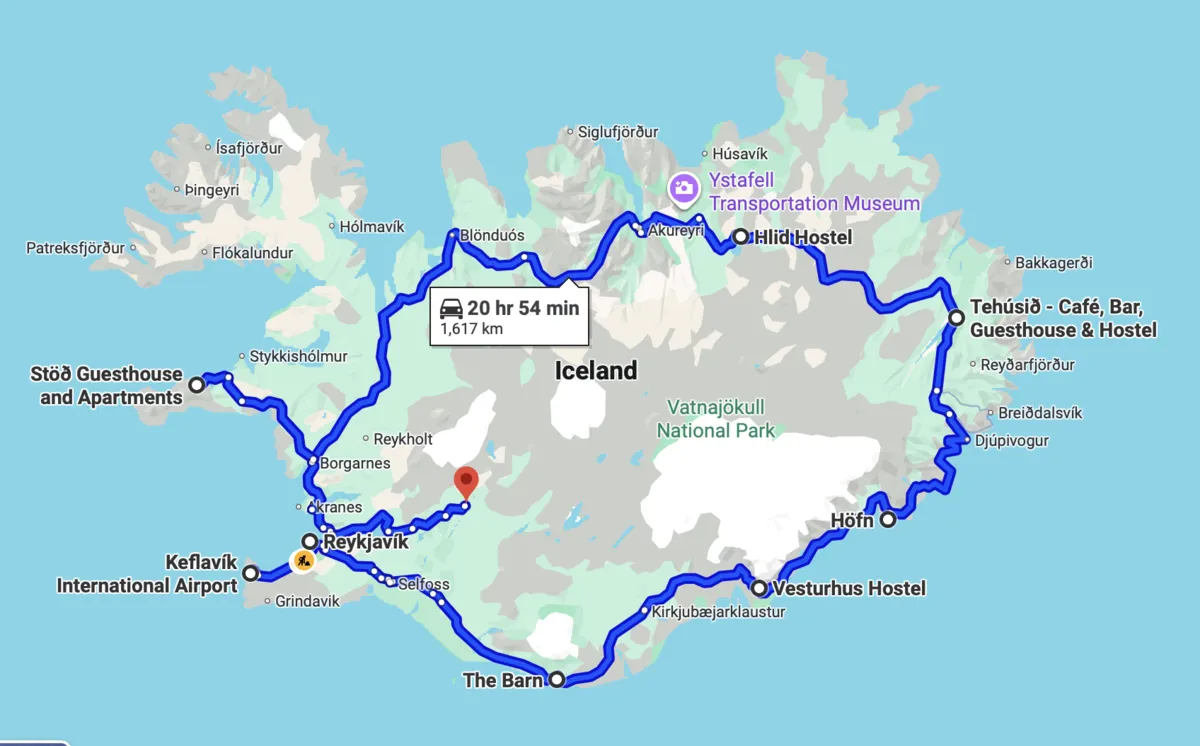
You can find the hotels & the hostels in which we stayed in the Appendix section of this itinerary. I have also pasted the booking links for all the hotels, so that you can easily book them if you want to. Along with this information, you can also find an approximate budget breakdown of our trip in the Appendix section, which can help you to plan your budget for the trip.
Table of Contents
- Best time to Visit Iceland
- How many Days in Iceland?
- Transportation in Iceland
- Additional Details
- Day 1 - Arrival & Blue Lagoon
- Day 2 - South Coast Part 1
- Day 3 - South Coast Part 2
- Day 4 - South Coast Part 3
- Day 5 - East Coast
- Day 6 - North Coast Part 1
- Day 7 - North Coast Part 2
- Day 8 - West Coast & Reykjavik
- Day 9 - Golden Circle
- Day 10 - Departure
- Appendix
- Get In Touch
Best time to Visit Iceland
- Summer (June - August): These are the warmest and brightest months with nearly 24 hours of daylight, ideal for road trips, waterfalls, puffins, and hiking. Weather is mild, all major roads are open, and it's the best time for exploring the Highlands. Also the busiest and most expensive season.
- Shoulder Seasons (April - May & September - October): A balanced mix of milder crowds, lower prices, and diverse experiences. You can catch early or late Northern Lights, enjoy decent daylight hours, and experience landscapes transitioning between seasons. Weather can be unpredictable but great for photographers.
- Winter (November - March): Cold, snowy, and magical with long nights perfect for Northern Lights. Best time for ice caves, glaciers, and winter adventure tours. Some roads close due to snow, days are short, but the dramatic landscapes feel surreal.
How Many Days Do You Need in Iceland?
- 6 Days: Best for winter trips when daylight is limited. You'll comfortably cover the South Coast, a few volcanic areas, and have good chances of seeing the Northern Lights.
- 10 Days: The ideal amount of time for most travelers. Ten days lets you complete the full Ring Road at a relaxed pace while enjoying waterfalls, black sand beaches, geothermal areas, and coastal towns. You'll miss some remote highland and glacier regions, but you still get a complete experience.
- 16 Days: Perfect for a deep and immersive trip. With two weeks or more, you can explore everything the Ring Road offers + venture into the Northern Highlands, glacier regions, volcano routes, and lesser-known corners of Iceland.
Transportation in Iceland
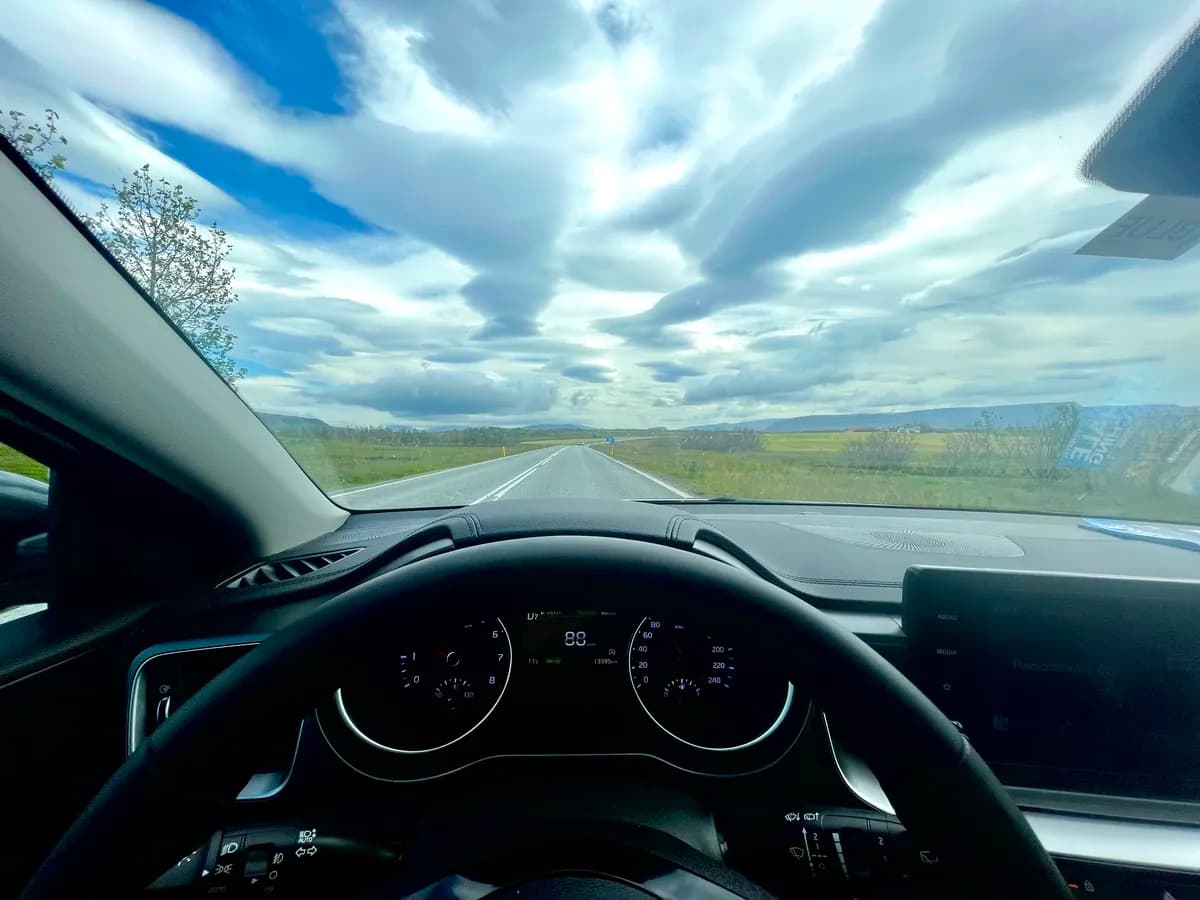
The best and most practical way to explore Iceland is by renting a car. The entire Ring Road and most major attractions are accessible only by road, making self-driving the ideal option for flexibility and comfort.
Recommended Rental Companies:I went with Lotus car rental, and would highly recommend them. This is simply because of the smooth check in they offered right at the airport along with good prices. The rental cars are in very good condition and we did not face any problem at all in our road trip.
Important things to Know:- Read the Terms & Conditions carefully — especially regarding gravel protection, sand/ash insurance, and wind damage, which are surprisingly common in Iceland.
- Always take full insurance. Weather and road conditions can change quickly, and having comprehensive coverage saves you from expensive repairs.
- Driving License Validity. Check before hand if your driving license is valid in Iceland or not. If it's not, then you will have to apply for International Driving Permit. Also, strictly follow the rules, else you will end up paying a hefty penalty.
- Approximate Cost: For a 10-day summer road trip. expect to spend around 160,000 ISK including basic insurance for a 2WD. Prices may vary based on car type, season, and other insurance add-ons.
- Public transport: Iceland has a very limited public transport network, especially outside Reykjavík. Buses don't cover most attractions, and timings are infrequent. For a multi-day itinerary or Ring Road trip, public transport is simply not practical.
Additional Details
- Visa Details: If Iceland is not visa free on your passport, then you will have to apply for Schengen visa. This generally requires a confirmed return flight ticket along with hotel bookings, and car rentals.
- Currency: The currency of Iceland is Icelandic Krona (ISK). Although Iceland is in Europe, the Euro does NOT work here. This is because Iceland is not a part of the European Union. Although you might find some places which accept Euros or USD, but you will get much better rates in ISK. Iceland is very card-friendly, and I did not have to use cash at all. In fact, I did not carry any cash at all, and I never saw a single note of their currency. Although I always suggest to carry some ISK for emergency situations.
Let us now dive into the thing you've been waiting for. The itinerary.
Day 1 - Arrival & Blue Lagoon
Iceland lies a bit far from most parts of the world, and so getting there will most likely be a long journey of a few hours and multiple stops. Due to this, I recommend to keep the first day pretty relaxing. After landing at Keflavik International Airport, I suggest to pick up your rental car right at the airport itself. This saves you time and hassle of taking a shuttle to the city first.
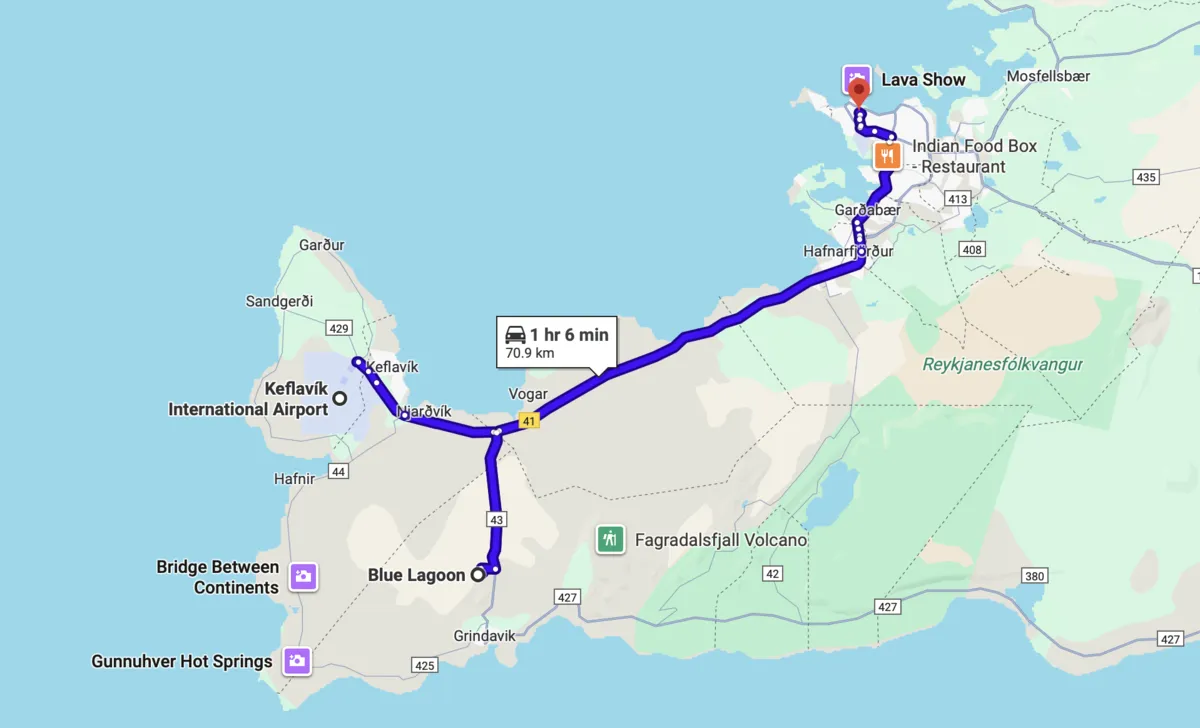
After getting your car, you can either head directly to the Blue Lagoon, which is just a 20-minute drive from the airport, or check in at your hotel, and then come to the blue lagoon. Our flight landed in the evening, and still we did the latter as our hotel was also nearby, and we wanted to unpack, freshen up a bit before heading to the lagoon. The best part of travelling in the summer season is that attractions are open till late. We went to the blue lagoon around 10 PM, and it was still open and bright outside.
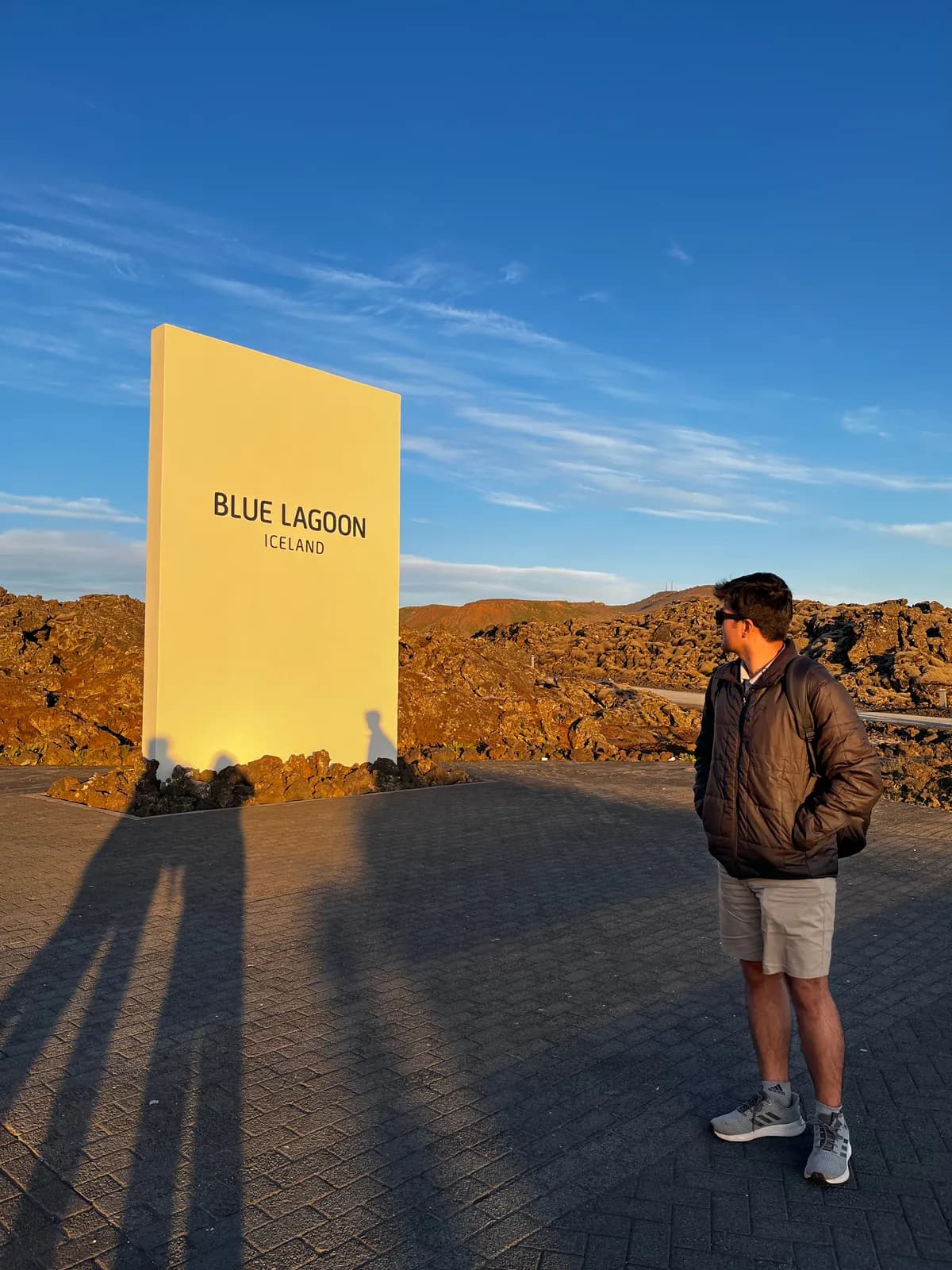
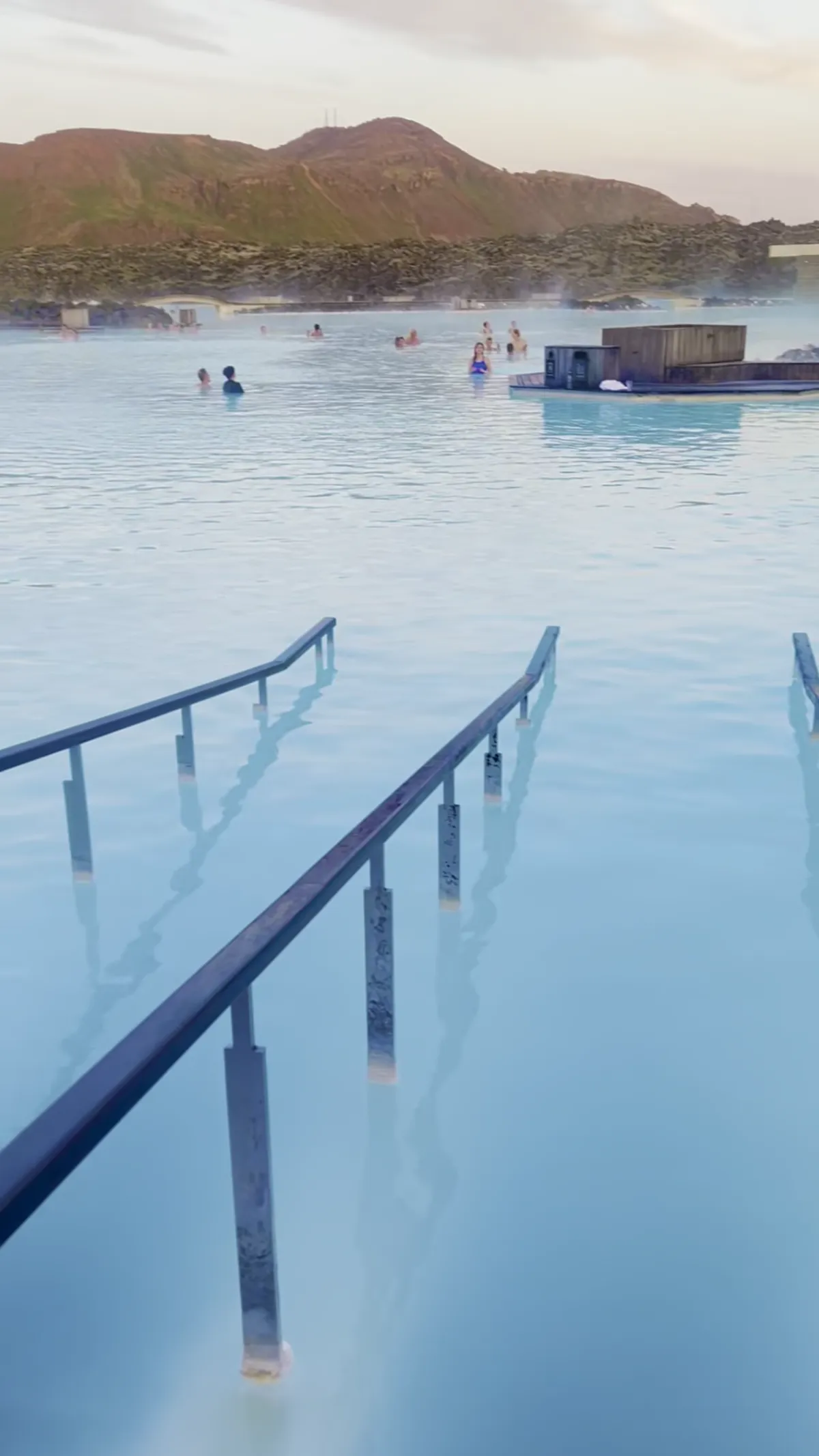
The Blue Lagoon is Iceland's most famous geothermal spa, known for its milky blue waters rich in minerals like silica and sulfur. It's the perfect way to relax after a long flight and ease into your Iceland adventure. Make sure to book your Blue Lagoon tickets in advance, as it can get quite busy, especially during peak tourist seasons.
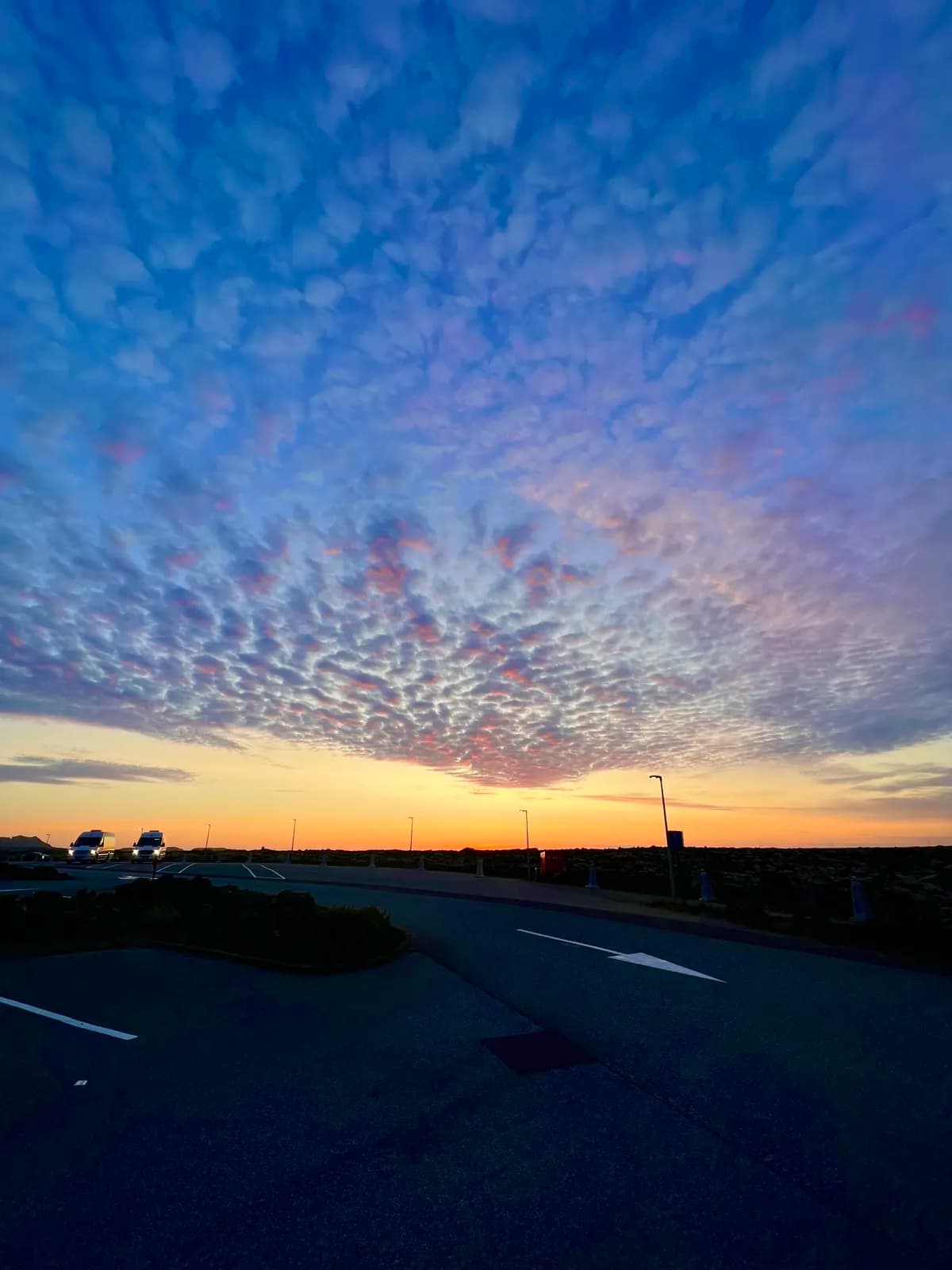
As soon as we entered the lagoon, we were greeted by an earthquake, and by the look on the faces of the staff there, we realised it is a very normal thing to happen in Iceland. After the initial shock, we enjoyed our time in the warm waters of the lagoon, soaking in the surreal atmosphere created by the surrounding lava fields and the midnight sun.
Day 2 - South Coast Part 1
From this day onwards, our actual iceland ring road trip starts. Some people prefer to start with the Golden circle, we decided to it towards the end of the trip. We started our journey from the South Coast, which is one of the most scenic routes in Iceland. The drive takes you past waterfalls, black sand beaches, and dramatic landscapes. The best part about this day is that the drive itself is about 3.5 hours only, leaving you with plenty of time to explore the attractions. All the attractions we visited on this day are located very close to each other, making it easy to cover them all in a single day.
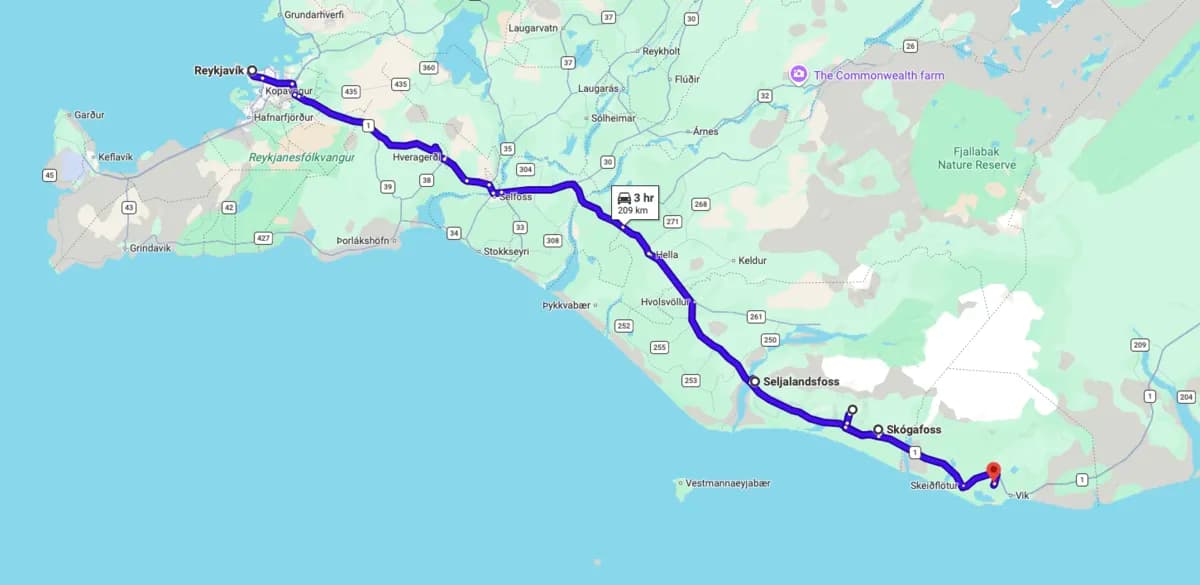
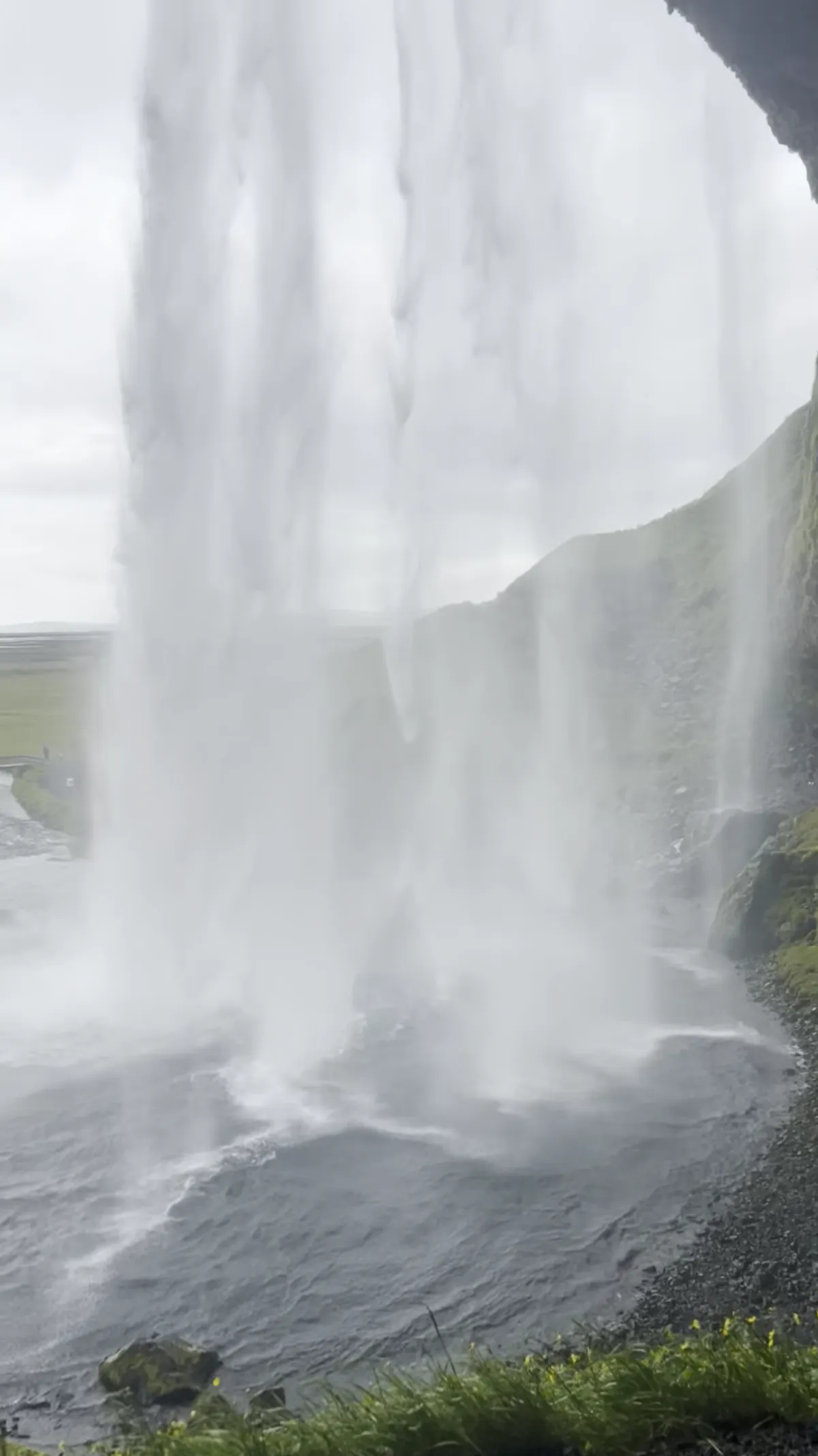
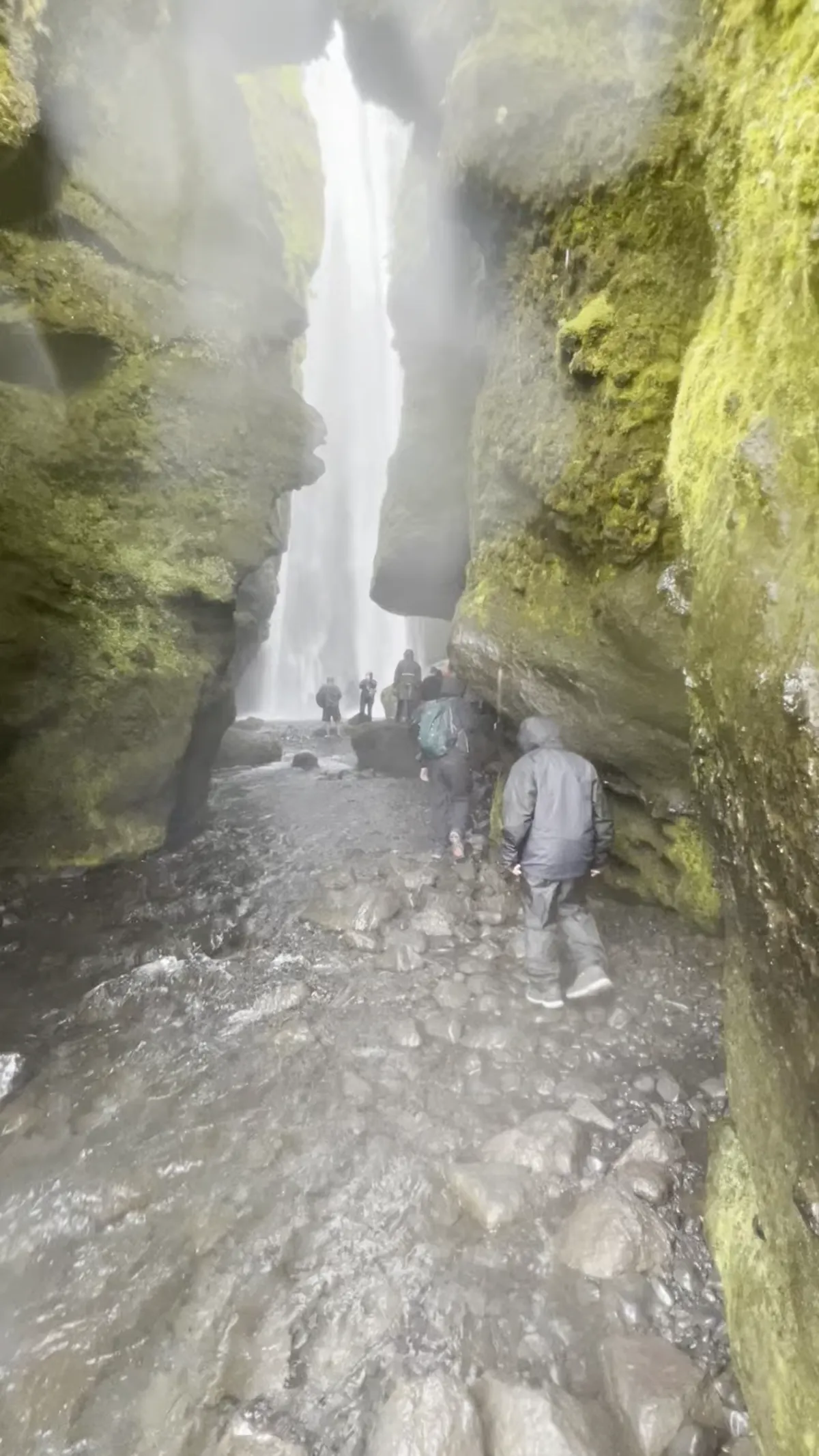
Start the day at Seljalandsfoss, one of the most iconic waterfalls on Iceland's South Coast. What makes it unique is the walking path behind the waterfall, allowing you to experience it from a completely different perspective. Visiting during sunset or golden hour enhances the experience, as warm light filters through the falling water. Just a short walk away lies Gljúfrabúi, a hidden waterfall tucked inside a narrow canyon, offering a more secluded and atmospheric stop.
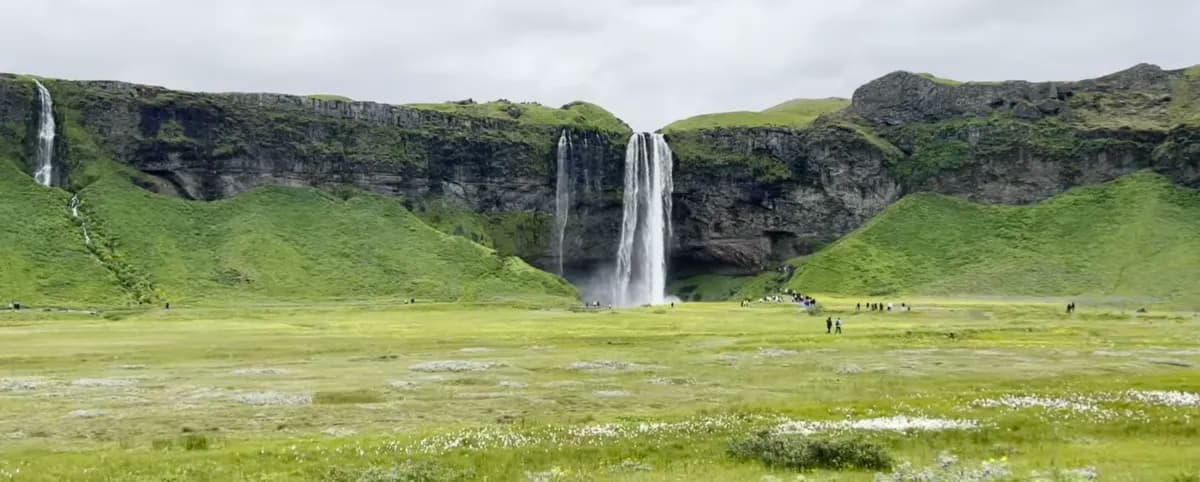
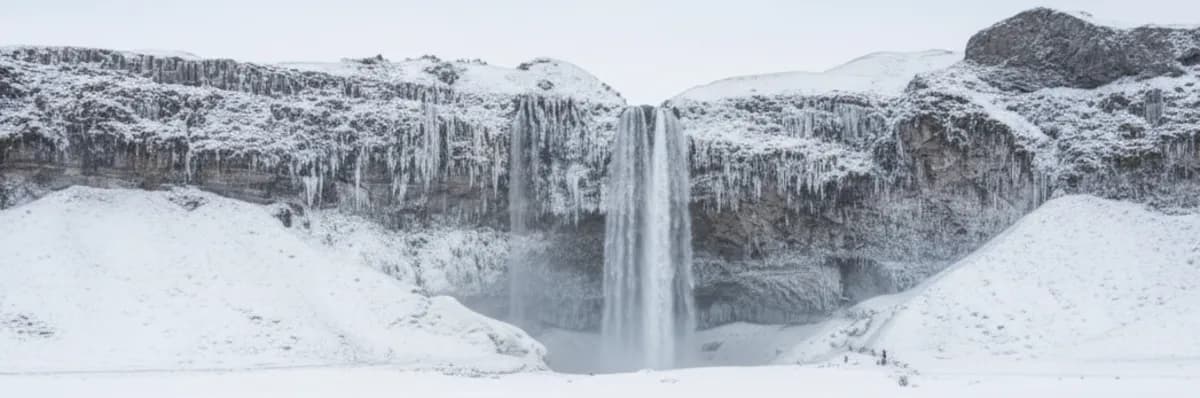
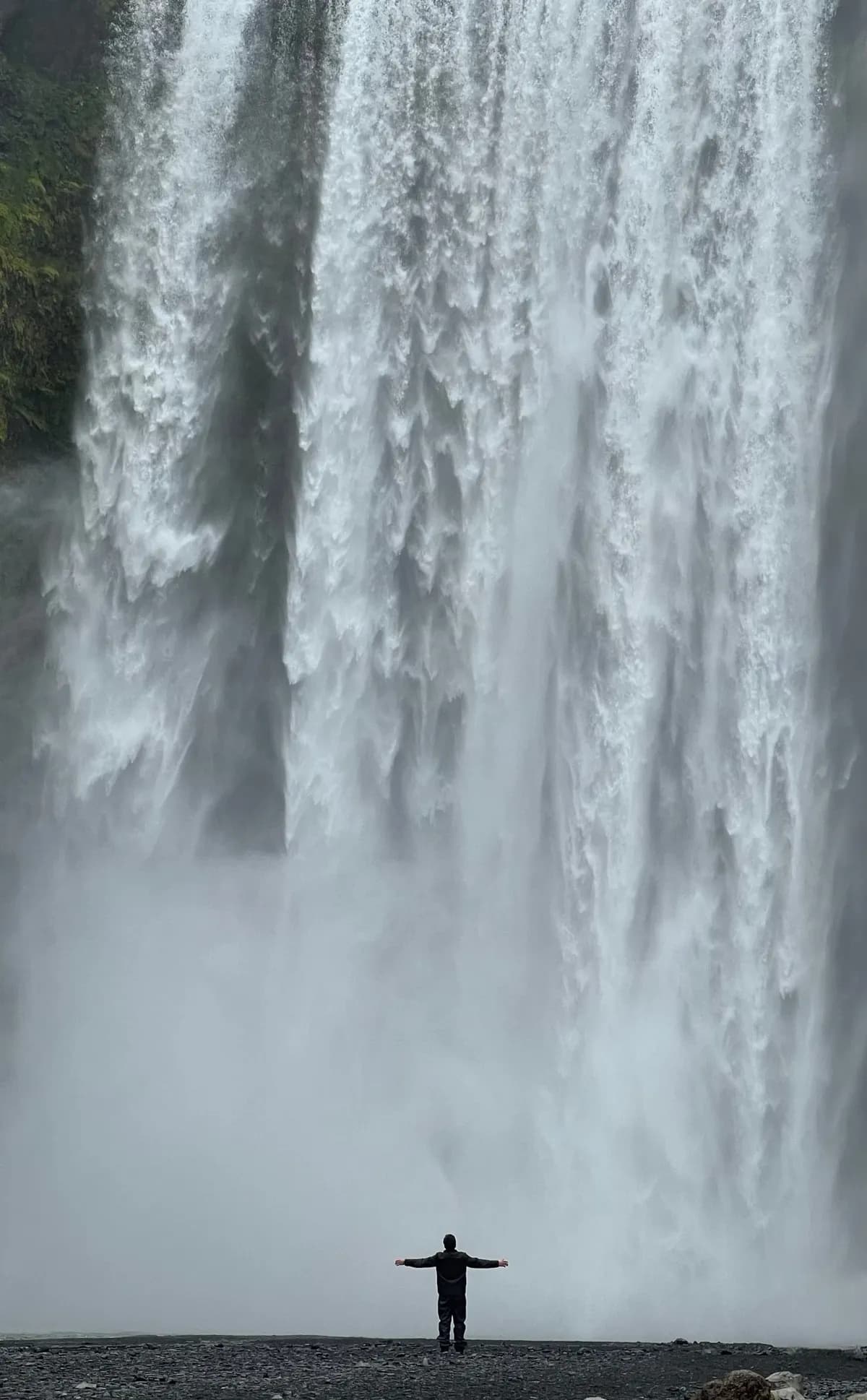
Continue towards Skógafoss, one of Iceland's largest and most powerful waterfalls, measuring approximately 25 meters wide with a 60-meter drop. Visitors can walk close to the base to feel the mist or climb the staircase to the top for sweeping views of the South Coast. During summer, vibrant purple lupine flowers often bloom in the foreground, creating excellent photography opportunities. The waterfall has also appeared in several films and television series, adding to its iconic status.
End the day with a visit to Seljavallalaug Swimming Pool, one of Iceland's oldest geothermal pools. Located in a scenic valley and accessible via a 15-20 minute walk from the parking area, the pool offers naturally warm water surrounded by dramatic mountain landscapes — a relaxing way to unwind after a full day of sightseeing.
For the night, I recommend staying in or near Vík, a small coastal town known for its black sand beaches and striking rock formations. Its location makes it an ideal base for continuing the South Coast itinerary the following day.
Day 3 - South Coast Part 2
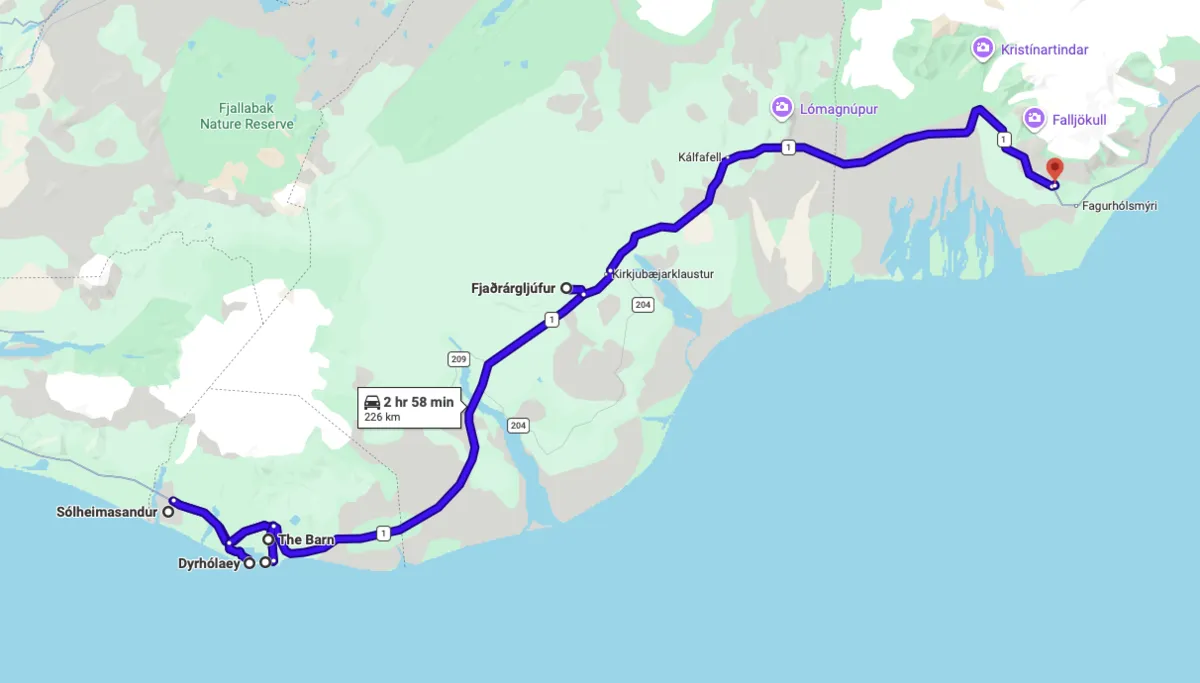
Day 3 focuses on some of the most dramatic landscapes along Iceland's South Coast. The route covers Sólheimasandur Plane Wreck, Reynisfjara Black Sand Beach, Dyrhólaey, and Fjaðrárgljúfur Canyon. The total driving time is approximately 3 hours, allowing plenty of time to explore each stop at a comfortable pace.
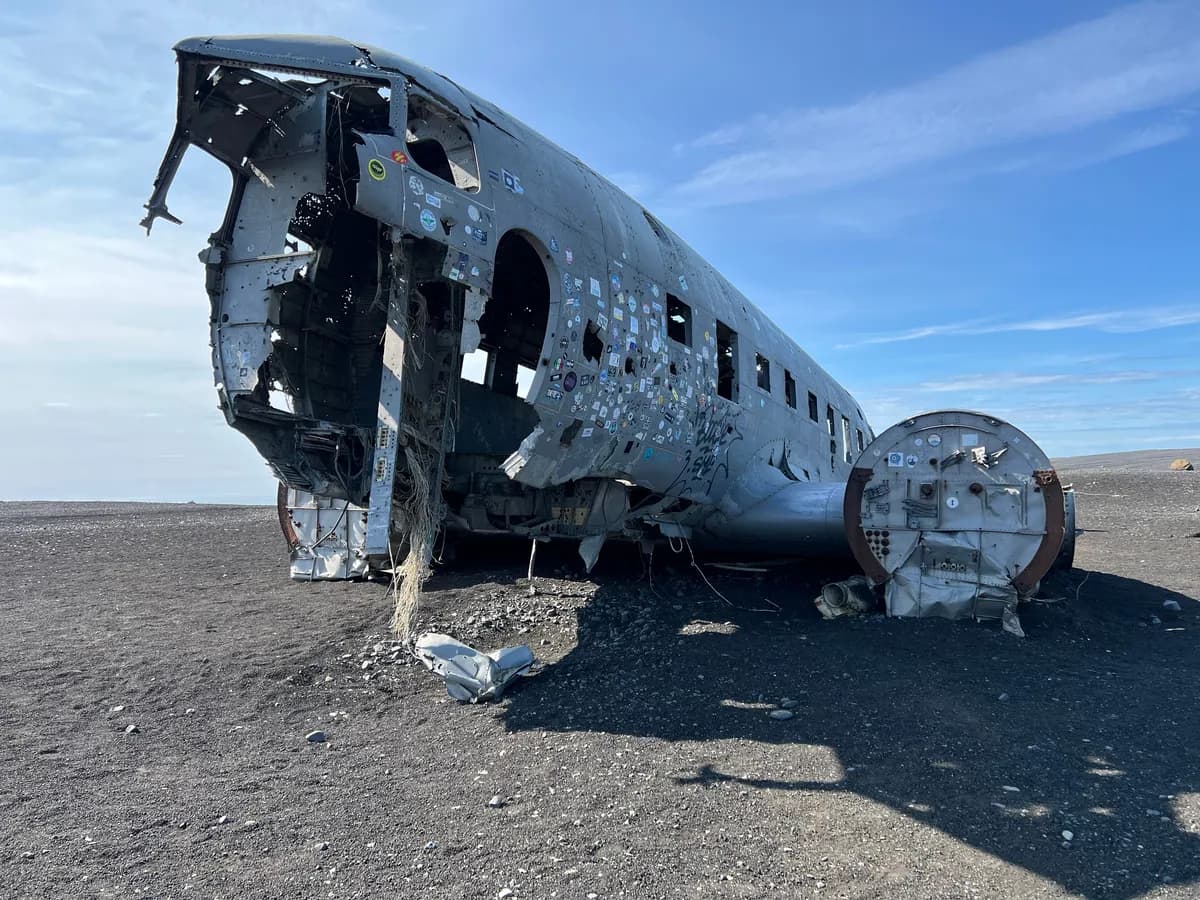
Start the morning at Sólheimasandur, the site of the famous 1973 US Navy DC-3 plane crash. The aircraft ran out of fuel and crash-landed on the black sand beach, and the wreckage remains in place today. The walk from the parking area to the plane wreck takes approximately 45 minutes each way across flat terrain. Shuttle buses are also available for those who prefer not to walk.
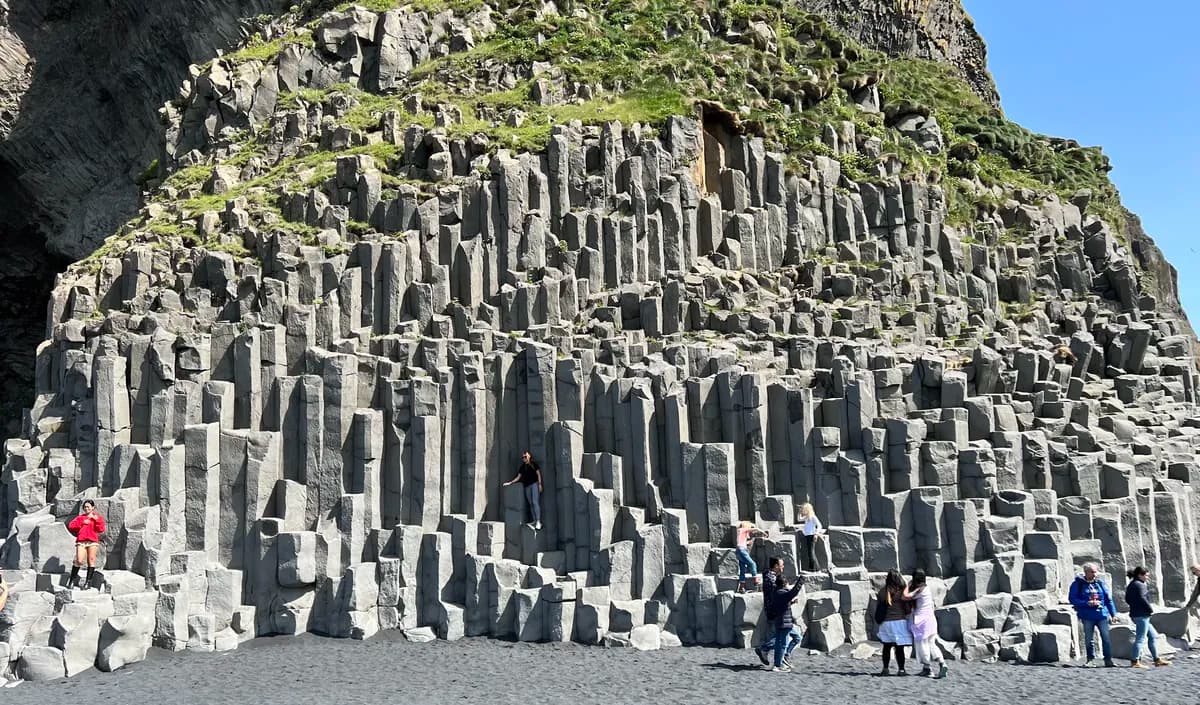
Next is Reynisfjara Beach, one of Iceland's most iconic black sand beaches. The striking basalt columns, powerful Atlantic waves, and sea stacks rising offshore create a dramatic coastal landscape. Exercise caution here, as sneaker waves can be strong and unpredictable — always maintain a safe distance from the shoreline.
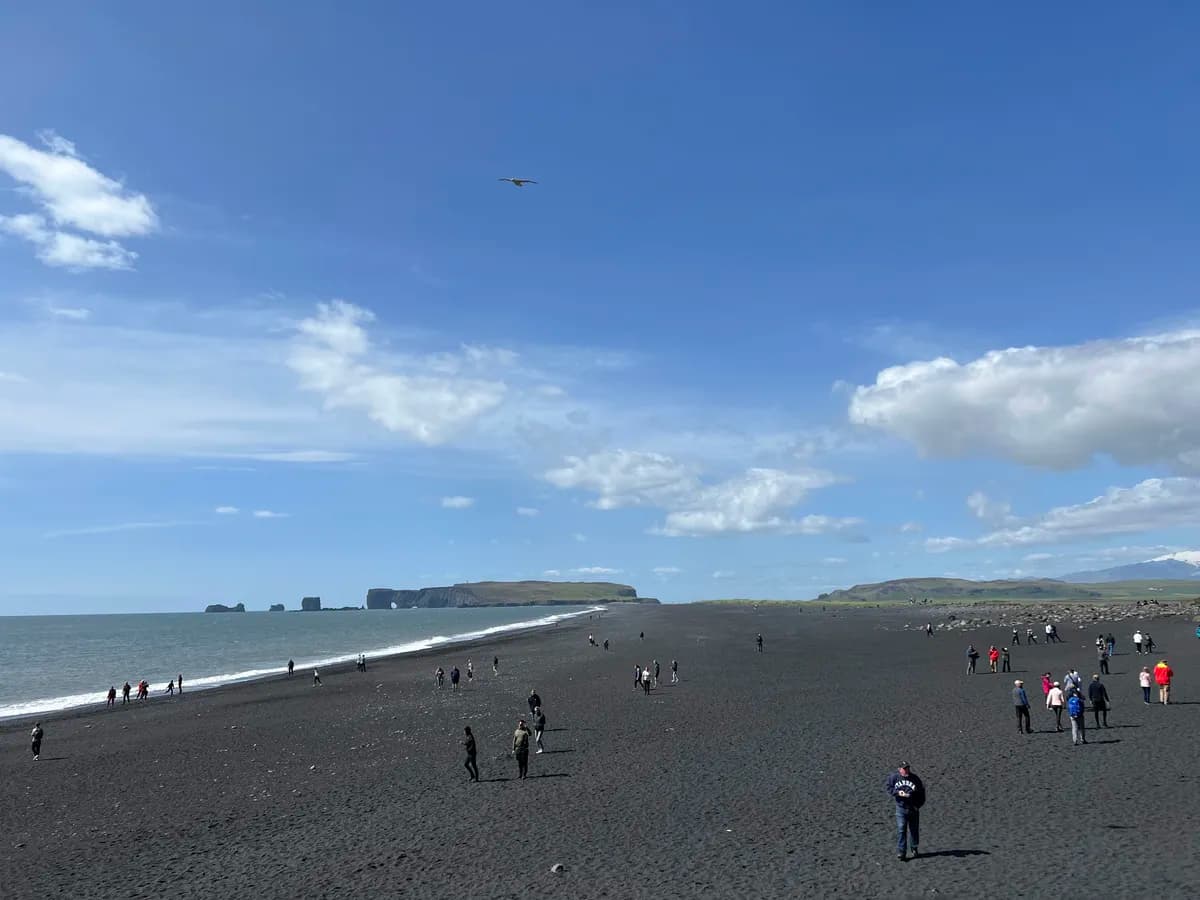
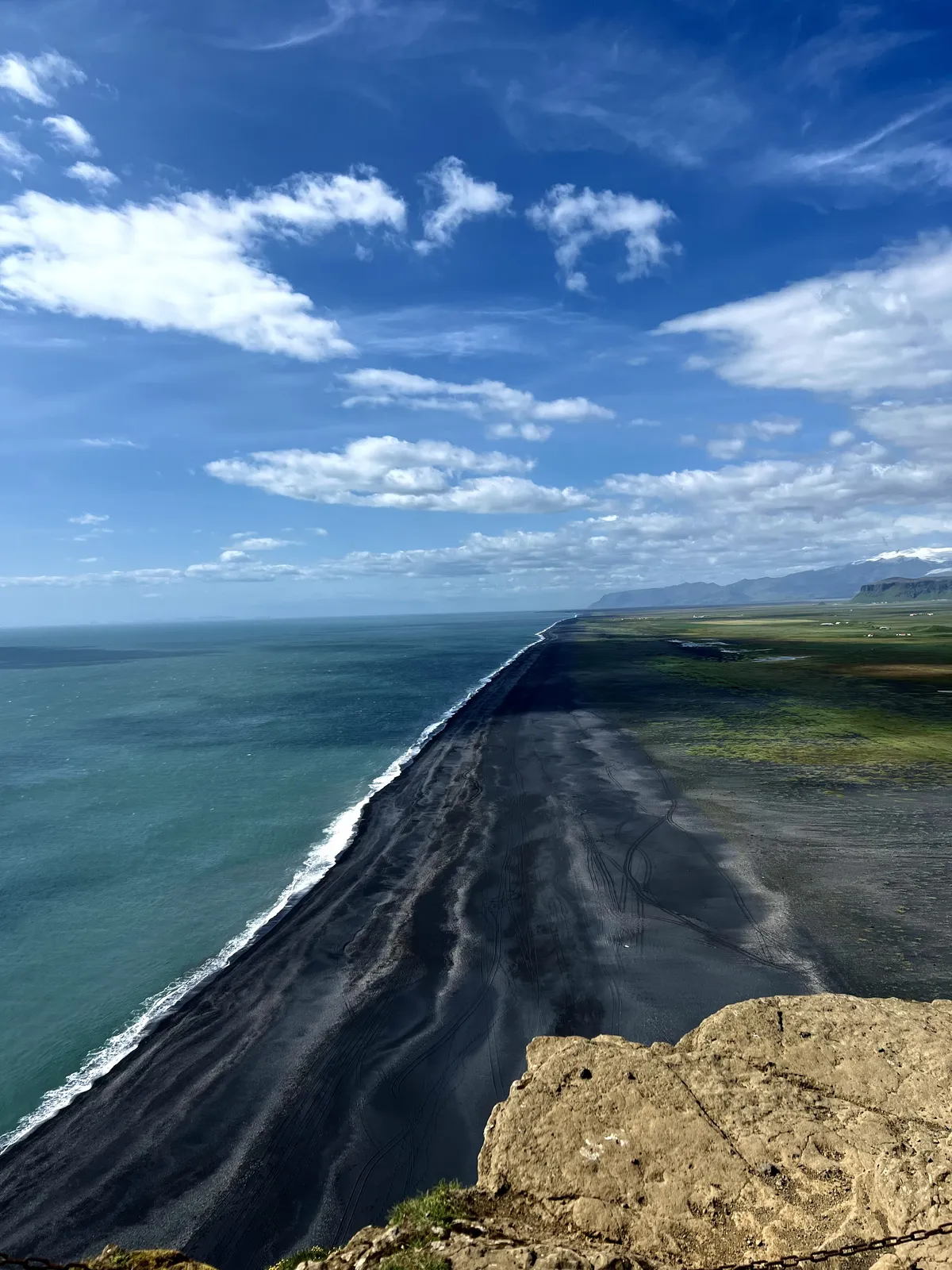
Next, visit Dyrhólaey, a dramatic promontory offering panoramic views of Iceland's South Coast. From the viewpoints, you can see vast stretches of black sand beaches, the iconic sea arch, and — on clear days — Reynisfjara from above.
End the day at Fjaðrárgljúfur Canyon, a winding canyon carved by glacial meltwater over thousands of years. Moss-covered cliffs and a turquoise river running through the valley create one of the most photogenic landscapes in Iceland. A short walk along marked trails leads to multiple scenic viewpoints.
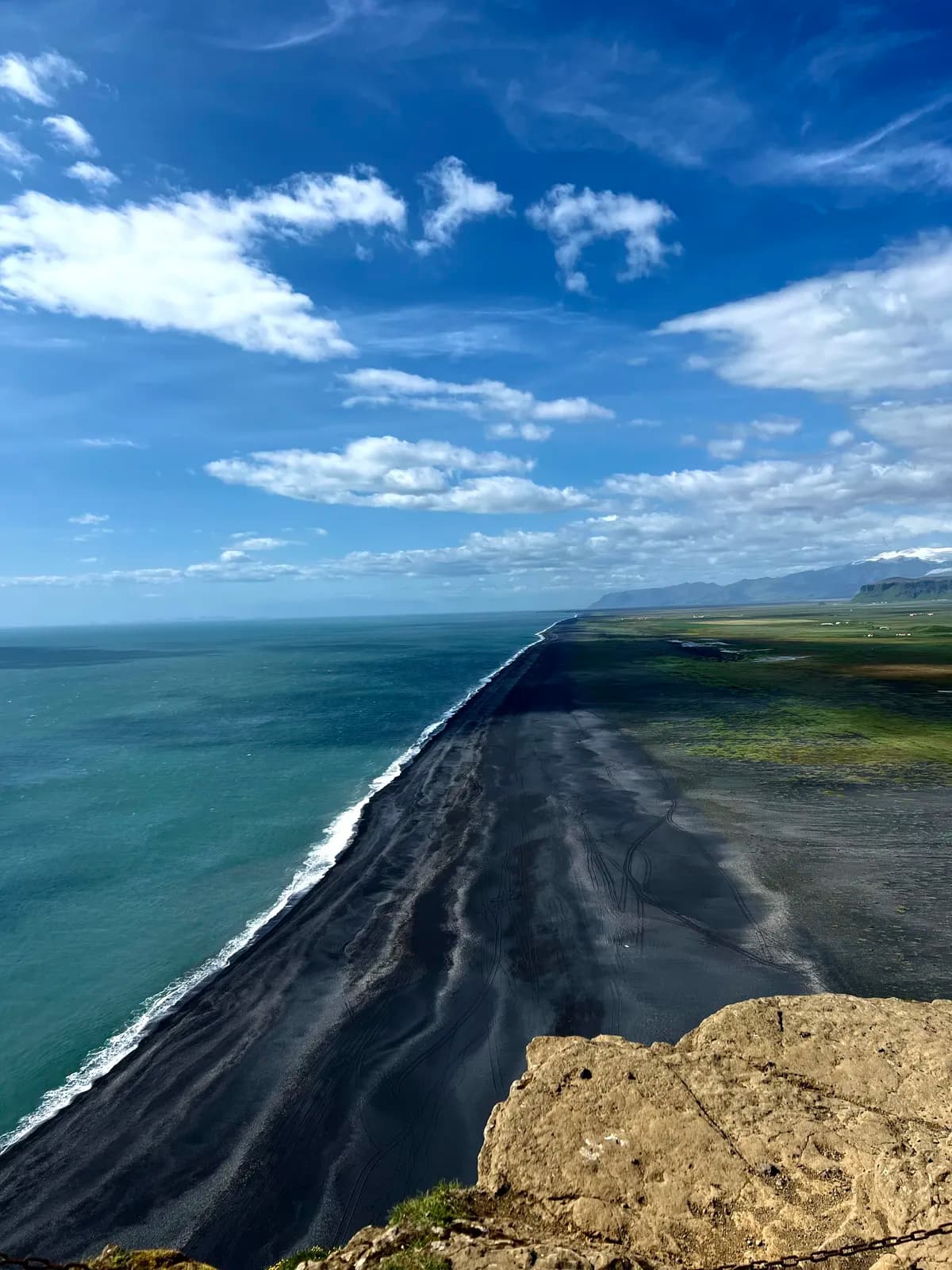
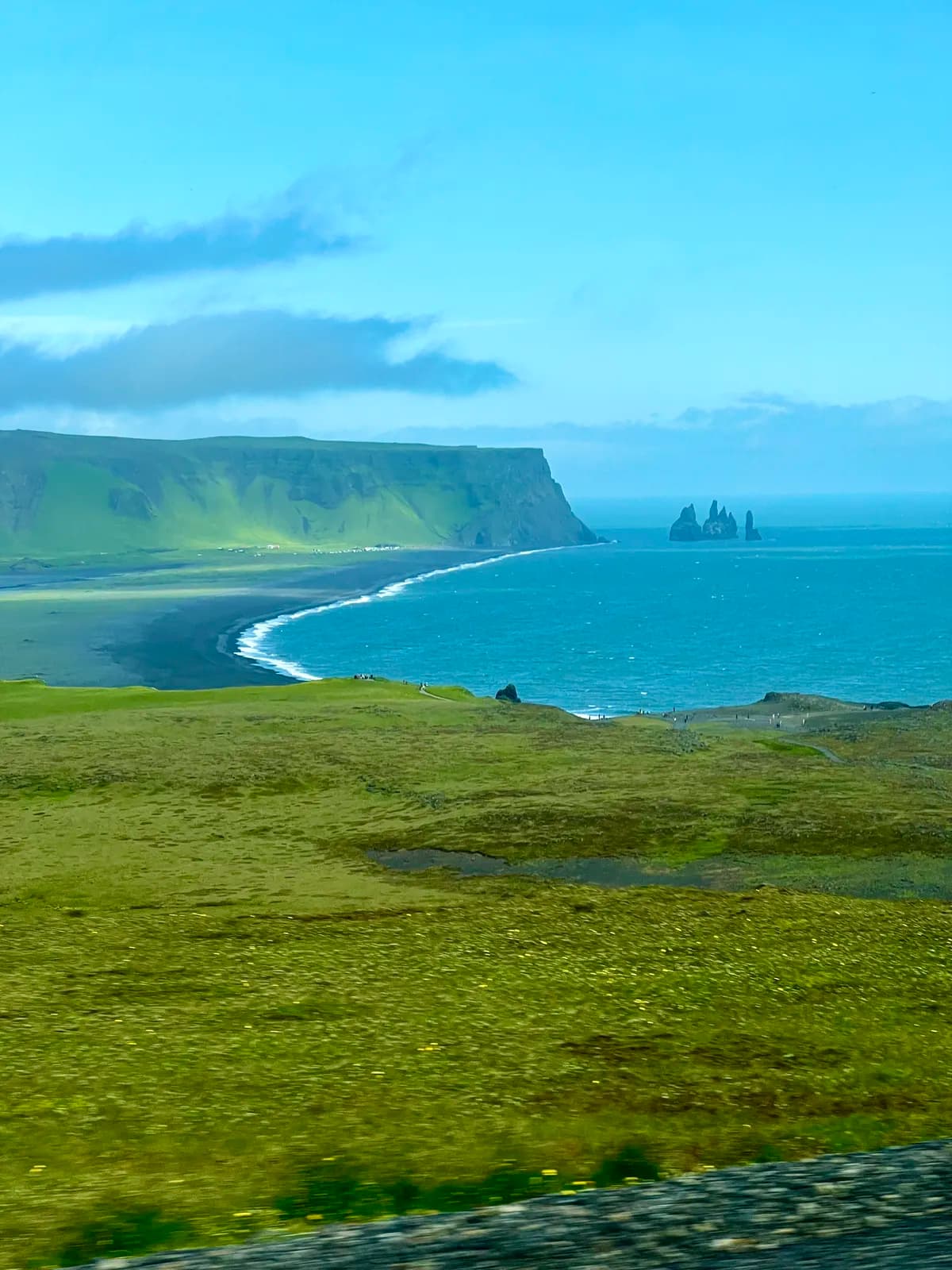
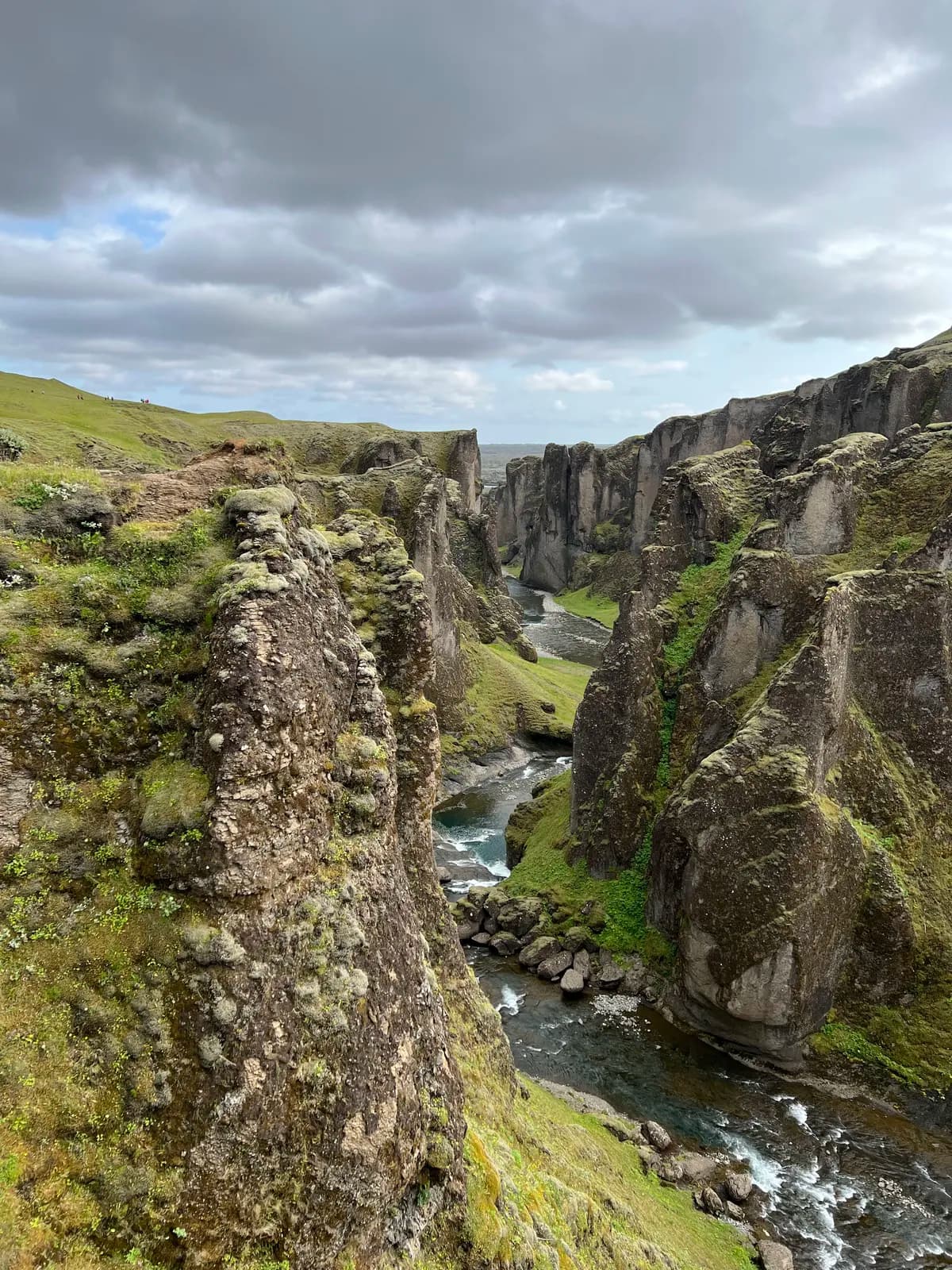
Stay overnight in or near Kirkjubæjarklaustur (yes, names are hard to pronounce here in Iceland!), a small town that serves as a convenient base for continuing the Ring Road itinerary the next day.
Day 4 - South Coast Part 3
Day 4 focuses on glacier landscapes and coastal ice formations, with two major highlights: boating in Fjallsárlón Glacier Lagoonand visiting Diamond Beach. The total driving time is approximately 2 hours, allowing ample time to fully experience the lagoon without rushing.
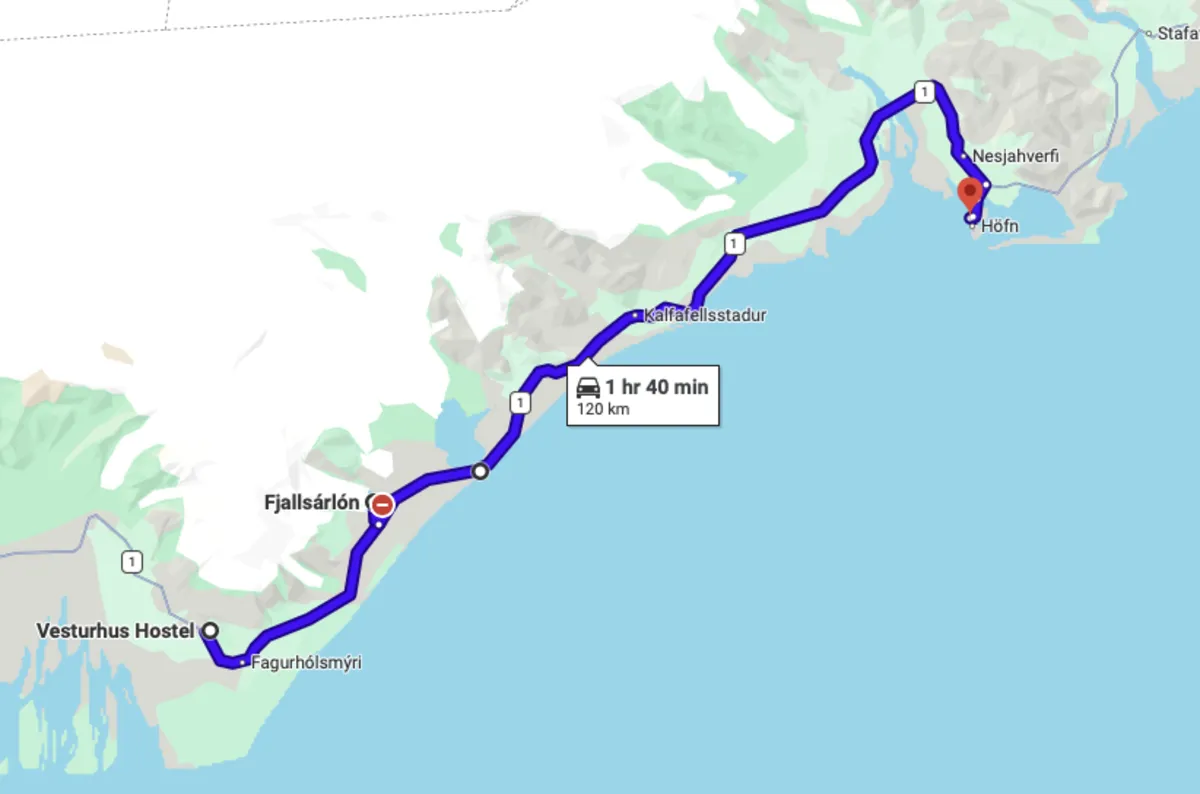
Begin the day at Fjallsárlón Glacier Lagoon, a quieter alternative to nearby Jökulsárlón. The lagoon is filled with floating icebergs that have calved from the surrounding glacier, creating a serene and dramatic landscape. A guided boat tour allows visitors to get up close to the ice formations and better appreciate the scale of the glacier.
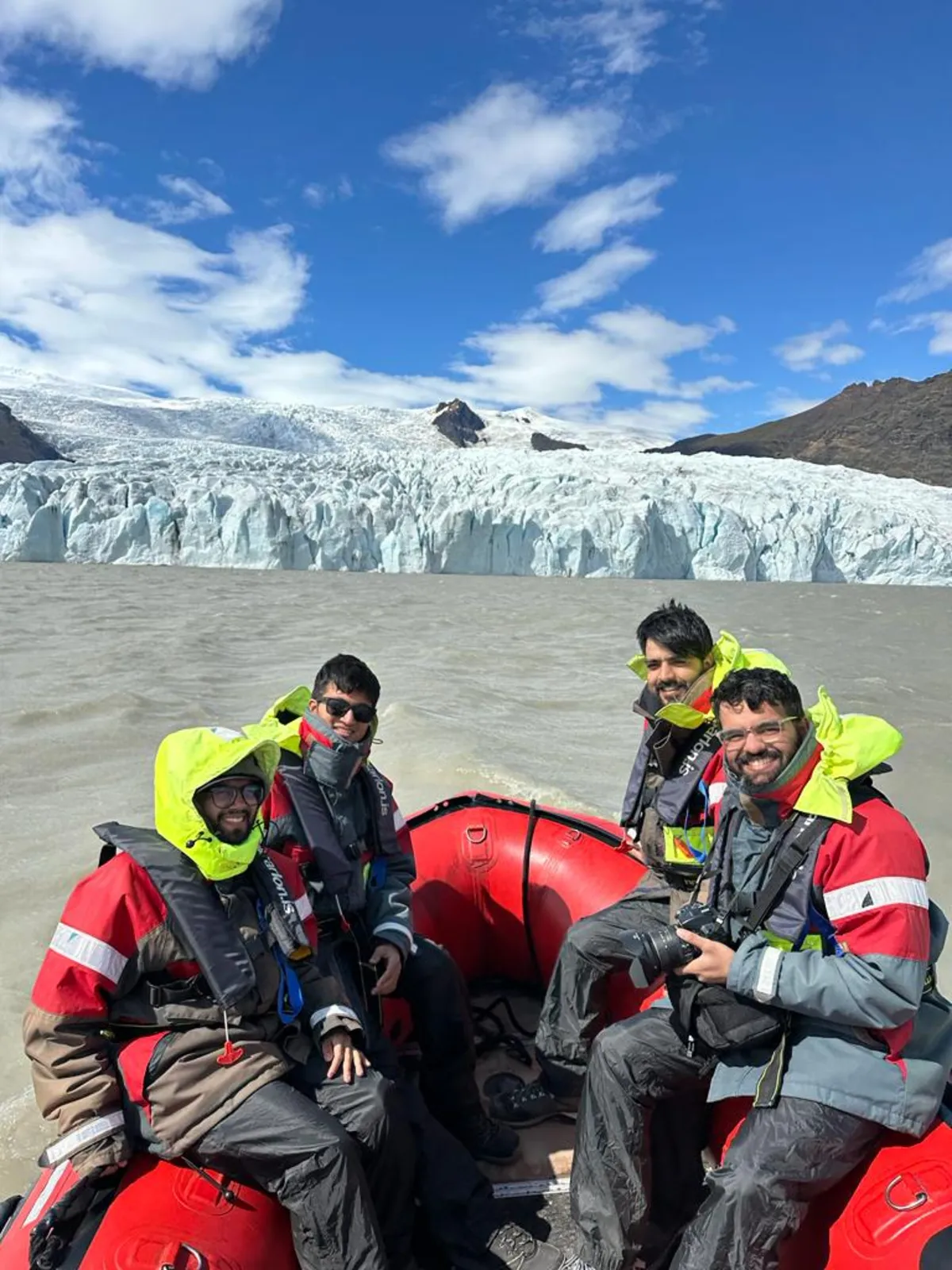
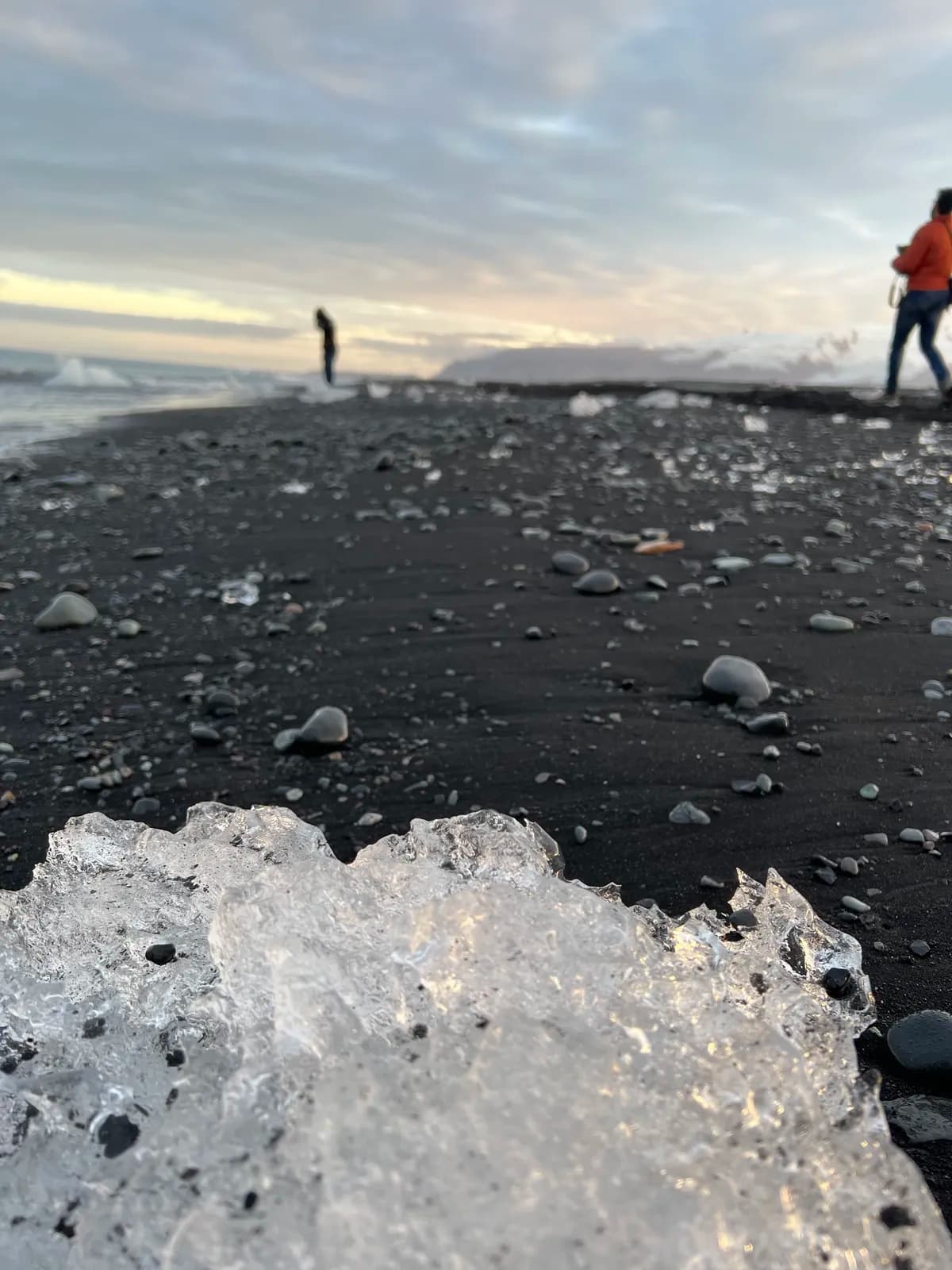
A short drive away lies Diamond Beach, located across from Jökulsárlón Glacier Lagoon. Here, chunks of ice wash ashore onto the black sand beach, creating a striking contrast between dark volcanic sand and crystal-clear ice. Sunrise and sunset are particularly rewarding times to visit, as the low light enhances the glow and textures of the ice.
Stay overnight in or near Höfn, which serves as a convenient base for continuing the Ring Road journey toward East Iceland.
Day 5 - East Coast
The East Coast of Iceland is often overlooked, yet it features some of the country's most dramatic and unspoiled landscapes such as scenic coastal drives, steep mountains, winding fjords, and quiet fishing villages. Today's route includes the Viking Village near Vestrahorn and the striking Hengifoss Waterfall, with a total driving time of approximately 3 hours.
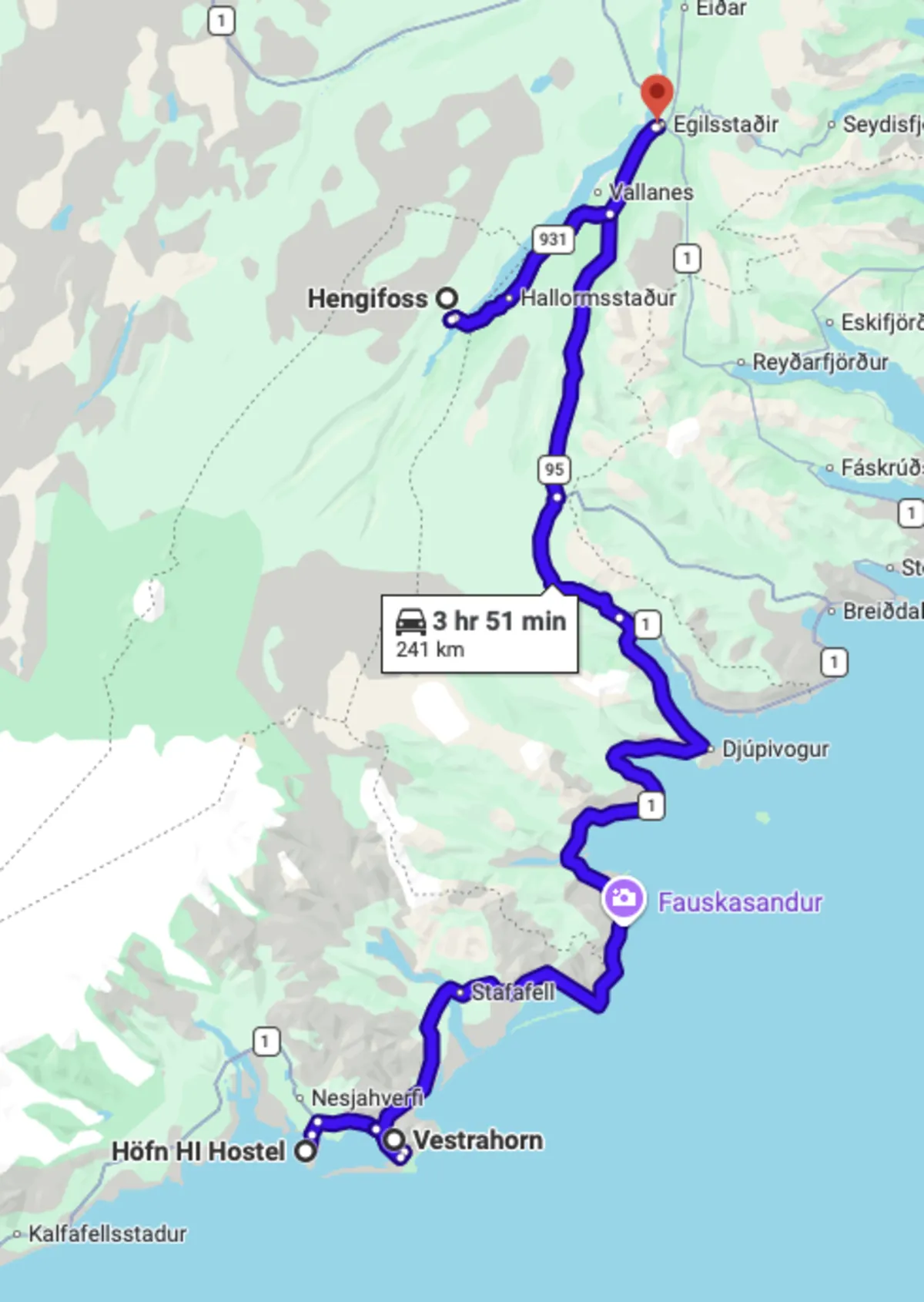
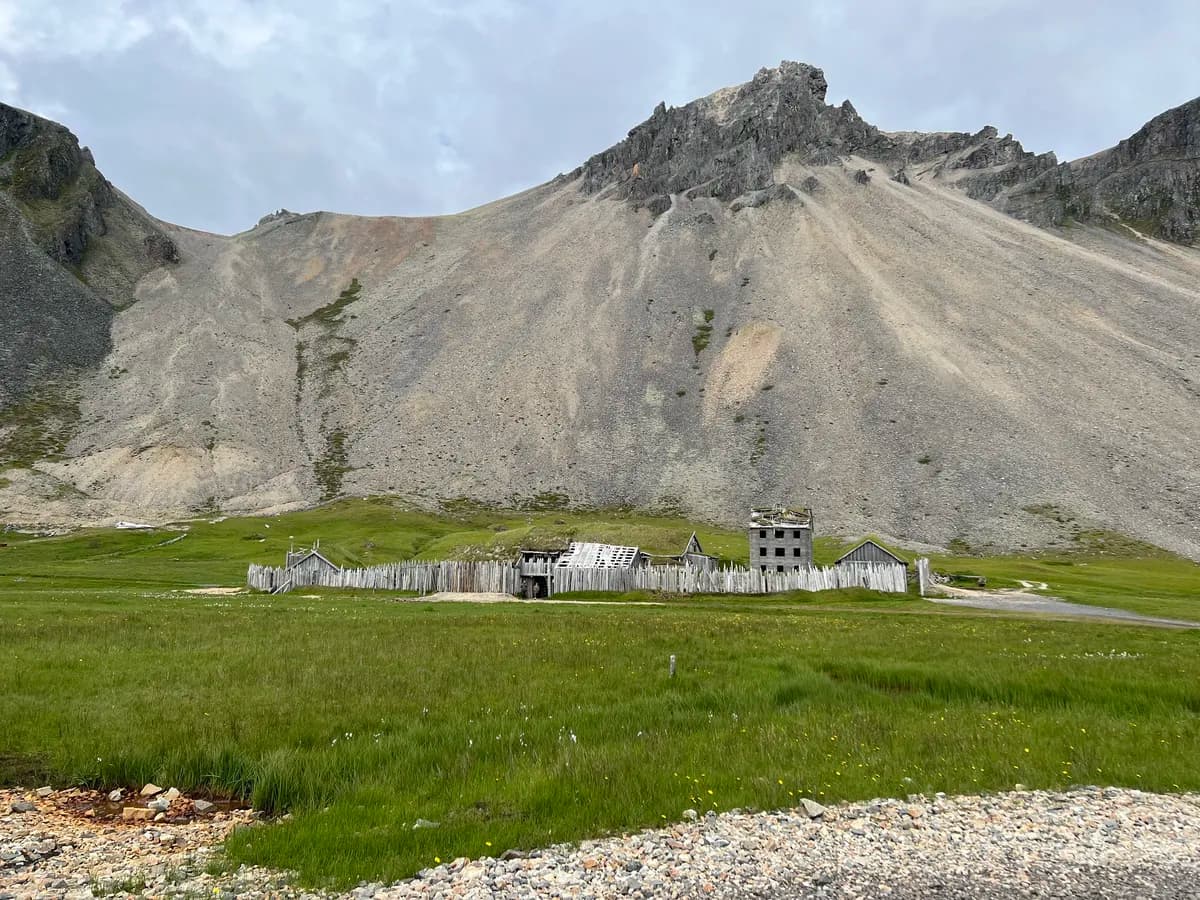
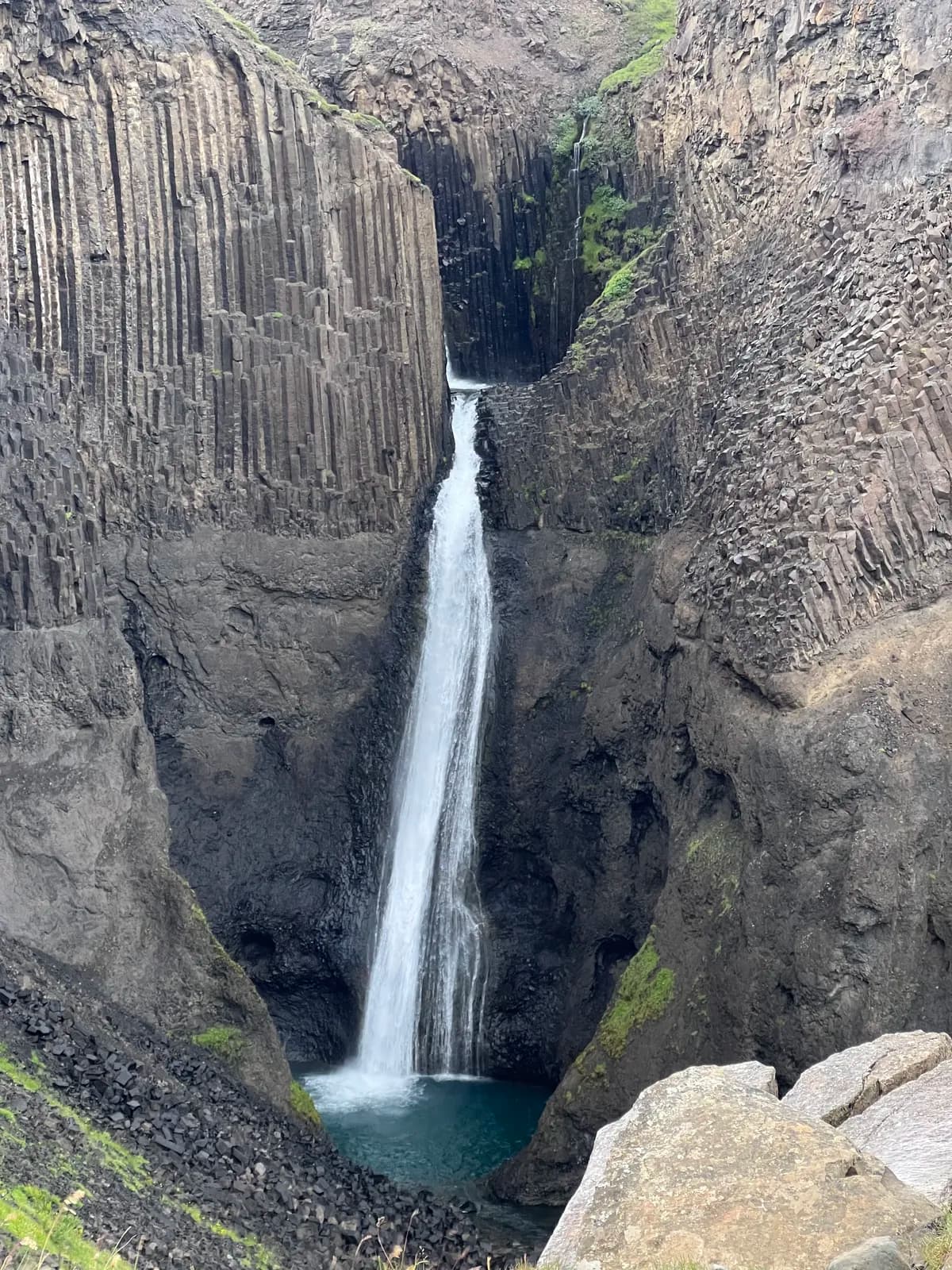
Begin the day at the Viking Village near Vestrahorn, a recreated film-set-style settlement set against one of Iceland's most photogenic mountains. The contrast between the rustic wooden structures and the sharp peaks of Vestrahorn creates a dramatic setting, making it a popular stop for photography.
Continue to Hengifoss, one of Iceland's tallest waterfalls. The hike to the waterfall is approximately 2.5 km each way and passes through a scenic canyon with multiple viewpoints. Hengifoss is especially known for its distinct red clay strata layered within the surrounding rock formations, creating a unique contrast against the cascading white water. While the hike involves a steady incline, the views along the trail and at the summit make it well worth the effort. I recommend in or near Egilsstaðir, the main town in East Iceland and a convenient base for exploring the surrounding region.
Day 6 - North Coast Part 1
Day 6 explores the powerful and geologically active landscapes of North Iceland. Highlights include Dettifoss, the Hverir Geothermal Area, Krafla Crater, and Grjótagjá Lava Cave. The total driving time ranges between 4 to 5 hours, depending on stops and road conditions.
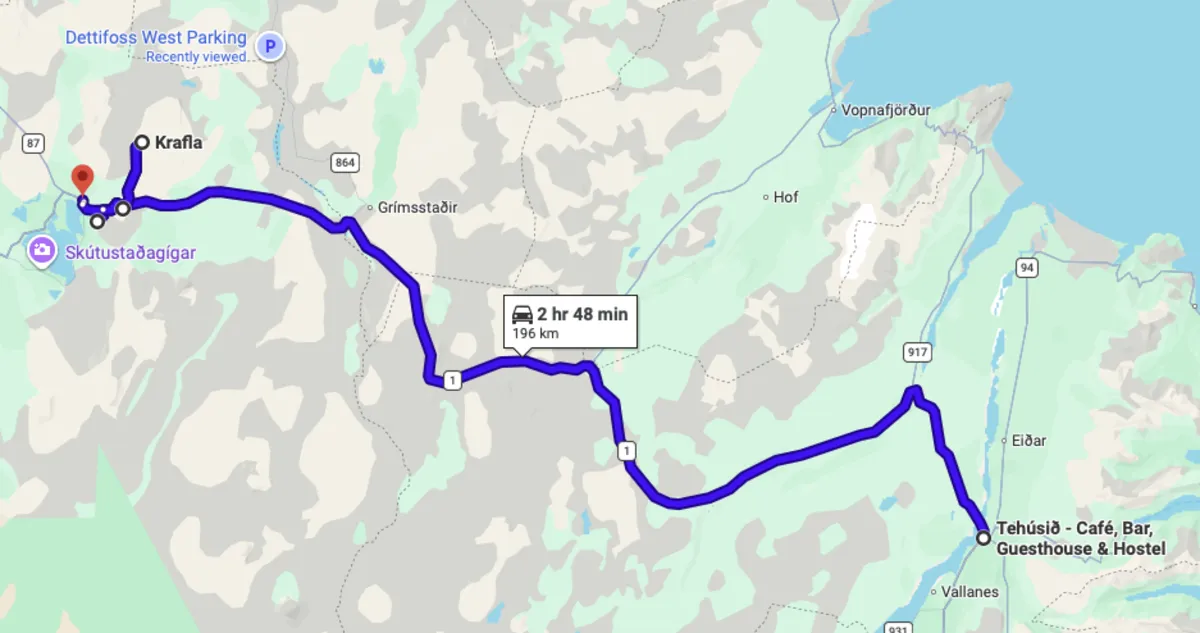
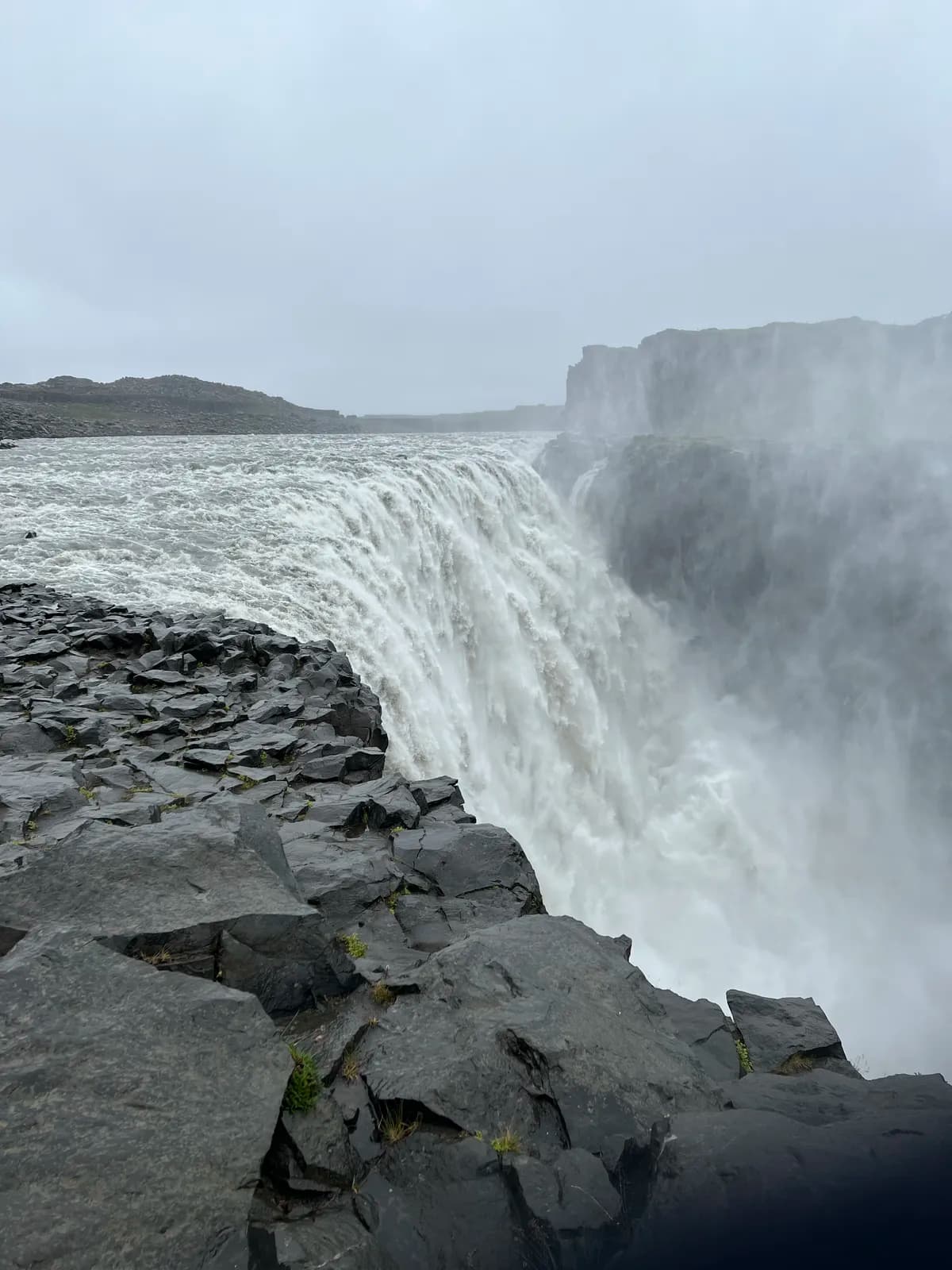
Begin the day at Dettifoss, widely considered Europe's most powerful waterfall. The immense volume of water plunging into the canyon below creates a dramatic and thunderous spectacle. Viewing platforms on both the east and west sides offer different perspectives of the falls and the surrounding rugged landscape.
After Dettifoss, the second highlight of the day is Hverir Geothermal Area, a steaming field of bubbling mud pots, fumaroles, and colorful mineral deposits. The strong sulphur smell is noticeable here, but the otherworldly terrain makes it one of the most fascinating geothermal sites in the country.
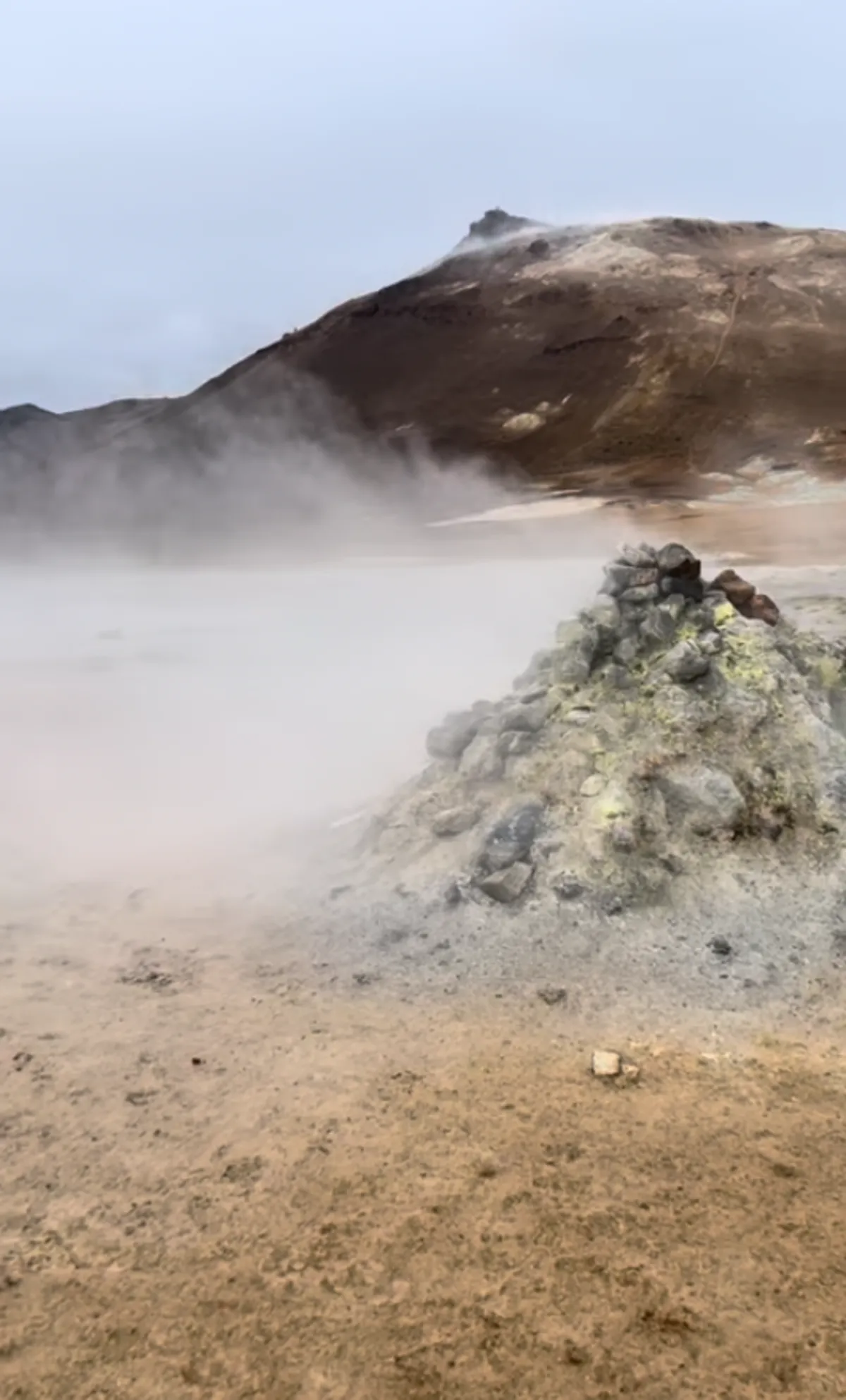
Next, visit Krafla Crater, part of an active volcanic system known for its geothermal activity. A short walk around the crater rim provides panoramic views of the surrounding lava fields and the striking blue crater lake.
End the day at Grjótagjá, a small lava cave containing a geothermal hot spring. Although bathing is not permitted due to fluctuating temperatures, the cave's steamy interior and filtered natural light create a unique and atmospheric stop.
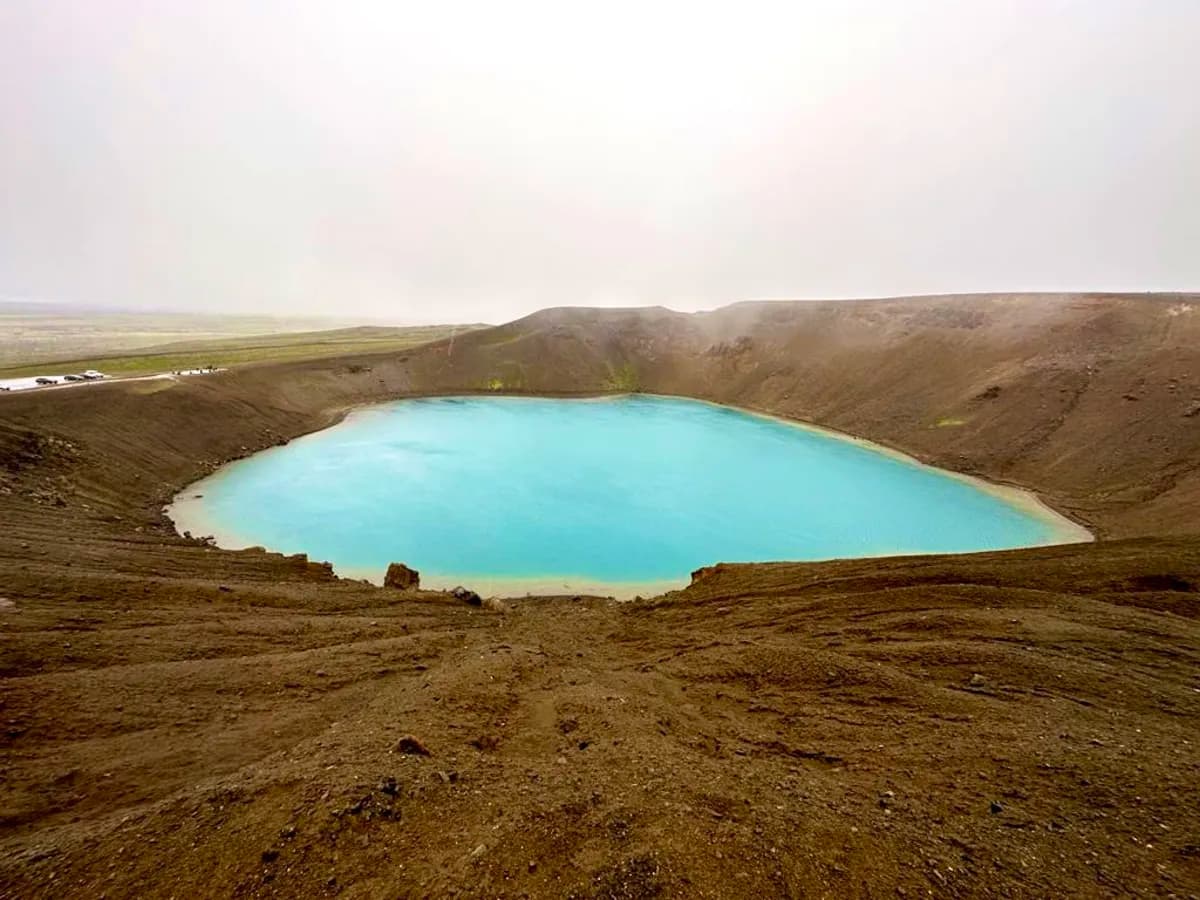
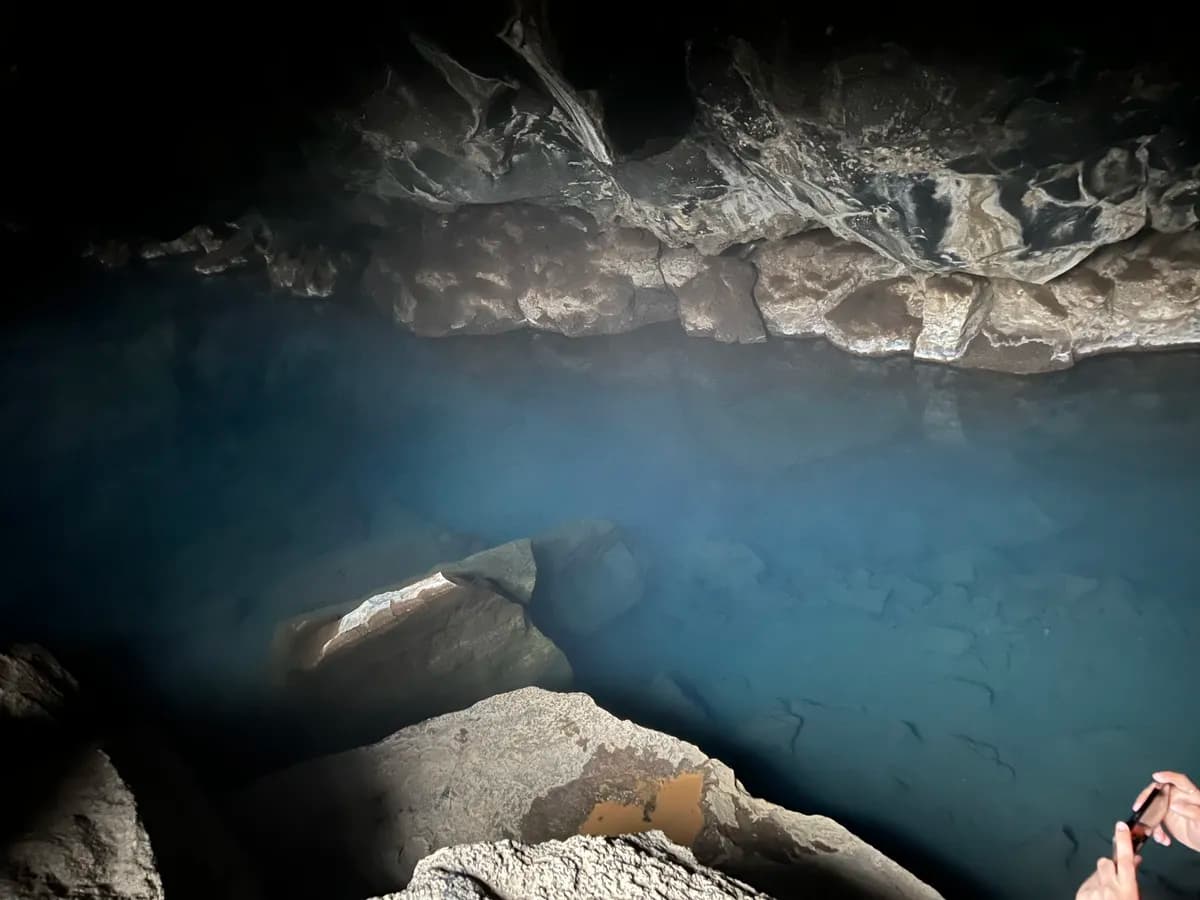
Stay overnight in or near Reykjahlíð, located by Lake Mývatn. The area is known for its volcanic landscapes, birdlife, and geothermal activity, and serves as an excellent base for exploring the Mývatn region further.
Day 7 - North Coast Part 2
Day 7 is the most drive-intensive stretch of this itinerary, with around 5-6 hours on the road. The longer drive is mainly because this plan skips Akureyri, often considered the second-largest city in Iceland. While Akureyri is known for its charming streets, cultural scene, and scenic fjord views, this itinerary prioritizes Iceland's raw natural landscapes over urban stops. If you have additional days, adding Akureyri would make for a well-balanced North Iceland experience.
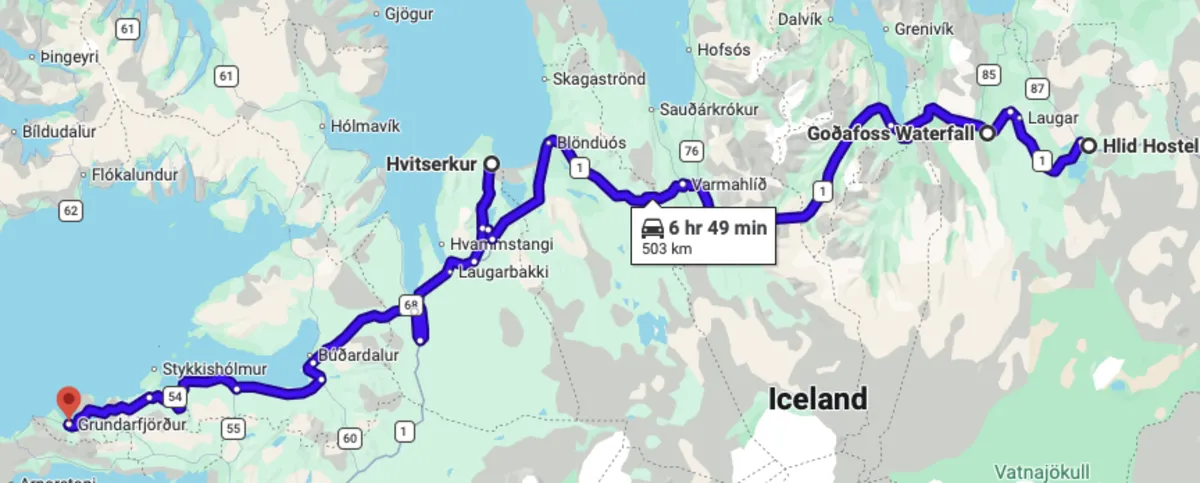
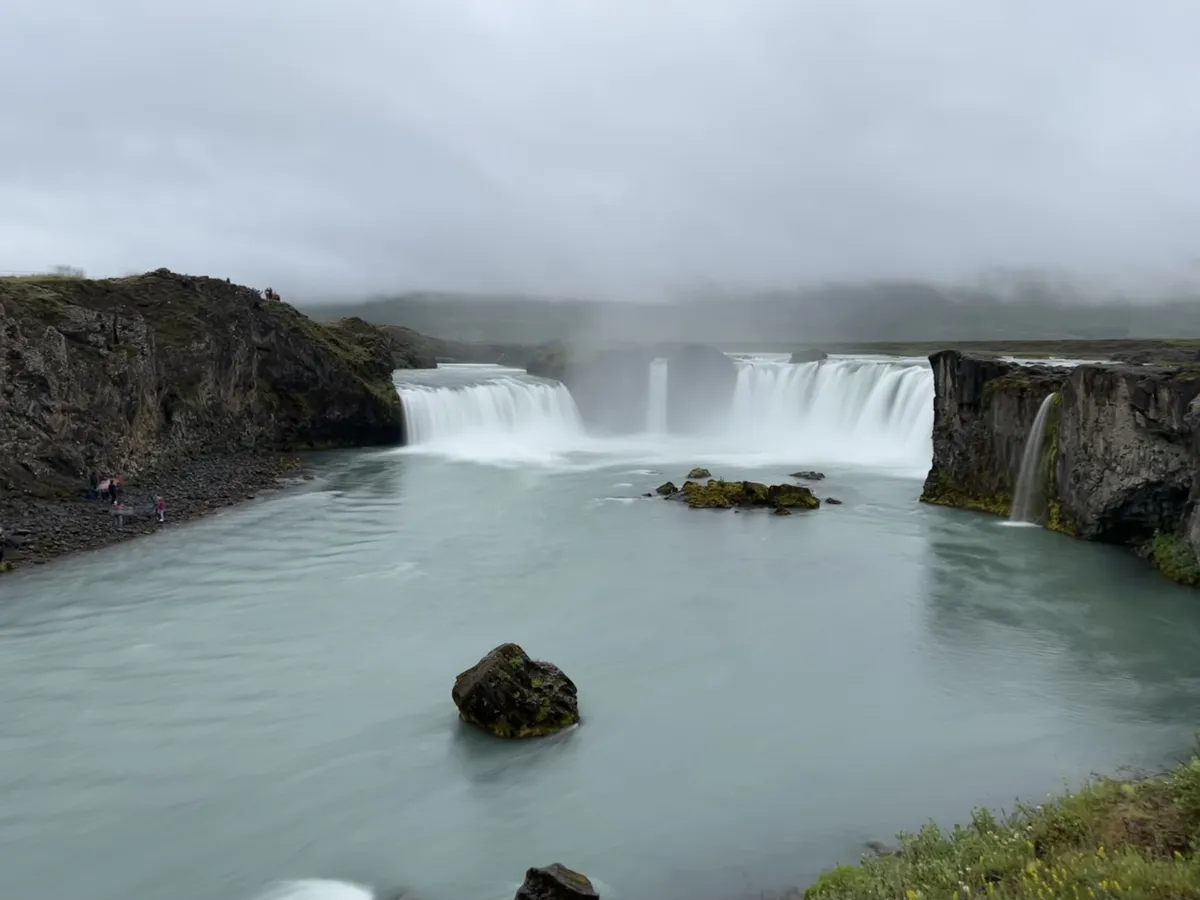
The two key highlights for the day are Goðafoss and Hvítserkur. Goðafoss, often called the “Waterfall of the Gods,” is one of Iceland's most iconic waterfalls. Its wide crescent shape and powerful turquoise flow create a dramatic yet graceful scene. The viewing paths on both sides allow different perspectives, and spending about an hour here gives enough time to truly absorb the scale and beauty of the falls.
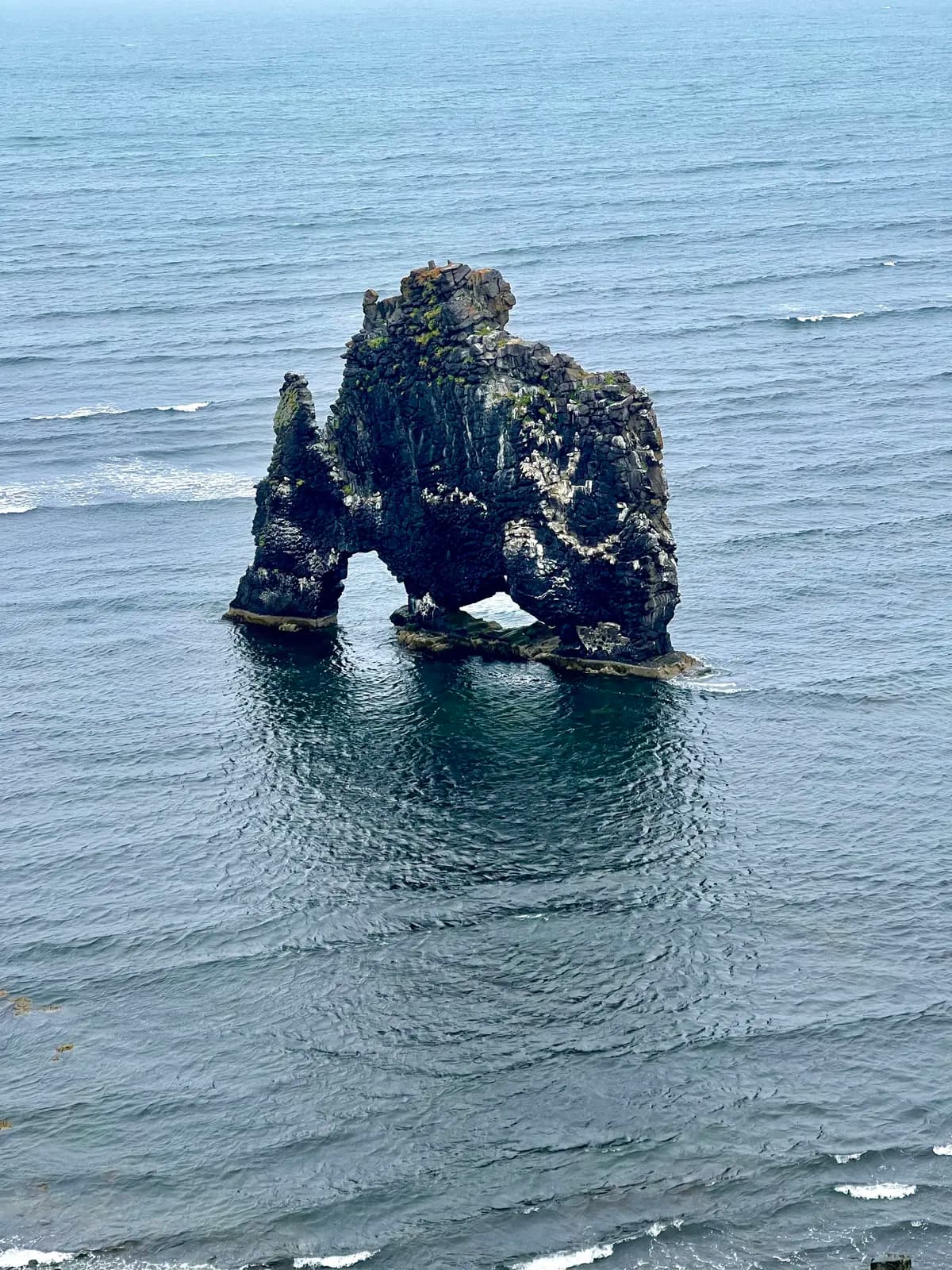
Further along the coast stands Hvítserkur, a striking 15-meter-tall rock formation rising from the sea. From a distance, it resembles a mythical creature frozen in time, adding a mysterious character to the rugged shoreline. Visitors can admire it from the main viewpoint above or walk down to the black sand beach for closer angles. The beach offers excellent photography opportunities, especially during golden hour. Even outside of sunset, the dramatic coastal backdrop and seabirds nesting around the rock make the stop worthwhile. During summer, puffins are occasionally spotted in the area.
The day concludes near the iconic Kirkjufell mountain, one of Iceland's most photographed landmarks. Staying in accommodation in this region allows for a peaceful evening surrounded by dramatic landscapes. After a long but rewarding drive, the quiet stillness of the area feels especially satisfying — a reminder that in Iceland, even the drive itself is part of the adventure.
Day 8 - West Coast & Reykjavik
Day 8 marks the final stretch of Iceland's famous Ring Road and the beginning of a slower, more relaxed pace. The drive is relatively short, around 2.5 hours, connecting the Snæfellsnes Peninsula back to the capital city. It's a gentle transition from dramatic landscapes to urban comfort.
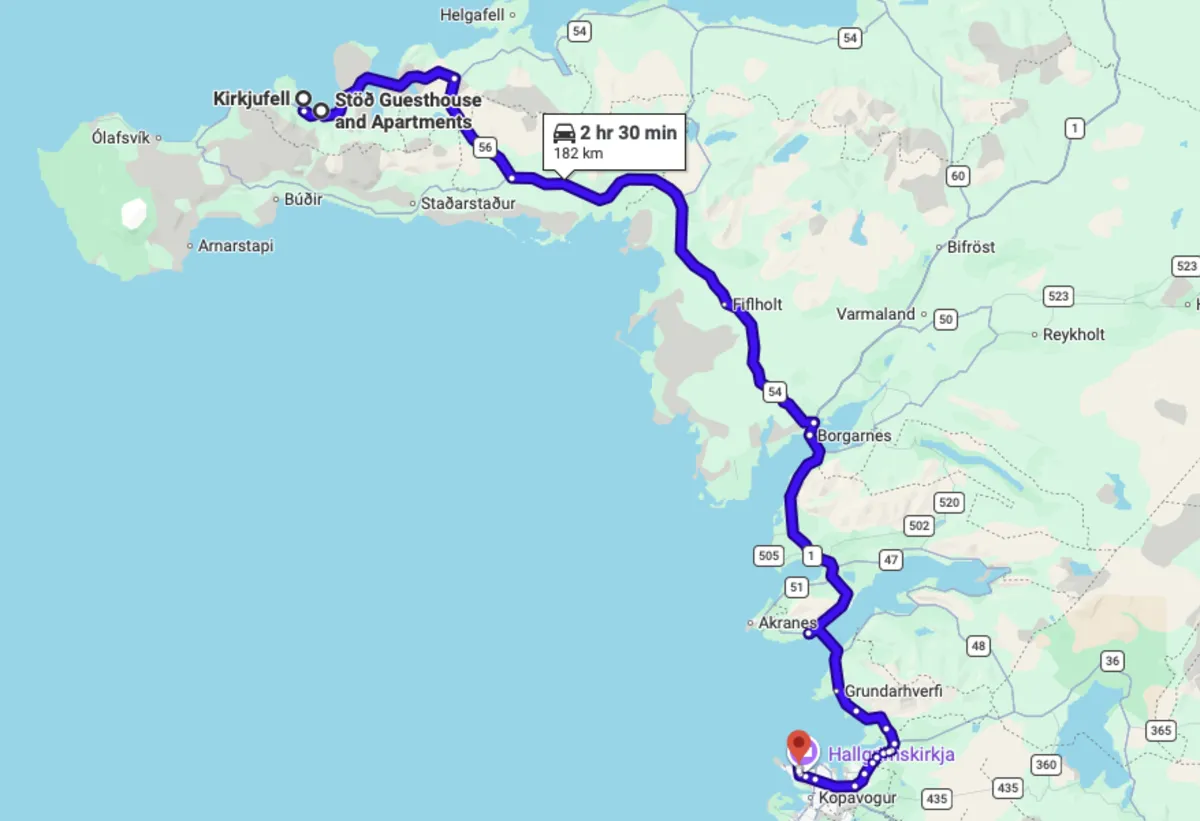
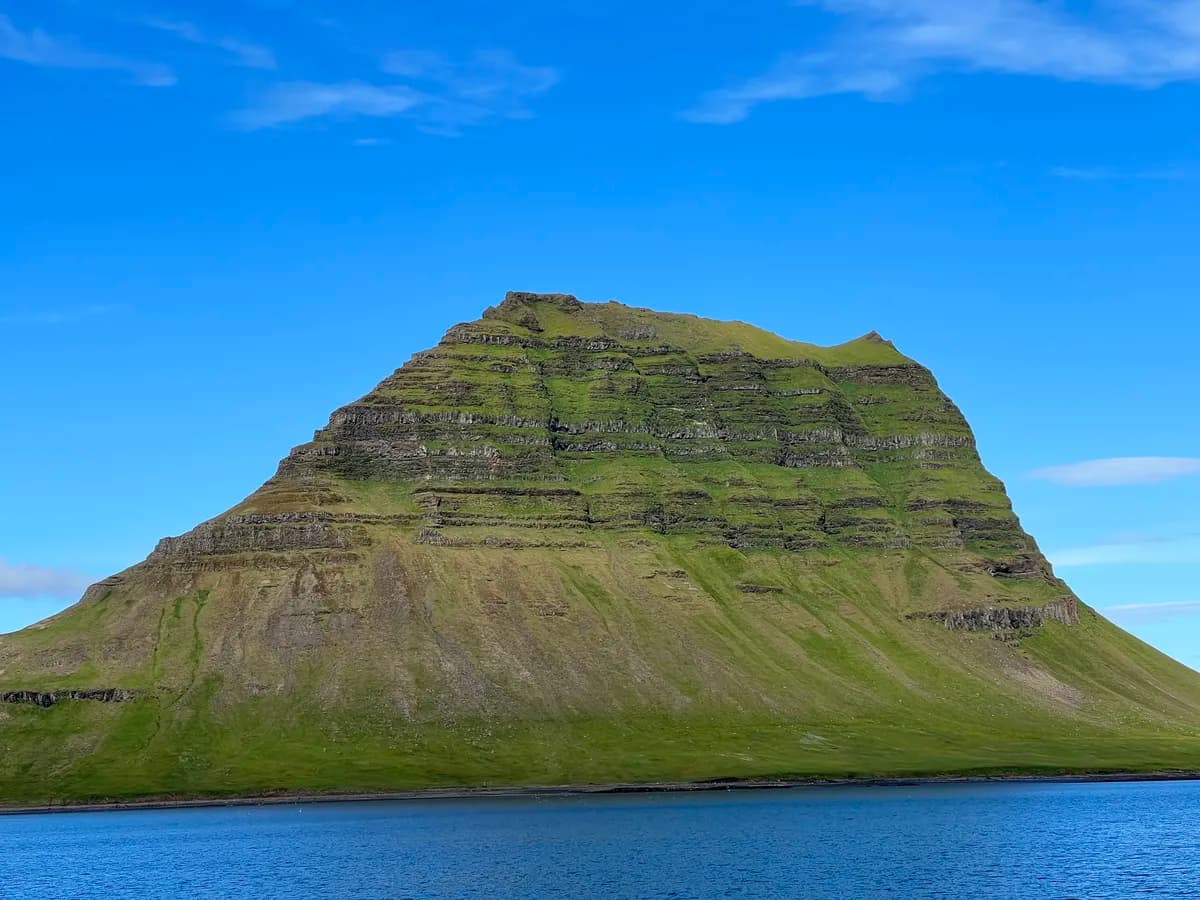
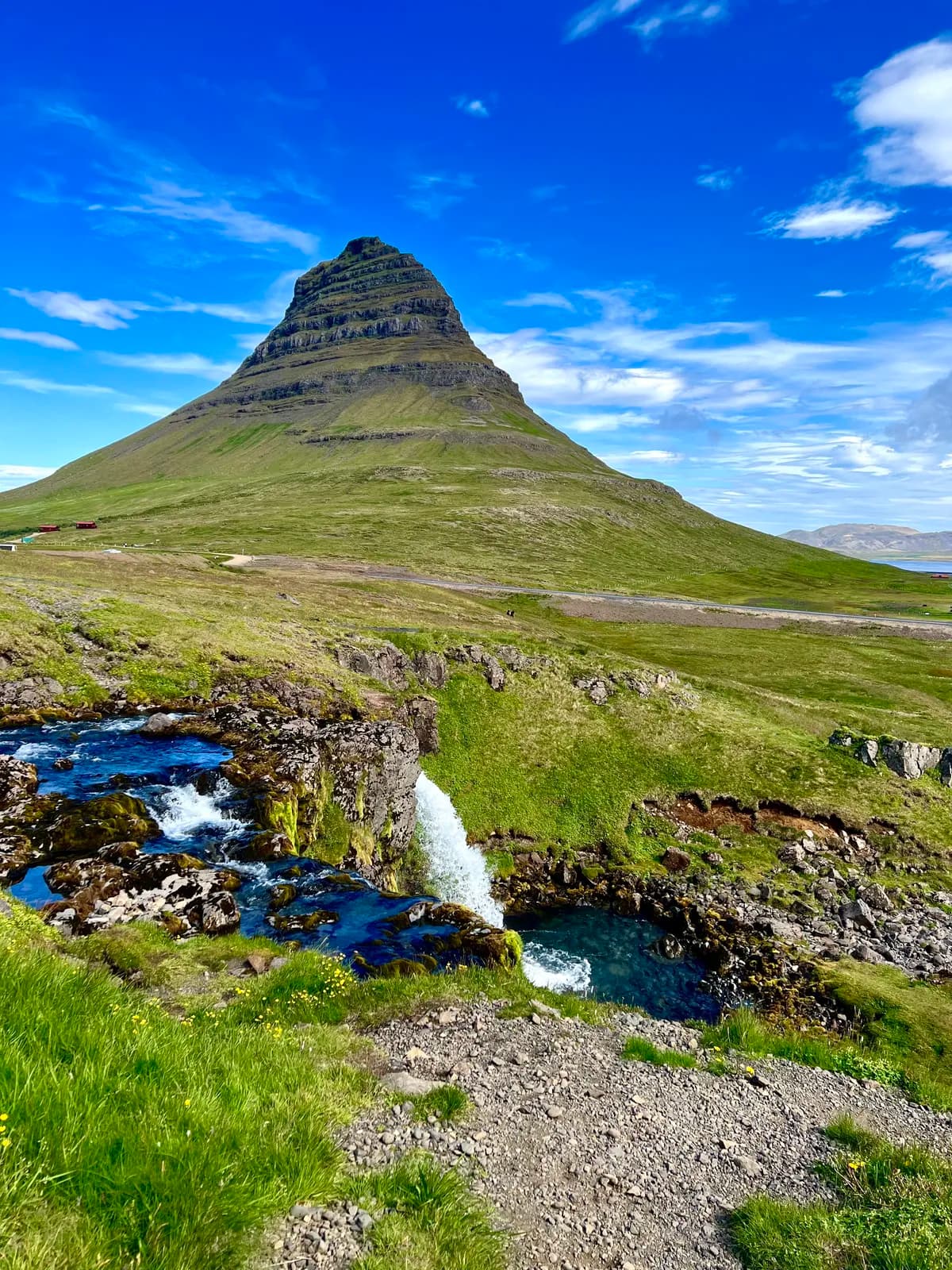
The morning begins at Kirkjufell, often called Iceland's most photographed mountain. Rising 463 meters above sea level, its distinctive arrowhead shape makes it instantly recognizable. Just across the road lies Kirkjufellsfoss, a small yet perfectly positioned waterfall that frames the mountain beautifully. Spending 1-2 hours here allows time to walk the surrounding paths, experiment with different viewpoints, and simply take in one of Iceland's most iconic scenes.
From here, the journey continues to Reykjavik, Iceland's vibrant capital. Staying in the city center makes it easy to explore on foot from the striking architecture of Hallgrímskirkja to the colorful streets lined with cafes, boutiques, and restaurants. After a week of waterfalls, glaciers, black sand beaches, and long scenic drives, Reykjavik feels both lively and comforting.
The evening is best spent slowing down, enjoying local cuisine, wandering through the city's creative corners, or simply reflecting on the journey. Completing the Ring Road is more than ticking off landmarks; it's an experience that gradually unfolds, leaving behind memories shaped by vast landscapes, quiet moments, and the rhythm of the open road.
Day 9 - Golden Circle
The final day is dedicated to Iceland's famous Golden Circle — a classic route that brings together some of the country's most significant natural and geological landmarks. Although the total driving time is around four hours, each stop deserves unhurried exploration to fully appreciate its scale and uniqueness.
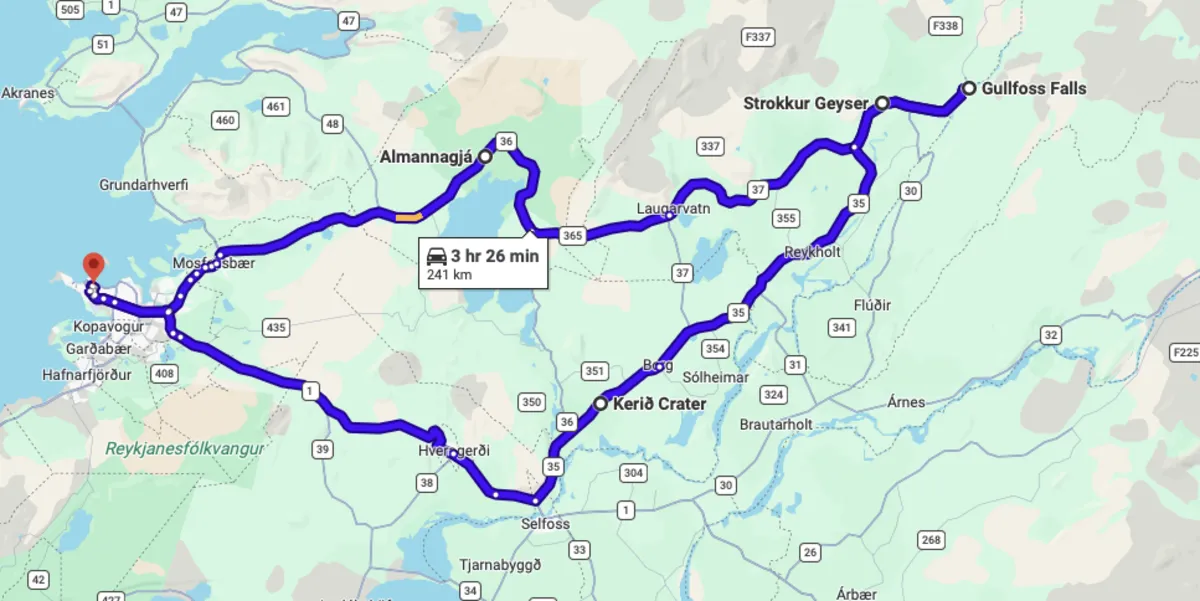
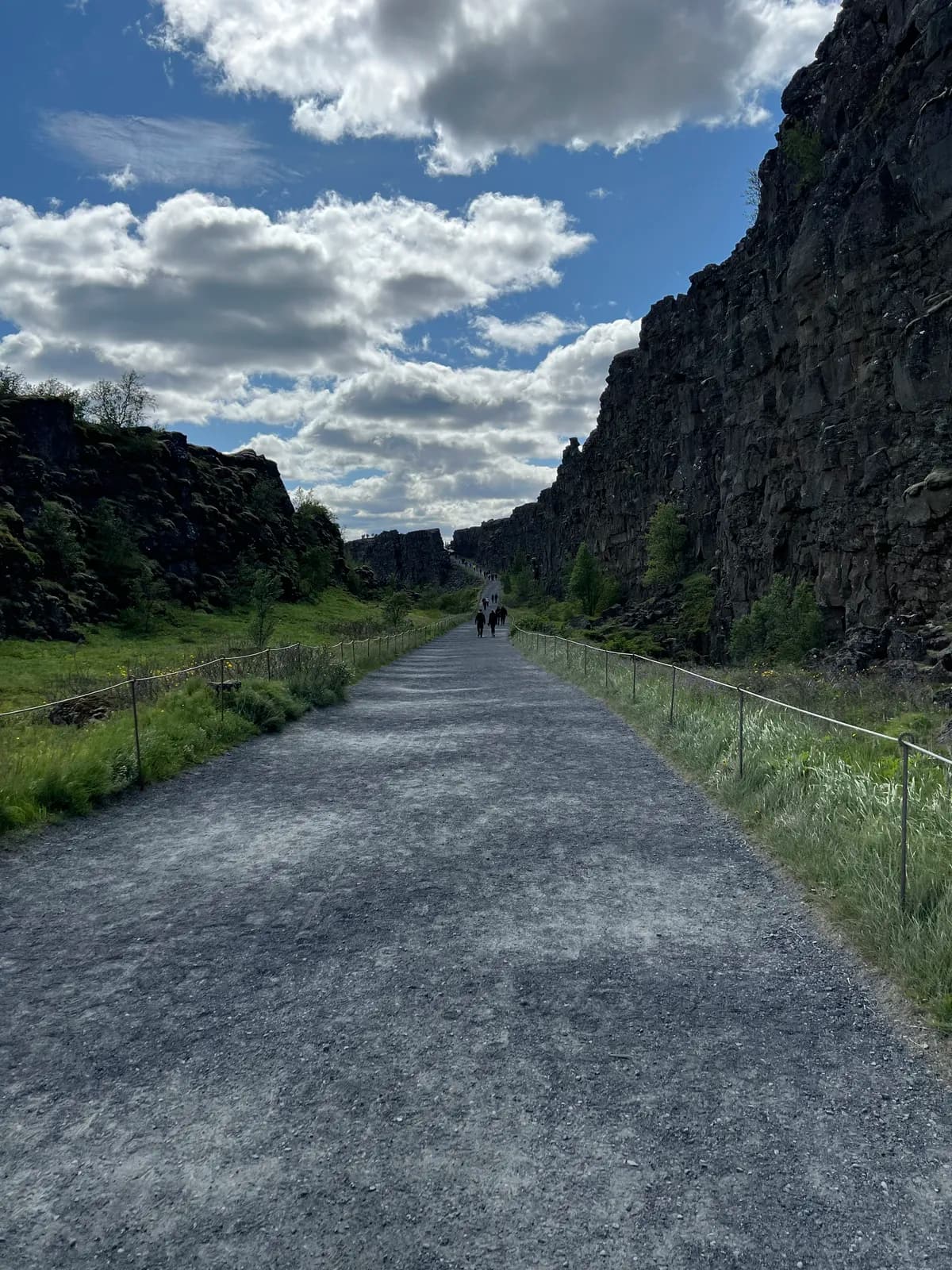
The journey begins at Almannagjá, a dramatic rift valley where the North American and Eurasian tectonic plates slowly drift apart. Walking through the valley, towering rock walls rise on both sides, offering a powerful reminder of Iceland's volcanic origins. The site is not only geologically significant but also visually striking — a place where landscapes feel raw and ancient. Fans of Game of Thrones may also recognize this location from several scenes filmed here.
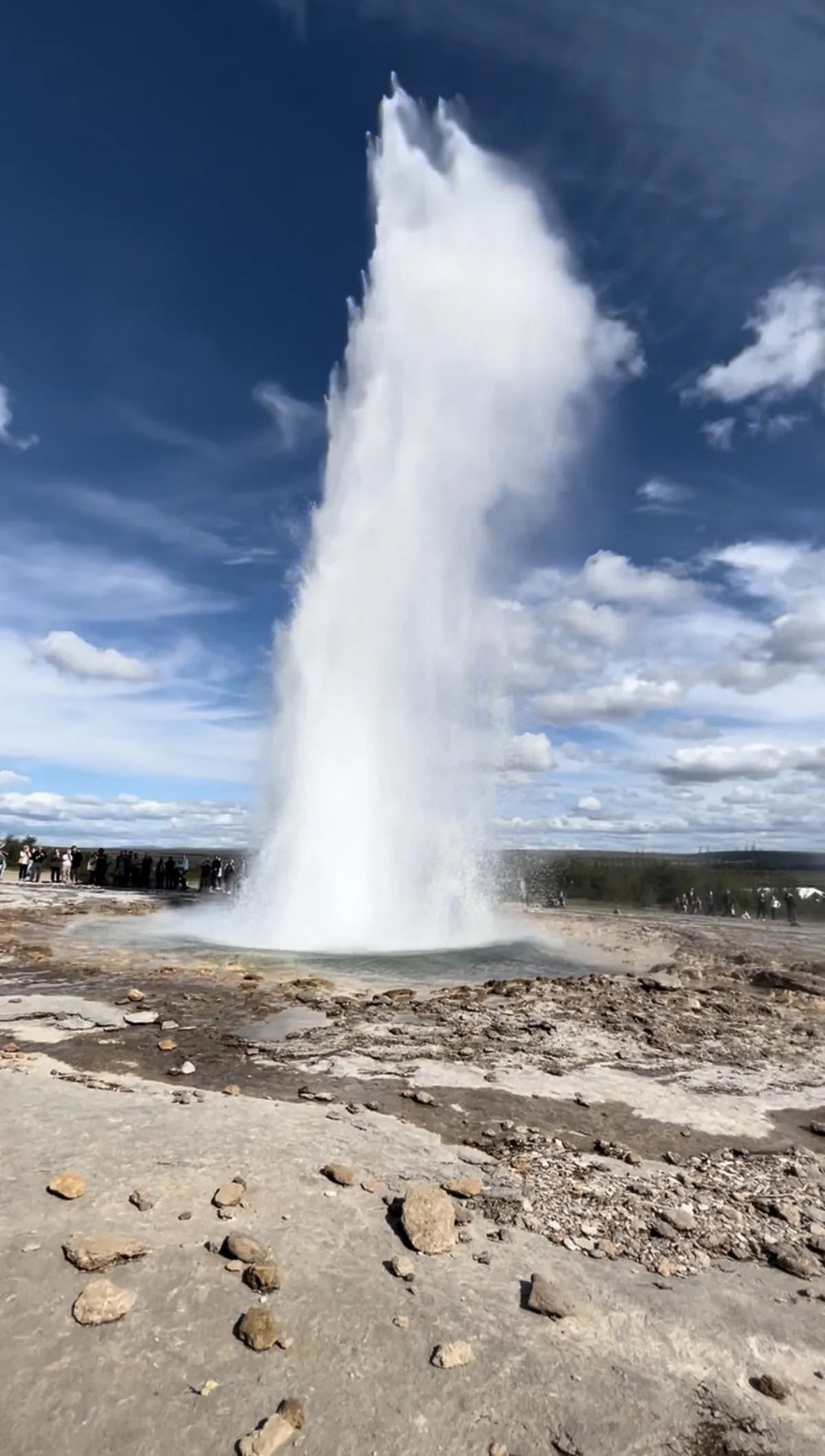
A short drive leads to Strokkur, one of Iceland's most active geysers. Erupting every 5-10 minutes, it shoots boiling water high into the air, sometimes reaching up to 30 meters. The anticipation builds with each bubbling surge before the dramatic burst — a spectacle that never quite feels predictable, no matter how many times it erupts.
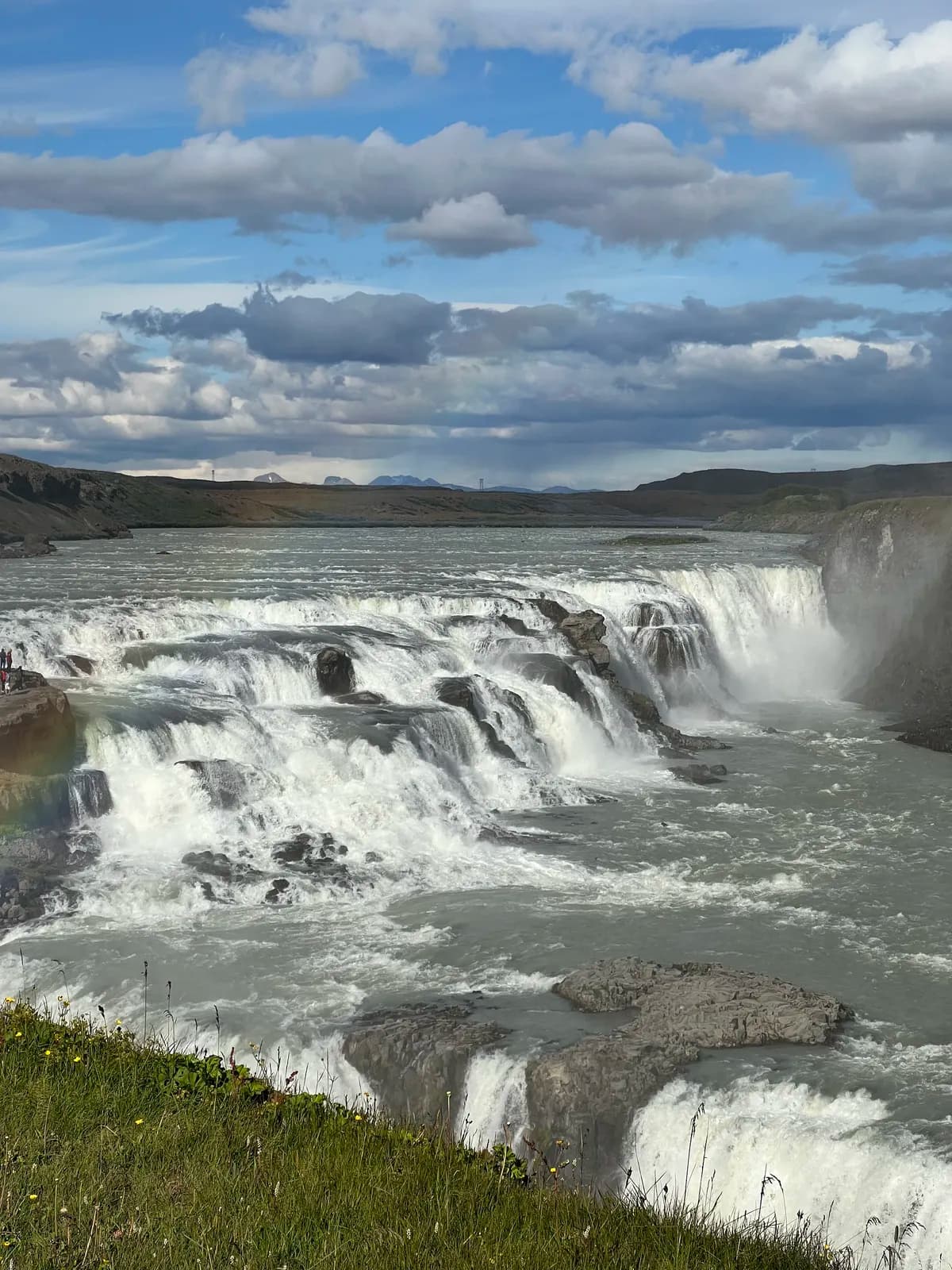
Next is Gullfoss, or the “Golden Falls,” a powerful two-tiered waterfall that plunges into a rugged canyon below. The sound alone announces its presence before it fully comes into view. On clear days, sunlight often catches the mist, creating rainbows that add to the already breathtaking setting. It's one of those places where scale is difficult to capture in photographs — the experience is far more immersive in person.
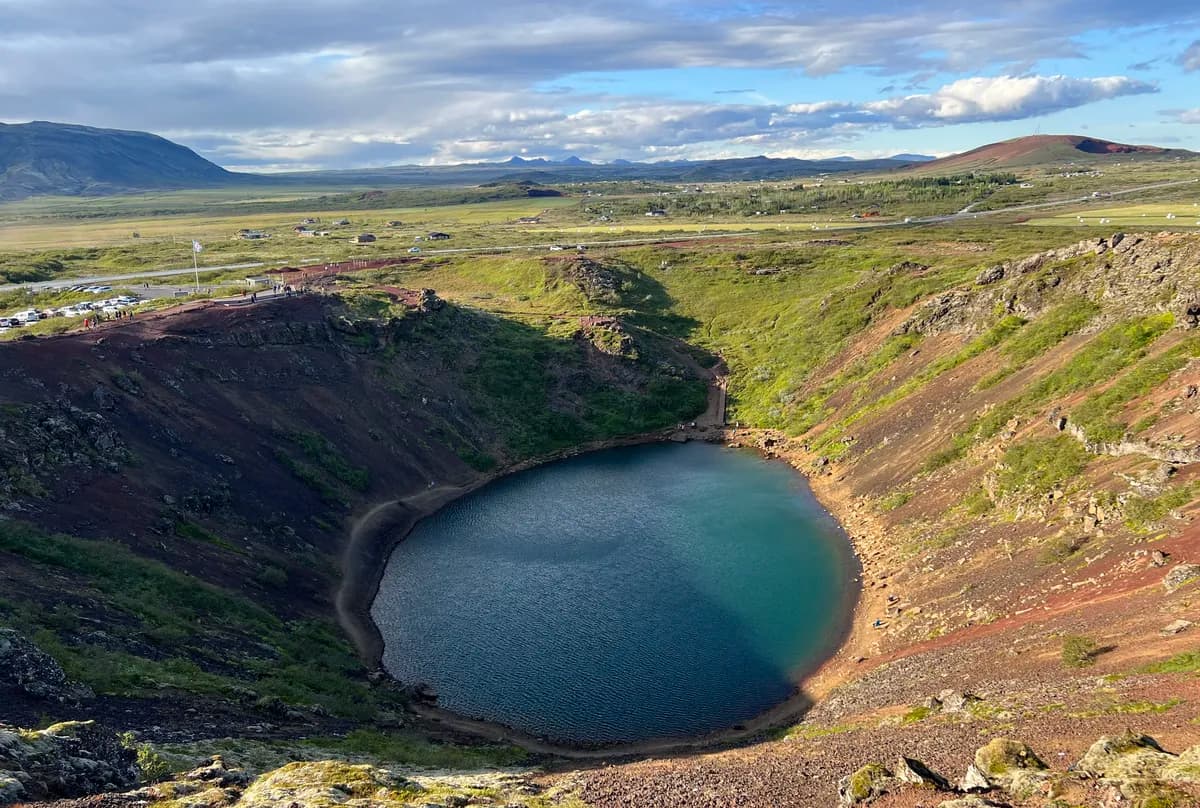
The final stop is Kerið Crater, a volcanic caldera lake formed roughly 3,000 years ago. Its vivid red and orange slopes contrast sharply with the deep blue water at its center, creating a striking natural color palette. A walk along the rim offers panoramic views, while a path down to the lake provides a closer perspective of this unique geological formation.
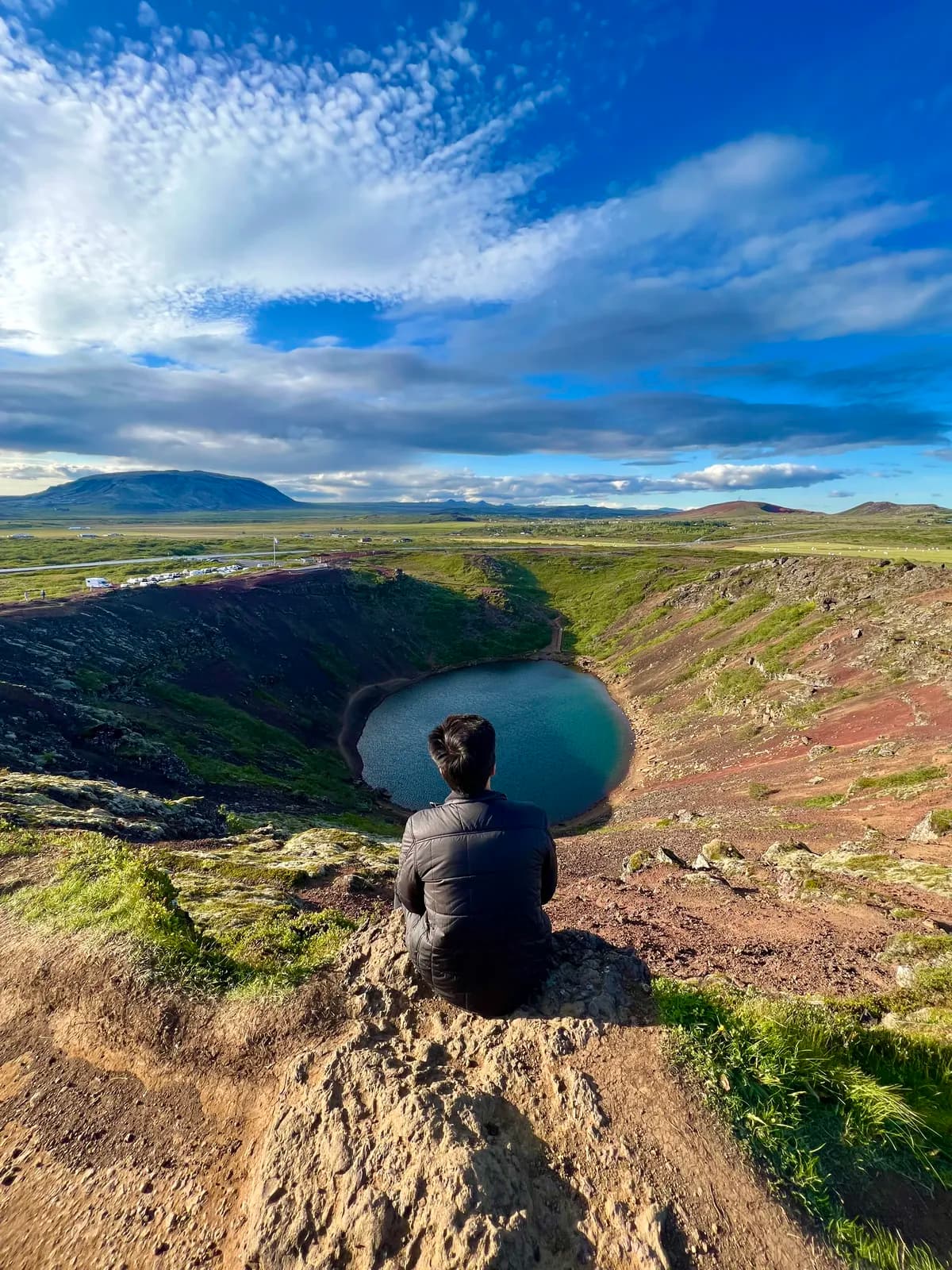
Returning to Reykjavik after completing the Golden Circle feels like a full-circle moment. From glaciers and black sand beaches to waterfalls, craters, and geothermal wonders, the journey across Iceland gradually unfolds into a collection of unforgettable landscapes. Ending the trip in the capital offers a final chance to slow down, enjoy a good meal, and reflect on an adventure shaped by nature in its purest form.
Day 10 - Departure
The final day is reserved for departure, allowing for a relaxed and stress free end to the journey. Since Iceland is a long haul destination for many travelers, keeping this day light provides time to pack, reach the airport comfortably, and transition back home without feeling rushed.
After days filled with waterfalls, glaciers, volcanic landscapes, and long scenic drives, a slow final morning offers the perfect pause before leaving. It's a gentle conclusion to an unforgettable road trip around Iceland.
Appendix
Accommodation Details
- Alva Hotel: The hotel is located in the center of Reykjavik. It was a cozy and comfortable hotel with a great location. The stay costed us around 220 Euros for one night for 4 people.
- The Barn: The Barn is a charming hostel located in the heart of Vik. It offered cozy dormitory-style accommodations with a friendly atmosphere. The stay costed us around 240 Euros for one night for 4 people.
- Vesturus Hostel: Vesturus hostel is a cozy and affordable accommodation located in the Skaftafell area. It offers dormitory-style rooms and private rooms, making it a great option for budget travelers. The reason for choosing this hostel was its affordability and convenient location. The stay costed us around ISK 23000 (approx. 180 Euros) for one night for 4 people.
- Hofn Hostel: The Hofn Hi Hostel is located in the town of Hofn, which has North Atlantic on one side and the Vatnajokull glacier on the other. Hofn Hi hostel is a cozy place to stay with a friendly atmosphere, cook some good meals and get a good night's sleep. The stay costed us around 240 Euros for one night for 4 people.
- Tehusio Hostel & Guesthouse The location of the hostel is perfect after a tiring day of exploring the East Coast. The hostel is located in the town of Egilsstaðir, which is the largest town in the East and offers a good base for exploring the surrounding area. The stay costed us around 270 Euros for one night for 4 people.
- Hlid Myvatn: Add to the stunning views, the accommodation is in the middle of a nature reserve, so you can enjoy the beauty of nature right from your doorstep. The stay costed us around 200 Euros for one night for 4 people. You can find more accommodations in Myvatn area here: Accommodations in Myvatn area
- Stod Guesthouse & Apartments: The Stod guesthouse is a familu run guesthouse in Grundarfjordur with a spectacular view of the Kirkjufell mountain. The guesthouse offers cozy rooms and apartments, making it a great place to relax after a long day of exploring the North Coast. The stay costed us around 280 Euros for one night for 4 people.
- Apartment in Reykjavik Airbnb: We stayed at the Bright family appartment in Iceland in Hafnarfjordur in Reykjavik. The apartment was very spacious, clean and I would highly recommend it for a stay in Reykjavik. We stayed there for two nights, and never regretted our decision. The stay costed us around 500 Euros for two nights for 4 people.
Budget Breakdown (Per Person)
| Item | Cost |
|---|---|
| Flights | €1500 |
| Accommodations | €600 |
| Food | €180 |
| Car Rentals | €500 |
| Activities | €200 |
| Miscellaneous | €200 |
| Total | €3180 |
Get in Touch
I'd love to hear from you whether it's to share your travel stories, ask for tips, or just say hello!