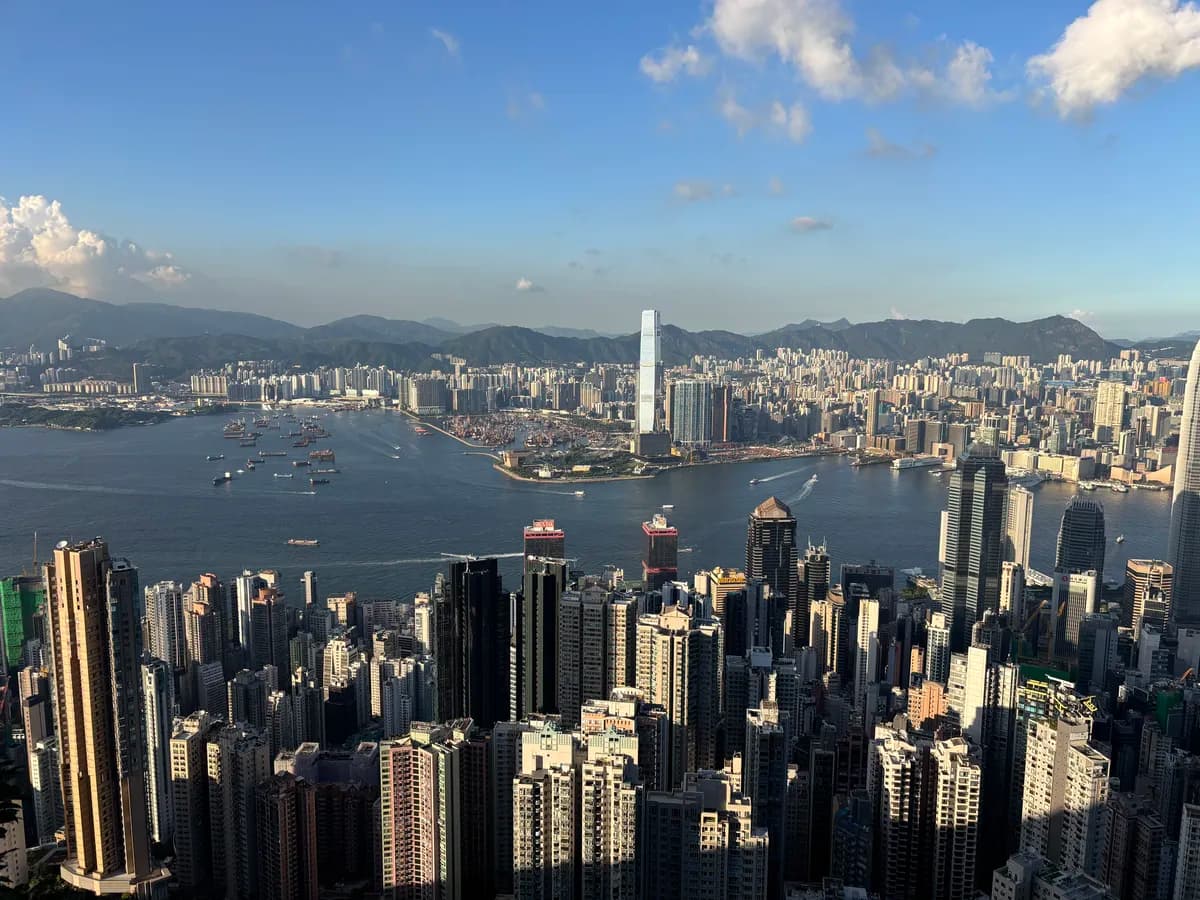
If you only have 3 days in Hong Kong, the key is to stop trying to see everything and focus on the experiences that make the city so memorable: dramatic skyline views, efficient ferry and metro rides, street food, dense urban neighborhoods, and one scenic island day. This itinerary is designed for first-time visitors who want a fast, exciting introduction to Hong Kong without turning the trip into a checklist.
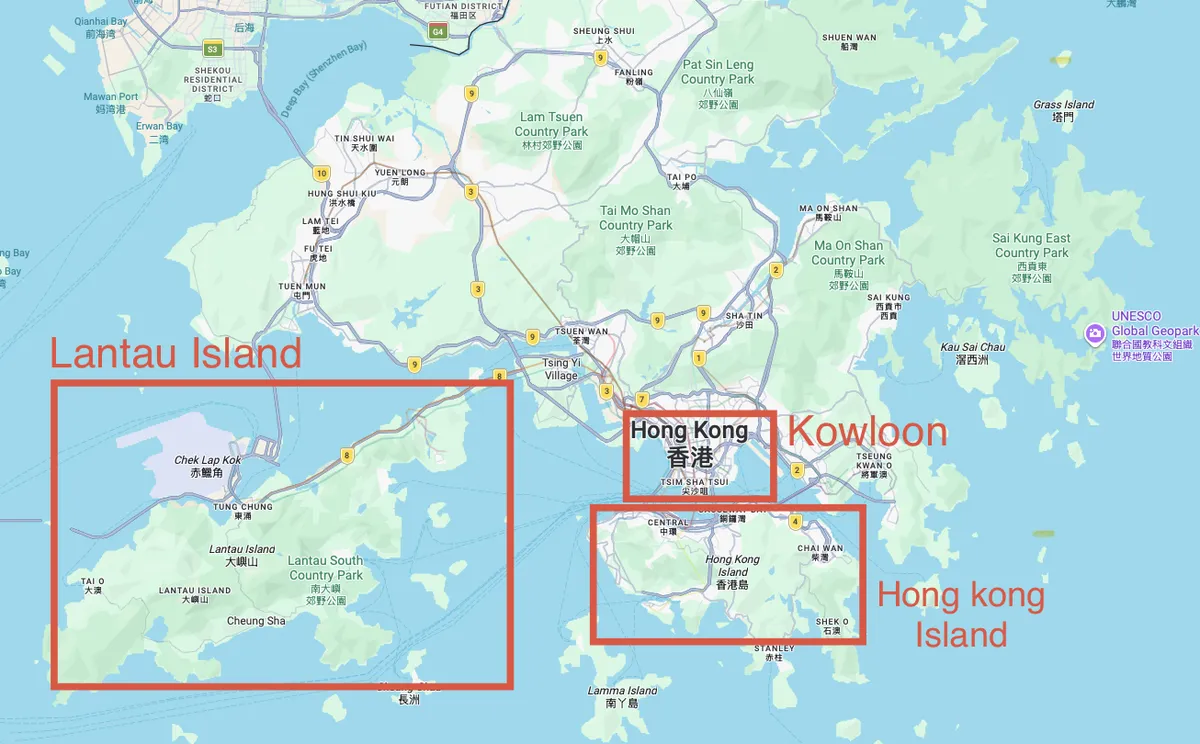
Unlike my detailed Hong Kong & Macau - 1 Week Itinerary, this shorter version is intentionally selective. Instead of adding Macau, hotel changes, and multiple full-day attractions, this route keeps the pace realistic and groups places by area so you spend less time commuting and more time actually exploring. Over three days, you will cover Hong Kong Island, Kowloon, and Lantau Island - enough to experience the contrast between futuristic high-rises, traditional neighborhoods, and quieter natural landscapes.
Quick Summary: 3-Day Trip
Octopus Card
Essential for seamless MTR and bus travel.
Central / TST
Minimize travel time by staying in the core.
Oct - Dec
Lowest humidity and clearest skies for views.
Lantau Island
Explore in the Big Buddha, cable car, and Tai O village.
Mong Kok Markets
Spend some time shopping and snacking in Mong Kok's lively streets.
The Peak
Sunset views from Victoria Peak are essential.
If you're looking for more inspiration, don't miss my list of the best things to do in Hong Kong to explore the city beyond this itinerary. It covers a great mix of attractions for every type of traveler, from iconic skyline views to cultural experiences and vibrant street markets.
This post contains affiliate links. When you click these links I may get a small commission at no extra cost to you, but it does help me run this website.
This 3-day Hong Kong itinerary focuses on classic, high-reward stops for a short stay: Central and Victoria Peak, a full Lantau Island day with the Big Buddha, and a final day through Kowloon's lively streets and waterfront. It is ideal for travelers visiting Hong Kong as a standalone city break or as one stop on a longer Asia trip.
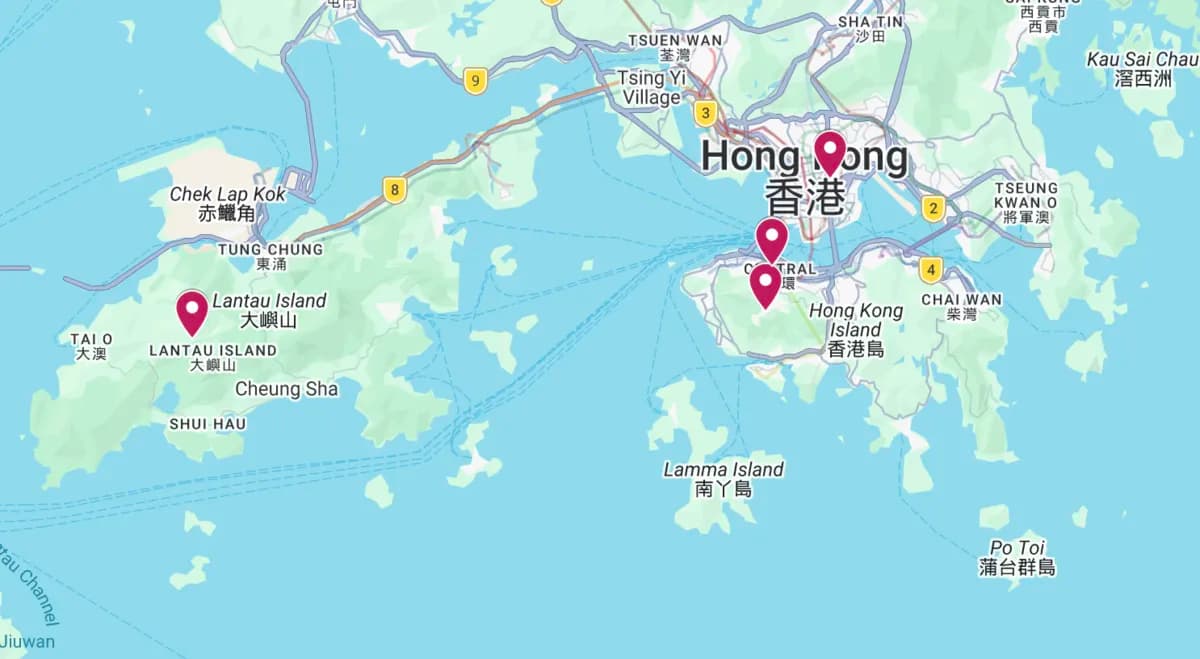
For a short trip like this, I strongly recommend staying in one hotel for all three nights instead of splitting your stay between different areas. A central base in Tsim Sha Tsui, Central, or Sheung Wan keeps transit simple and makes the itinerary much more relaxed.
Table of Contents
- Best Time to Visit Hong Kong
- Is 3 Days Enough for Hong Kong?
- Getting Around Efficiently
- Practical Tips for a Short Trip
- How This 3 Day Itinerary Is Organized
- Day 1 - Central, Victoria Peak & the Harbour
- Day 2 - Lantau Island, Big Buddha & Tai O
- Day 3 - Kowloon Neighborhoods, Markets & Final Views
- Appendix
- Get In Touch
Best Time to Visit Hong Kong
- October to December: The best overall season for a short Hong Kong trip. Humidity is lower, skies are often clearer, and walking-heavy days feel far more comfortable. If your plan includes Victoria Peak, waterfront walks, and Lantau Island, this is the easiest time of year to enjoy all three.
- January to February: A good alternative if you prefer cooler weather. The city remains very manageable for sightseeing, though some days can feel hazier than in late autumn.
- March to September: Warmer, more humid, and more likely to be rainy. Travel is still very possible, but if you dislike sticky weather or want the best skyline views, this is the least ideal period.
Planning around specific months? Read my full breakdown of the best time to visit Hong Kong to help you pick the perfect dates.
Tip: For a compact 3-day trip where every day is packed, good weather matters even more than on a longer holiday. If you can choose your dates, aim for autumn.
Is 3 Days Enough for Hong Kong?
- 2 Days: Enough for the big postcard moments, but it will feel rushed. You can do Victoria Peak, a harbour crossing, and one additional area.
- 3 Days: The sweet spot for a first visit. You can combine the iconic skyline, one major island excursion, and at least one day of neighborhood exploration without spending the whole trip in transit.
- 4-5 Days: Better if you want to add Disneyland, longer shopping time, hiking, beaches, or a more relaxed pace.
In other words, three days is not enough to see all of Hong Kong, but it is absolutely enough to understand why people love the city. If you prioritize well, the trip feels full rather than incomplete.
Getting Around Efficiently
Hong Kong is one of the easiest major cities in Asia to navigate. The MTR is fast, ferries are frequent, buses fill in the gaps, and taxis are widely available when you need to save time. For a short itinerary, that efficiency is a huge advantage.
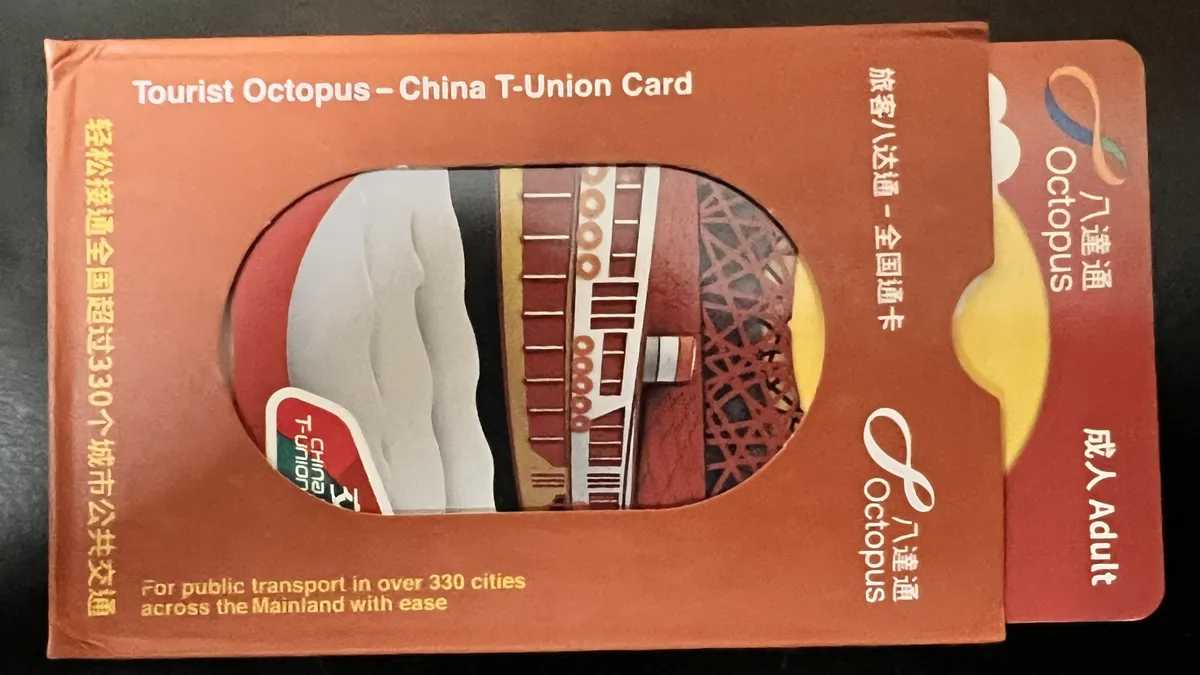
- Get an Octopus Card: This is the simplest way to pay for trains, buses, trams, ferries, and even many convenience stores. It saves time on every journey.
- Use the MTR for long hops: It is usually the fastest way to move between districts like Central, Tsim Sha Tsui, Mong Kok, and Tung Chung.
- Take at least one ferry ride: The Star Ferry is cheap, practical, and one of the most enjoyable short rides in the city.
- Start major sights early: Places like the Peak Tram and Ngong Ping cable car get busier as the day goes on, so a morning or pre-sunset strategy works best.
The Octopus Card can be topped up at MTR stations and convenience stores. Keep in mind that some top-up points may only accept cash, so carrying a little cash is still helpful even though Hong Kong is otherwise very card-friendly.
Practical Tips for a Short Trip
- Stay central: For only 3 days, a hotel in Tsim Sha Tsui, Central, Sheung Wan, or Causeway Bay is far more useful than staying near the airport.
- Use one area per half-day: Hong Kong is compact, but constant backtracking still wastes time. Grouping places by geography makes the trip smoother.
- Pack for walking: Even with excellent transport, you will walk a lot - especially in Central, around Victoria Peak, and through Kowloon's market districts.
- Book only key attractions in advance: If you are visiting on a weekend or holiday, pre-booking the Peak Tram or Ngong Ping 360 can save a lot of time. The rest of the itinerary can stay flexible.
Many travelers try to fit in Disneyland or a Macau day trip on a 3-day visit. You can do that, but something else will have to give. This version keeps the trip centered on Hong Kong itself, which is usually the better choice for a first timer.
How This 3 Day Itinerary Is Organized
This route is built around geography and energy levels. Day 1 is for Hong Kong Island and the harbour views that most people dream about before visiting. Day 2 is your scenic reset on Lantau Island, where the city feels much quieter and more spacious. Day 3 shifts to Kowloon for local neighborhoods, street markets, and a final round of skyline views.
If you follow it in this order, the trip progresses nicely: urban introduction, island escape, then dense neighborhood exploration. It also avoids repeating the same transport routes over and over.
Now for the main part - the 3 day plan itself.
Day 1 - Central, Victoria Peak & the Harbour
Start your Hong Kong trip on Hong Kong Island. It gives you the city's most recognizable contrast: glass towers, steep streets, historic temples, old trams, and those famous harbour views all in one compact area.
Begin the morning in Central and nearby Sheung Wan. Walk through the Mid-Levels area, browse the side streets, and stop at Man Mo Temple if you want a quick dose of old Hong Kong before diving into the more modern parts of the city. This area is great for a slow first half of the day because you can mix architecture, coffee stops, local food, and casual wandering without needing a strict route.
After lunch, make your way to the Peak Tram. Try to time your visit so that you reach Victoria Peak by late afternoon. That gives you daylight views first and then lets you stay through sunset and into the evening when the skyline begins to light up.
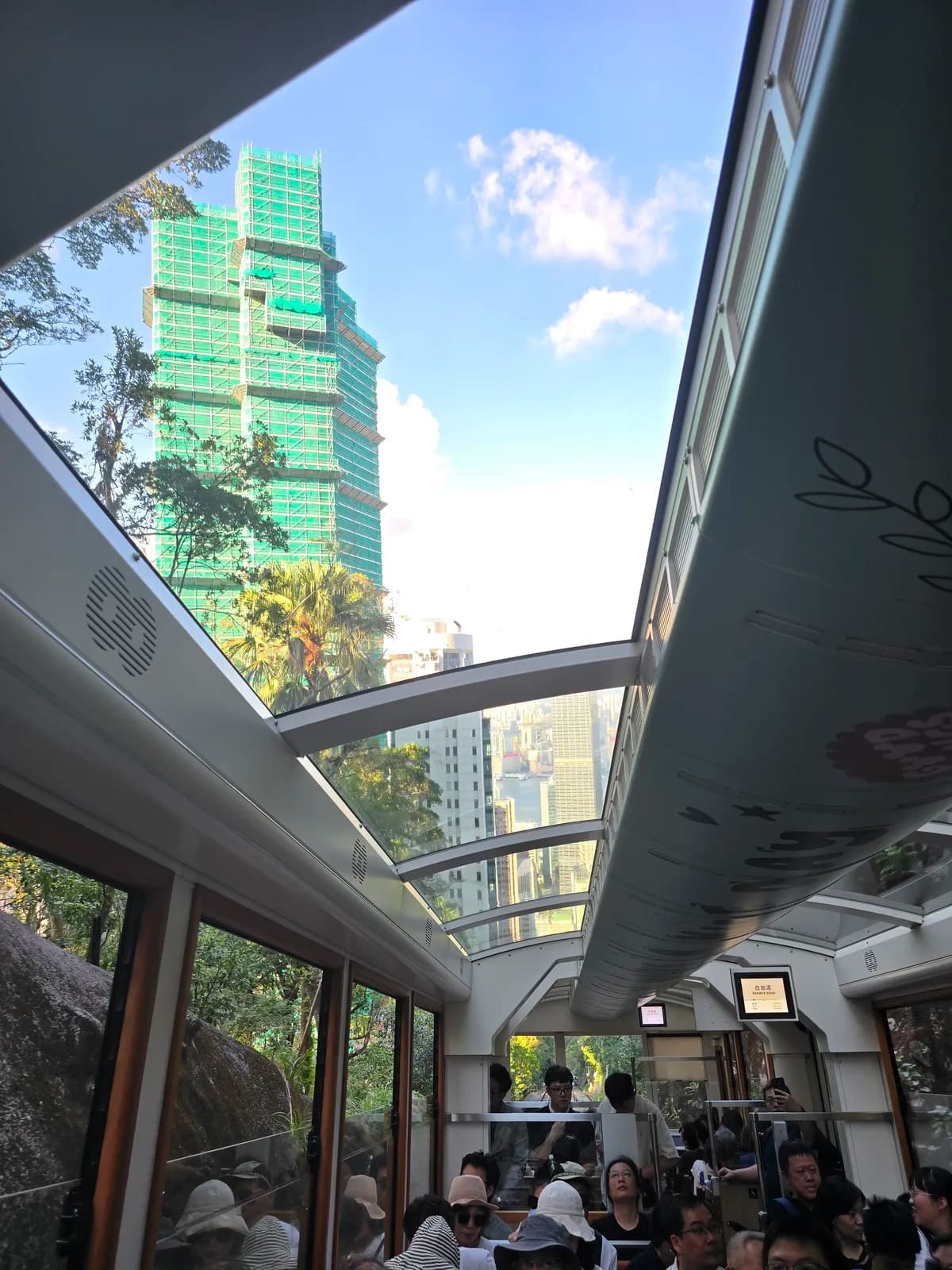
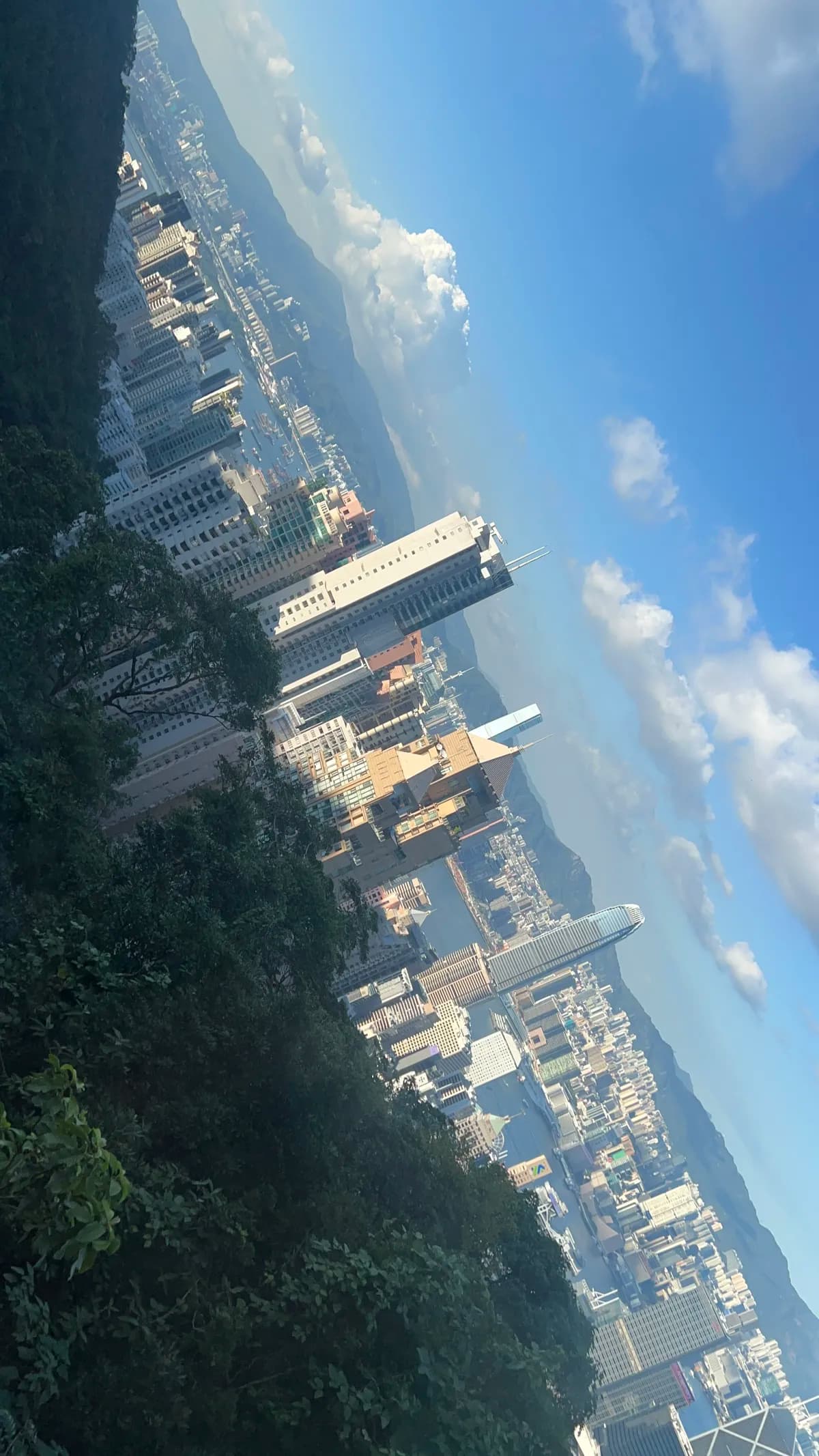
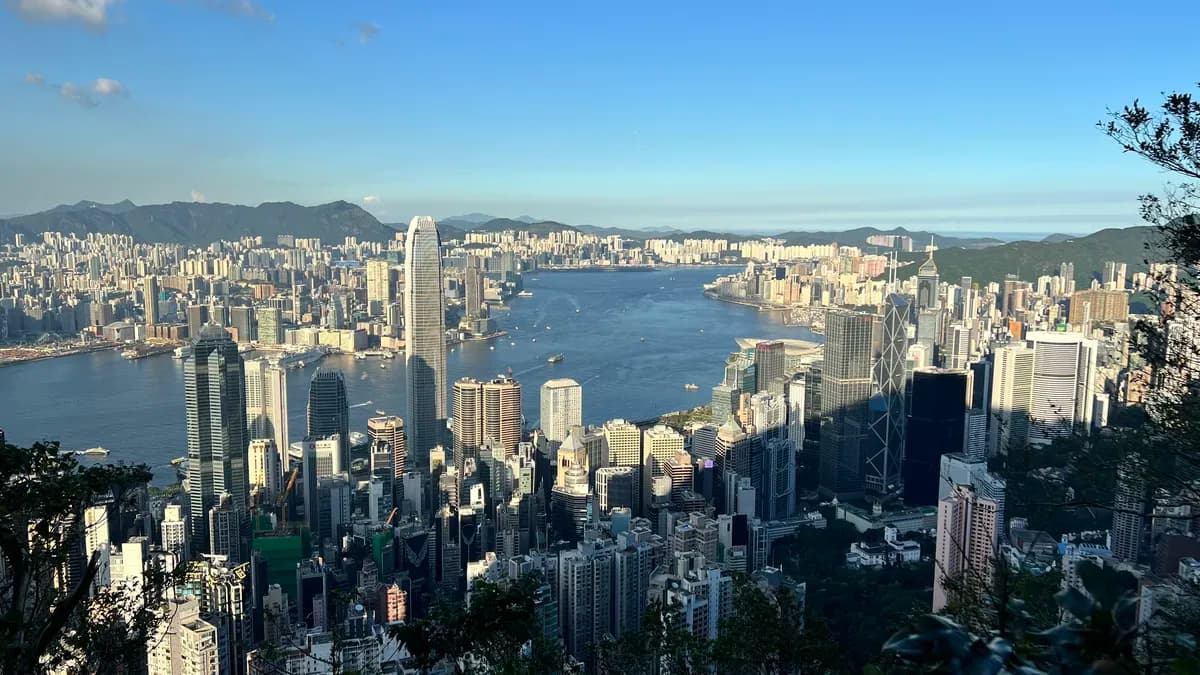
Once you are at the top, do not just rush to the main viewpoint. Spend a little time at the terrace and then walk a section of Lugard Road for wider, more open perspectives. The combination of high-rise density, the harbour, and the hills in the background is what makes Hong Kong's skyline feel so unique.
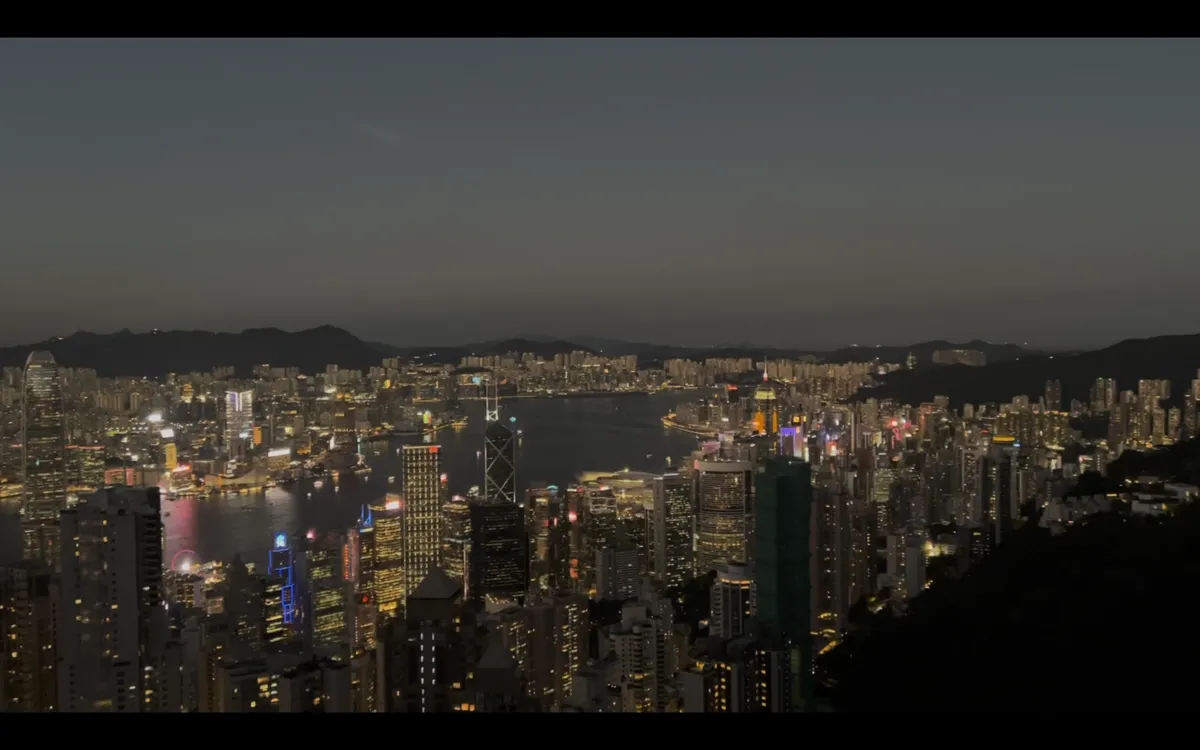
After coming back down, head toward the waterfront and cross the harbour on the Star Ferry. End the night in Tsim Sha Tsui with a promenade walk and dinner facing the skyline. It is a classic first evening in Hong Kong, and for good reason - it is simple, atmospheric, and unforgettable.
Day 2 - Lantau Island, Big Buddha & Tai O
Day 2 is for a different side of Hong Kong. Leave the dense city core behind and spend the day on Lantau Island, where mountains, monasteries, cable car views, and fishing village streets replace skyscrapers.
Start early and travel to Tung Chung for the Ngong Ping 360 Cable Car. The ride itself is part of the experience, with wide views over the sea, airport area, and green hills of Lantau. On clear days, it is one of the most scenic transport rides in Hong Kong.
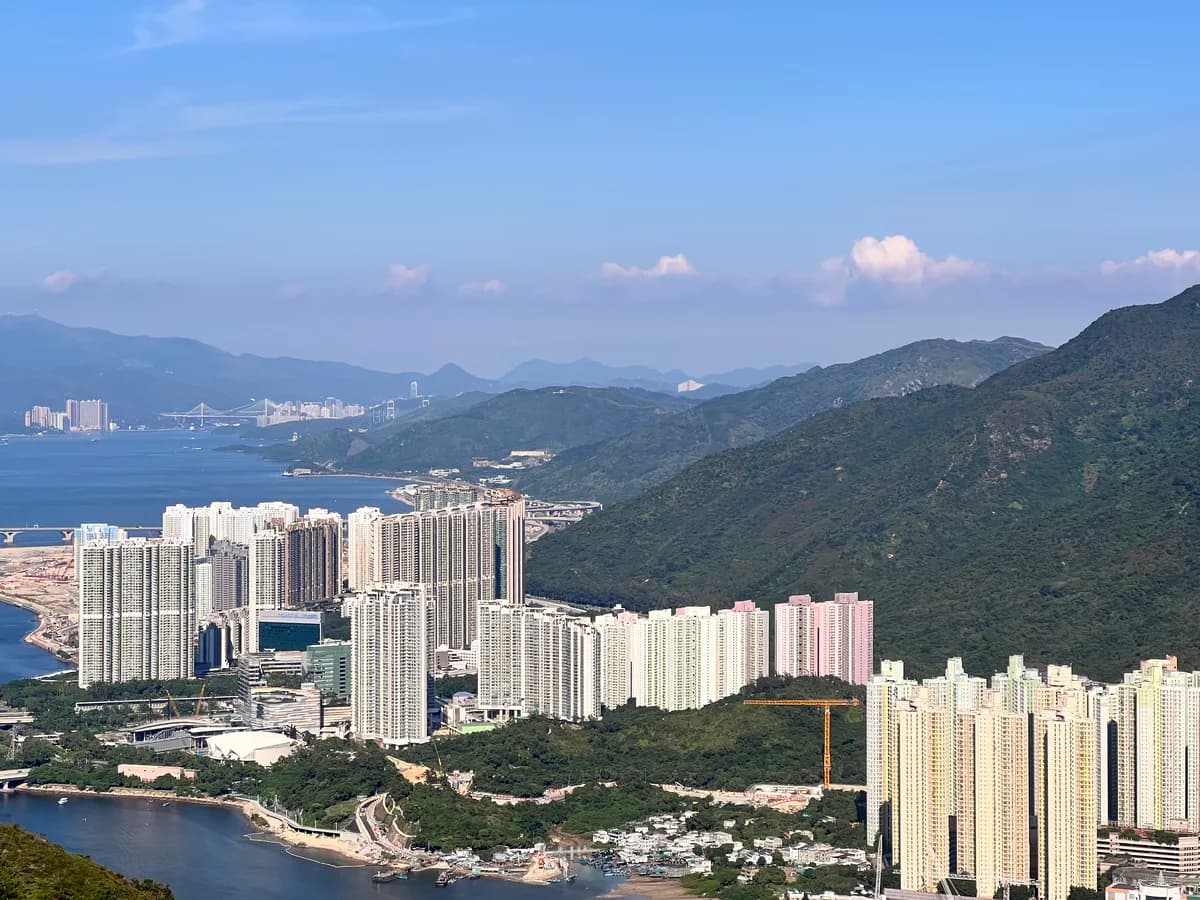
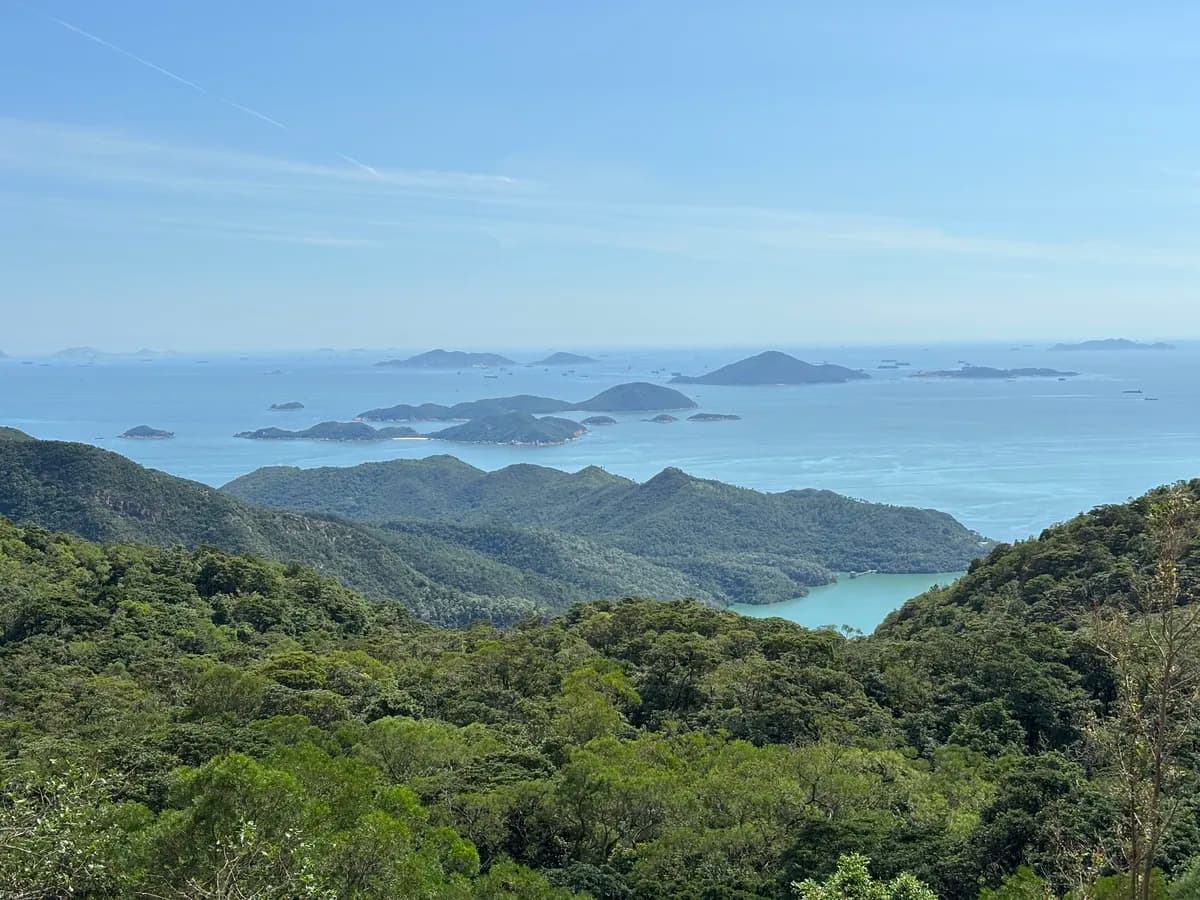
Once you reach Ngong Ping, spend time around the three main sights that are all close to one another:
- Tian Tan Buddha: One of Hong Kong's most iconic landmarks. The climb up is short but rewarding, and the elevated position gives you a broad view over the surrounding landscape.
- Po Lin Monastery: Peaceful, photogenic, and an easy contrast to the energy of the city. Even a brief stop here slows the pace of the day in a good way.
- Ngong Ping Village: Touristy, yes, but useful for food, a coffee break, and a gentle reset before continuing.
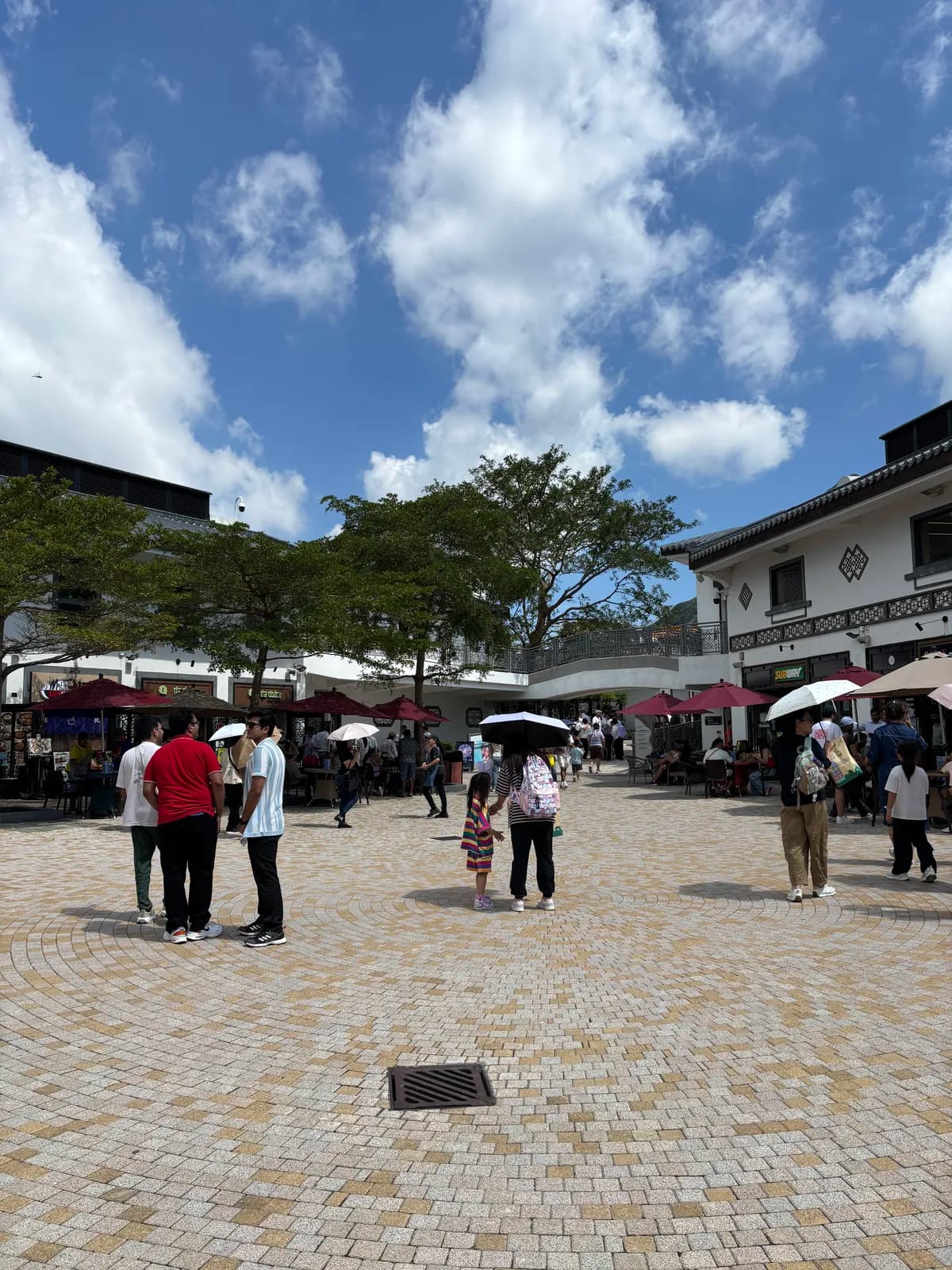
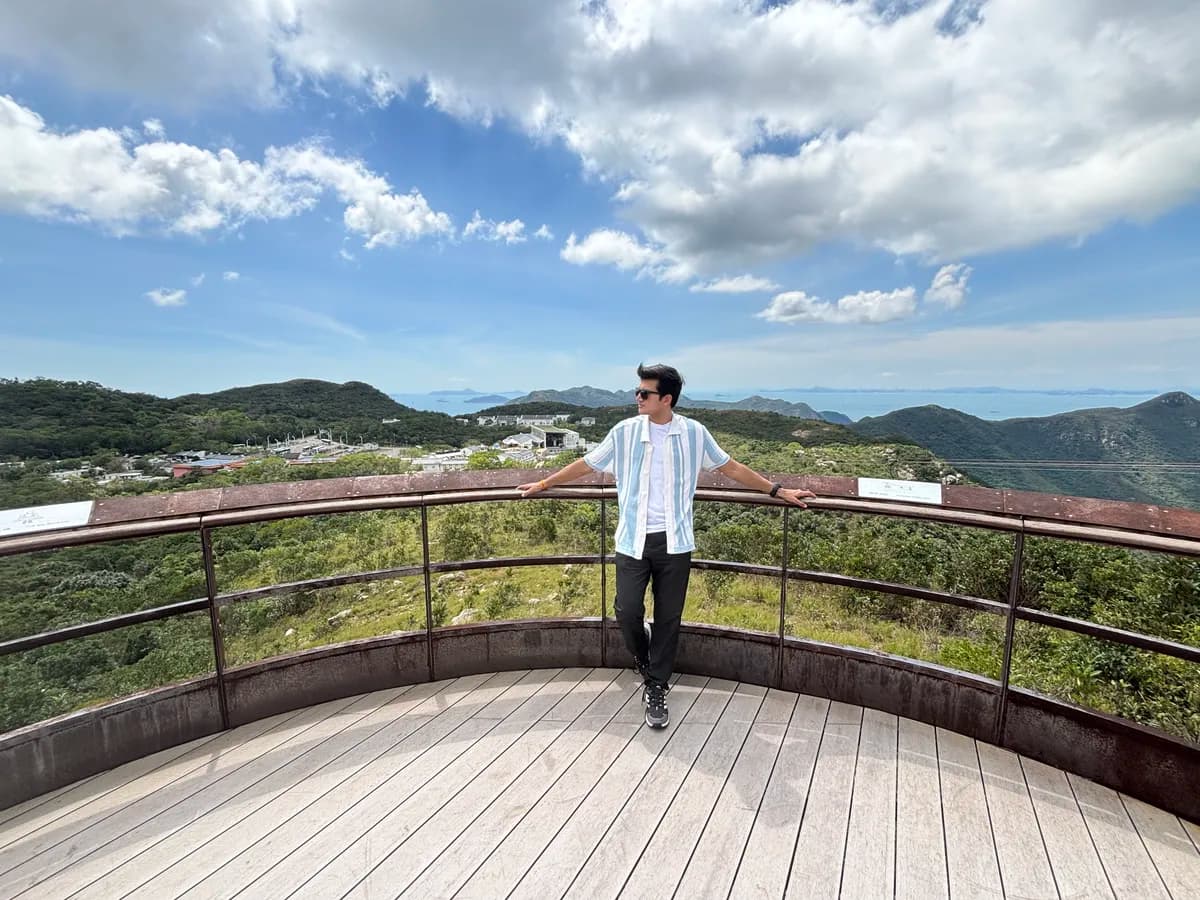
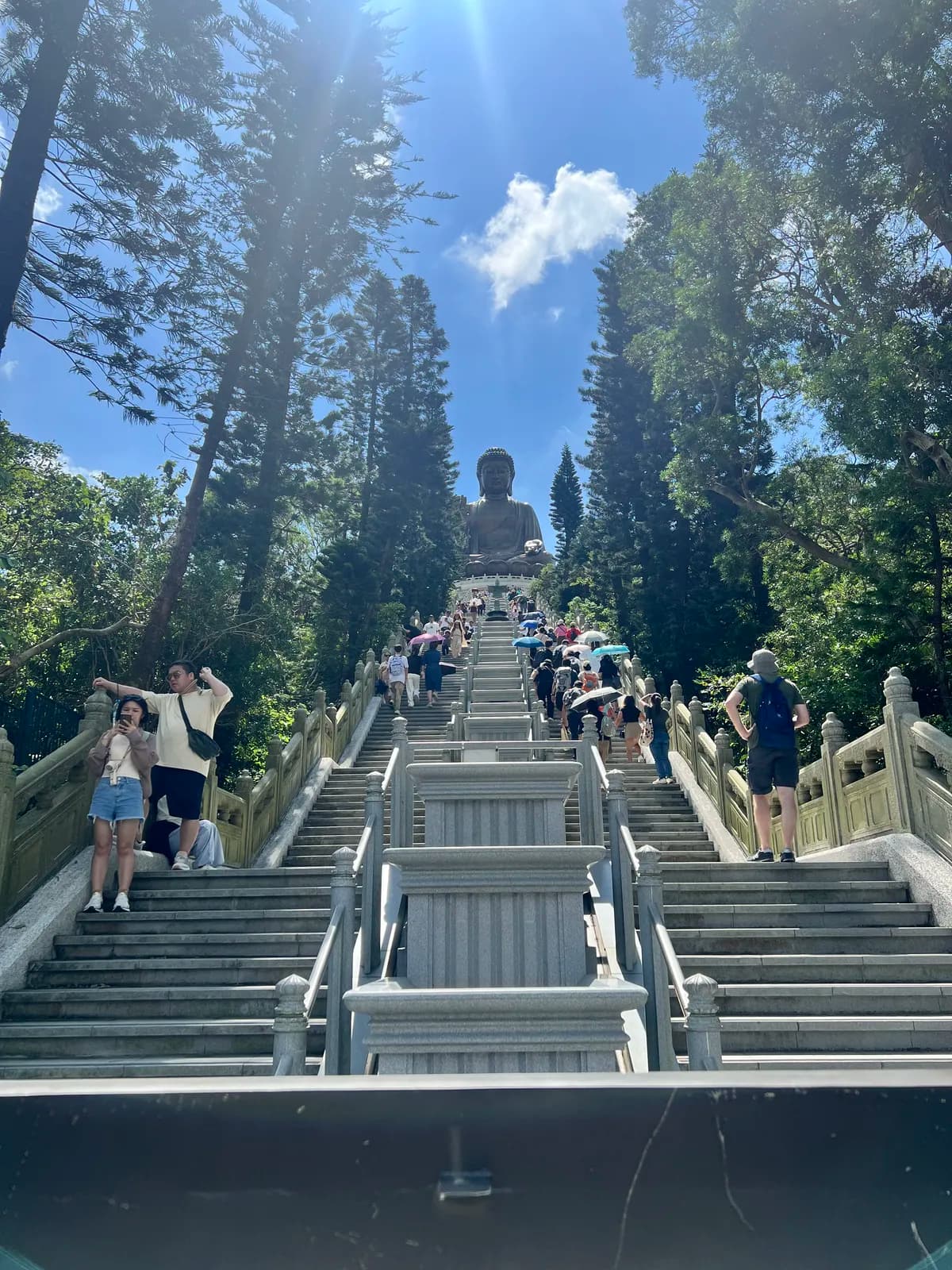
If you still have energy after Ngong Ping, continue to Tai O, the traditional fishing village on the western side of Lantau. This is a great addition for a 3-day itinerary because it adds something genuinely different: stilt houses, seafood stalls, narrow lanes, and a more old-school local atmosphere. You can get there by bus and spend a couple of relaxed hours walking around.
Return to the city in the evening. Keep dinner simple and use the night to rest a little - Day 3 works best if you still have energy for wandering and market exploration.
Day 3 - Kowloon Neighborhoods, Markets & Final Views
Spend your last full day on the Kowloon side, where Hong Kong feels denser, noisier, and more local. This is the day for street life, casual food stops, shopping streets, and a final round of harbour views before the trip ends.
Start in Mong Kok, one of the busiest districts in the city. This is a good place to experience the pace of Kowloon - signboards overhead, narrow sidewalks, market lanes, snack shops, and nonstop movement. Depending on your interests, you can browse the shopping streets, stop for milk tea or pineapple bun, or simply walk without a fixed list.
Later, continue south through Yau Ma Tei and Jordan. Temple Street is especially worth a look toward late afternoon and evening, when the district becomes more lively. If you want a calmer contrast, you can also spend part of the afternoon at the West Kowloon Cultural Districtor along the waterfront before dinner.
For your final evening, you have two strong options. The classic choice is to return to the harbourfront around Tsim Sha Tsui for one last skyline walk. If you want to end the trip on a more elevated note, book a drink at Ozone in The Ritz-Carlton, where the views stretch dramatically across Victoria Harbour and the city beyond.
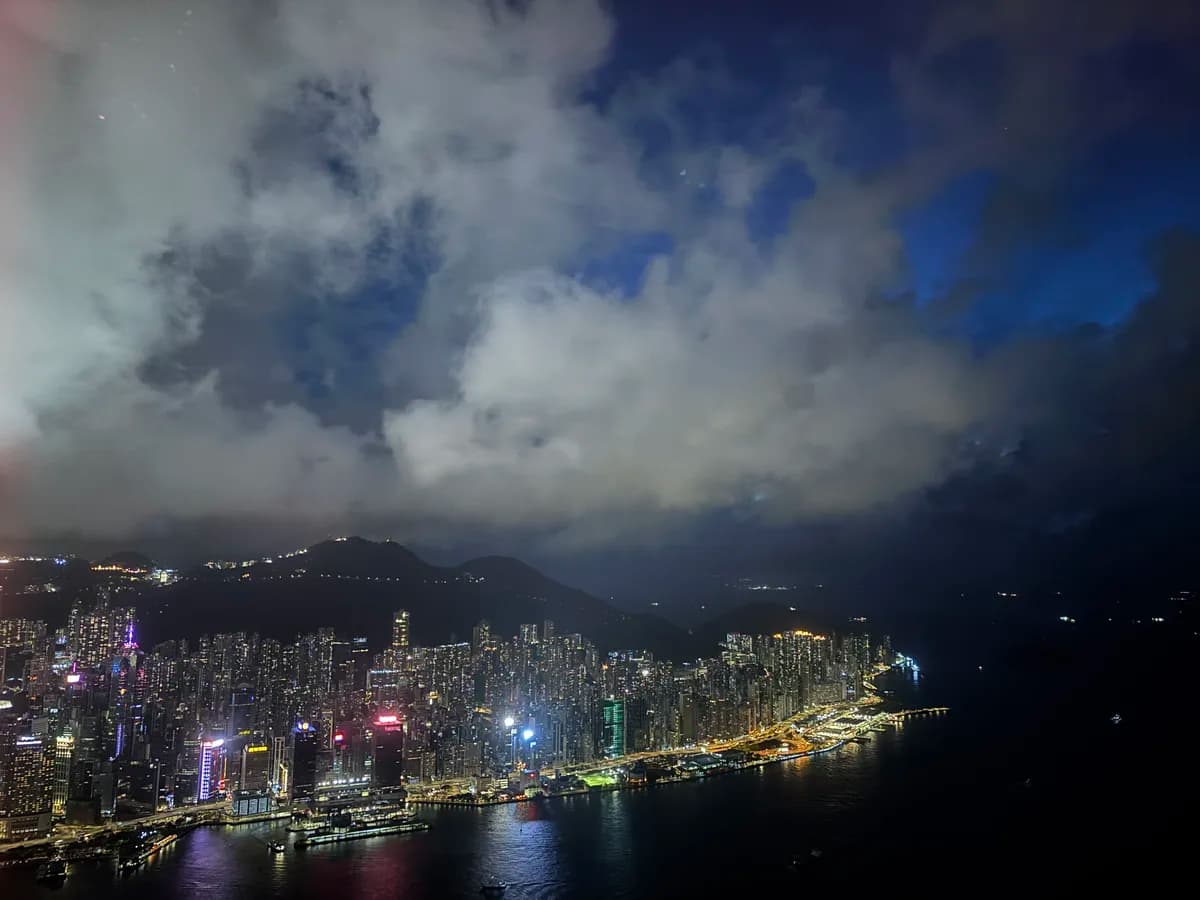
That final night is a good moment to reflect on why Hong Kong works so well even as a short break: in just three days, you can move from temples to towers, from island cable cars to harbour ferries, and from quiet monasteries to neon-lit market streets.
Appendix
Best Areas to Stay for a 3 Day Trip
- Tsim Sha Tsui: Best for first-time visitors who want easy harbour access, lots of food options, and fast MTR connections.
- Central / Sheung Wan: Ideal if you enjoy cafes, nightlife, and being close to Hong Kong Island's most iconic urban areas.
- Causeway Bay: A strong choice if shopping and transport convenience matter more than being right on the waterfront.
What to Book in Advance
- Peak Tram: Worth pre-booking if you want to go up close to sunset or on weekends.
- Ngong Ping 360: Helpful to book early during peak travel periods, especially if the weather forecast is good.
- Airport Express or eSIM: Not essential, but both can make arrival day much smoother if you prefer having things sorted in advance.
If you have an extra day, that is the point where it makes sense to add Disneyland, a hike, a beach, or even a Macau extension. But for only 3 days, the itinerary above gives you a more balanced and more distinctly Hong Kong experience.
Get in Touch
I'd love to hear from you whether it's to share your travel stories, ask for tips, or just say hello!