Hong Kong is one of those trips that blend fast-paced city life with cultural exploration. I spent six days here, arriving on a Wednesday and leaving the following Monday, with Hong Kong as my base for the entire trip. While most travelers combine Hong Kong with multiple Asian destinations, I chose to slow down and explore it more deeply, with a day trip to Macau adding another layer to the experience.
A little bit about Hong Kong — it's a compact city where glass skyscrapers, historic temples, lively street markets, and green hiking trails exist side by side. Because of its small size and excellent public transport, most major areas can be explored comfortably within a few days.
Quick Summary: Planning Your Trip
Oct - Dec
Lowest humidity and clearest skies for views.
Central / TST
Best bases for exploring all main districts.
Octopus Card
Essential for seamless MTR and bus travel.
Macau
Only 1 hour away via high-speed ferry.
Disneyland
Compact park that fits easily into a week.
Victoria Peak
The iconic sunset and night skyline spot.
This post contains affiliate links. When you click these links I may get a small commission at no extra cost to you, but it does help me run this website.
This 6-day Hong Kong itinerary is designed to cover the city's most iconic experiences, from its famous skyline and harbour views to hilltop lookouts, theme parks, and island escapes. It combines city exploration across Hong Kong Island and Kowloon with quieter moments on Lantau Island, along with a day trip to nearby Macau for its unique blend of Chinese and Portuguese heritage. The plan balances sightseeing, food, and attractions while making the most of Hong Kong's efficient transport network.
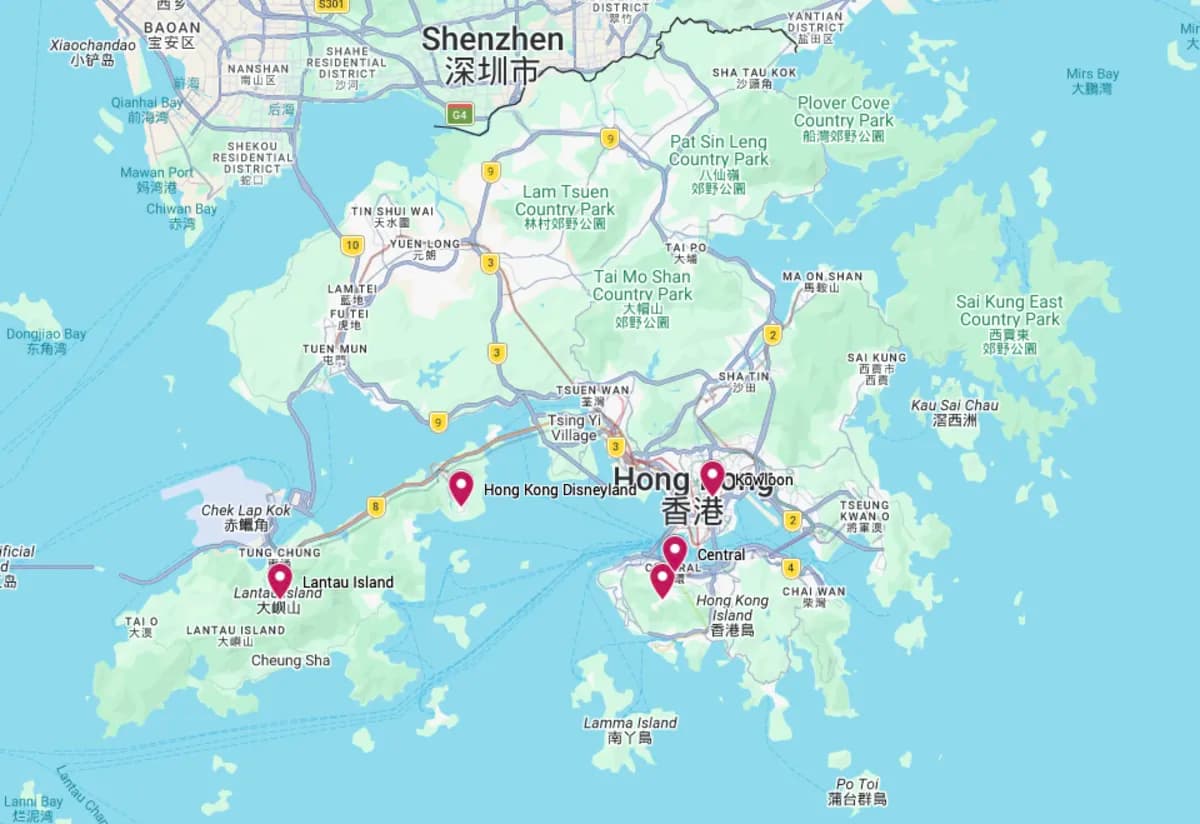
If you're looking to explore beyond this structured itinerary, here's a curated list of best things to do in Hong Kong that covers additional experiences like scenic viewpoints, cultural spots, local markets, and unique attractions across the city. It's a great way to customize this itinerary based on your interests or extend your trip further.
You can find the hotels in which we stayed in the Appendix section of this itinerary. Alternative accommodation options are listed in the Appendix section for those who want to explore more choices.
Table of Contents
- Best time to Visit Hong Kong
- Transportation in Hong Kong
- How many Days in Hong Kong?
- Additional Details
- Hong Kong Trip Route Overview (Areas Explained)
- Day 1 - Arrival & Lantau Island
- Day 2 - Disneyland
- Day 3 - Hong Kong Island & Victoria Peak
- Day 4 - Macau Day Trip
- Day 5 - Kowloon Island & Other Attractions
- Day 6 - Departure
- Appendix
- Get In Touch
Best Time to Visit Hong Kong
Autumn (October - December): Widely considered the best time to visit Hong Kong. The weather is comfortable, humidity drops, and skies are often clear, making it perfect for sightseeing, harbour views, and outdoor hikes.
Winter (January - February): Cooler and relatively dry, though rarely very cold. Some days can feel slightly cloudy, but overall it remains a good time to visit.
Spring & Summer (March - September): Warmer, more humid, and prone to rain. Spring brings increasing humidity and occasional showers, while summer can be hot with frequent rain and the possibility of typhoons.
For a deeper dive into weather patterns and the best months to plan your trip, check out my dedicated guide: Best Time to Visit Hong Kong: Weather and Travel Tips.
Transportation in Hong Kong
Hong Kong has one of the most efficient public transportation systems in the world. The city is compact and extremely well connected by the MTR (metro), buses, trams, ferries, and taxis. Since most attractions are spread across Hong Kong Island, Kowloon, and Lantau Island, getting around is quick and convenient.
Important Things to Know:- The MTR (Mass Transit Railway) is the fastest and most convenient way to travel across the city and connects most major attractions.
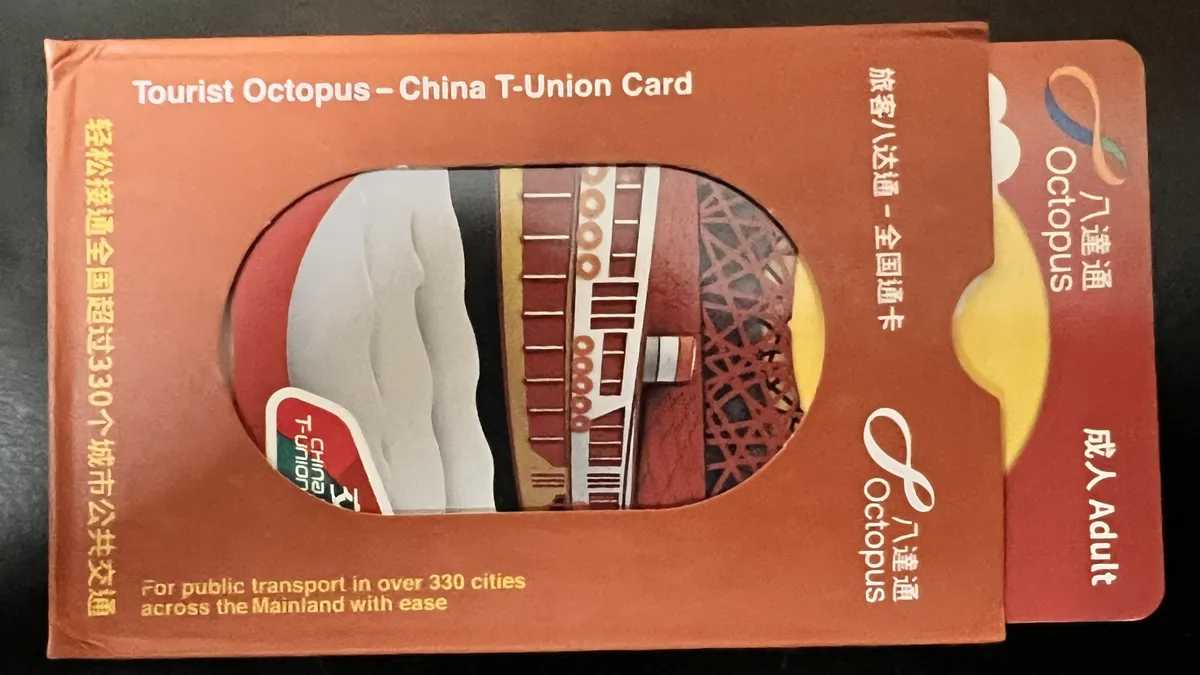
- The Octopus Card is highly recommended. It works on the MTR, buses, ferries, trams, and even many convenience stores, making payments very easy. Octopus card can be recharged at any MTR station, and at any seven eleven store across the city. Do Note that it can only be recharged with CASH and not with card, so make sure to carry some cash with you for recharging the card when needed.
- Ferries are commonly used to cross Victoria Harbour and to reach nearby islands. The Star Ferry between Hong Kong Island and Kowloon is both inexpensive and a classic local experience.
- If you plan to visit Macau, frequent high-speed ferries connect Hong Kong to Macau in about an hour, making it a convenient day trip.
The Octopus Card is a rechargeable smart card used for paying across Hong Kong's public transport network. It works on the MTR, buses, trams, ferries, and even the Airport Express. Instead of buying individual tickets for every ride, you simply tap the card when entering and exiting stations, making travel extremely quick and convenient.
Beyond transportation, the Octopus Card is also accepted at many convenience stores, supermarkets, vending machines, and fast-food chains. You can easily purchase one at the airport or any major MTR station and top it up whenever needed. For most visitors spending a few days in the city, it is the easiest way to move around Hong Kong without worrying about tickets or exact change.
How Many Days Do You Need in Hong Kong?
If you are still deciding how many days to spend in Hong Kong, check out my dedicated guide for a full breakdown of the best duration, and travel planning advice: How Many Days in Hong Kong? A Complete Trip Planning Guide.
Additional Details
- Visa Details: Hong Kong and Macau are both Special Administrative Regions (SAR) of China and have their own visa policies, which are different from mainland China. Many nationalities can enter Hong Kong visa-free for short tourist visits, but requirements vary depending on your passport. If you plan to visit Macau as a day trip, you will go through immigration again when entering Macau and when returning to Hong Kong. Always check the latest visa rules for both Hong Kong and Macau before planning your trip.
- Currency: The currency used in Hong Kong is the Hong Kong Dollar (HKD), while Macau uses the Macanese Pataca (MOP). In many tourist areas of Macau, Hong Kong Dollars are also widely accepted. Hong Kong is a very card-friendly city, and most places accept credit cards or mobile payments. However, it is still useful to carry some cash for street food stalls, local markets, and smaller shops. Convenience stores, restaurants, and transport systems widely accept the Octopus Card as well.
Hong Kong Trip Route Overview (Areas Explained)
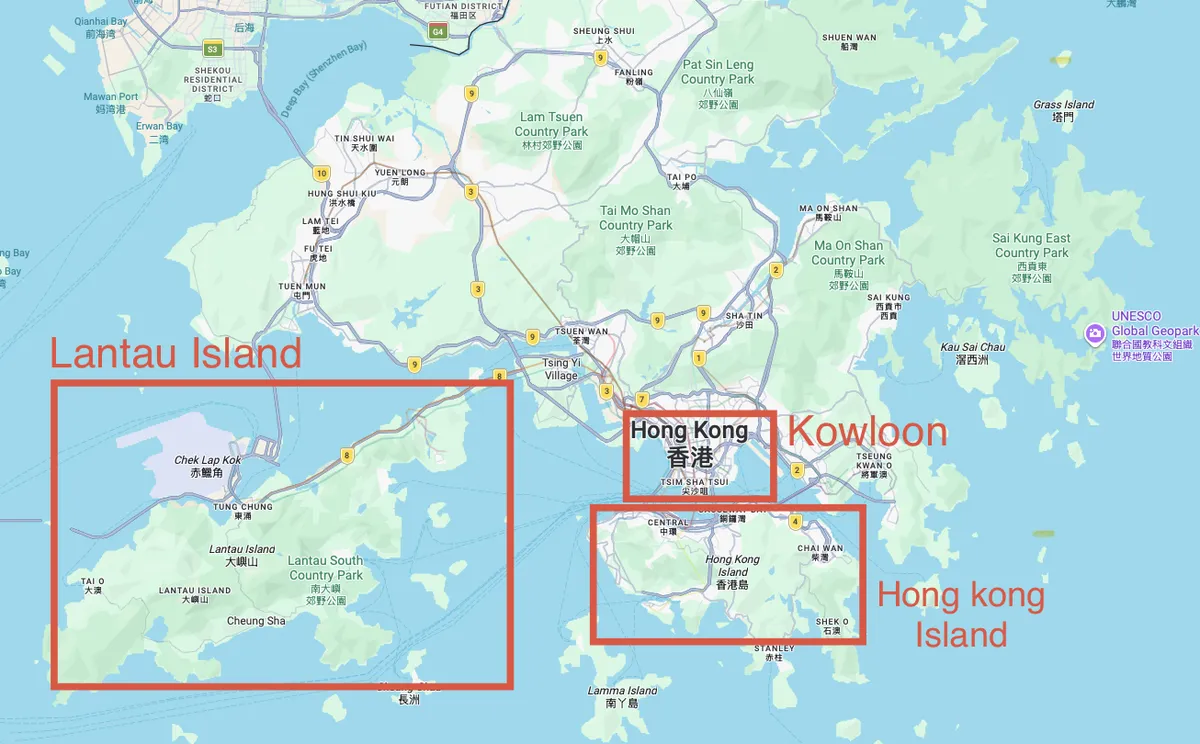
Hong Kong may look like a single city on the map, but it is actually made up of several islands and districts, each offering a different experience. For this itinerary, I based myself in Hong Kong and explored three main areas: Hong Kong Island, Kowloon, and Lantau Island. I also took a day trip to Macau, another Special Administrative Region located about an hour away by ferry.
Hong Kong Island:
This is the financial and commercial heart of the city and home to the famous skyline you often see in photos. Major attractions here include Victoria Peak, the Peak Tram, and Central district.
Kowloon:
Kowloon is known for its dense neighborhoods, vibrant street life, and popular markets. This area includes places like Tsim Sha Tsui, the Avenue of Stars, and Temple Street Night Market.
Lantau Island:
The largest island in Hong Kong and home to some of its biggest attractions. Here you'll find the famous Tian Tan Big Buddha, the Ngong Ping cable car, and Hong Kong Disneyland. The island also has scenic hiking trails that feel very different from the dense city areas.
Macau (Day Trip):
Macau is located about one hour from Hong Kong by high-speed ferry. Once a Portuguese colony, the city is known for its historic center, colonial architecture, famous casinos, and unique mix of Chinese and Portuguese culture.
Let us now dive into the thing you've been waiting for. The itinerary.
Day 1 - Arrival & Lantau Island
Most international flights arrive at Hong Kong International Airport, which is located on Lantau Island. Immigration in Hong Kong is usually efficient, and the entire process including baggage claim typically takes around 45-60 minutes.
For the first two nights of the trip, I recommend staying on the Lantau Island itself. Staying here will save you valuable travel time on the first two days. If your flight arrives later in the day, you can skip Lantau Island on Day 1 and instead explore the Avenue of Stars in main city, following this itinerary from your next day.
Start the day by taking the Ngong Ping 360 Cable Car from Tung Chung MTR station to Ngong Ping Village. Try to reach the cable car station around 10:00 AM, as it tends to get very crowded later in the afternoon. There are two options to buy tickets for cable car : Offline and Online. In this case, buy offline. The reason is simple: the vast majority of visitors to Ngong Ping buy their cable car tickets online, but don't realise that what they're actually buying is a voucher. Once they arrive, they'll need to queue to exchange said voucher for a ticket. The problem is: because everybody has a voucher, the queues are so much longer than the ones for buying a ticket on the spot!
The cable car ride itself is one of the highlights of visiting Lantau. The 25-minute journey offers incredible views of Lantau Island, the South China Sea, the airport runways, and the surrounding green mountains.
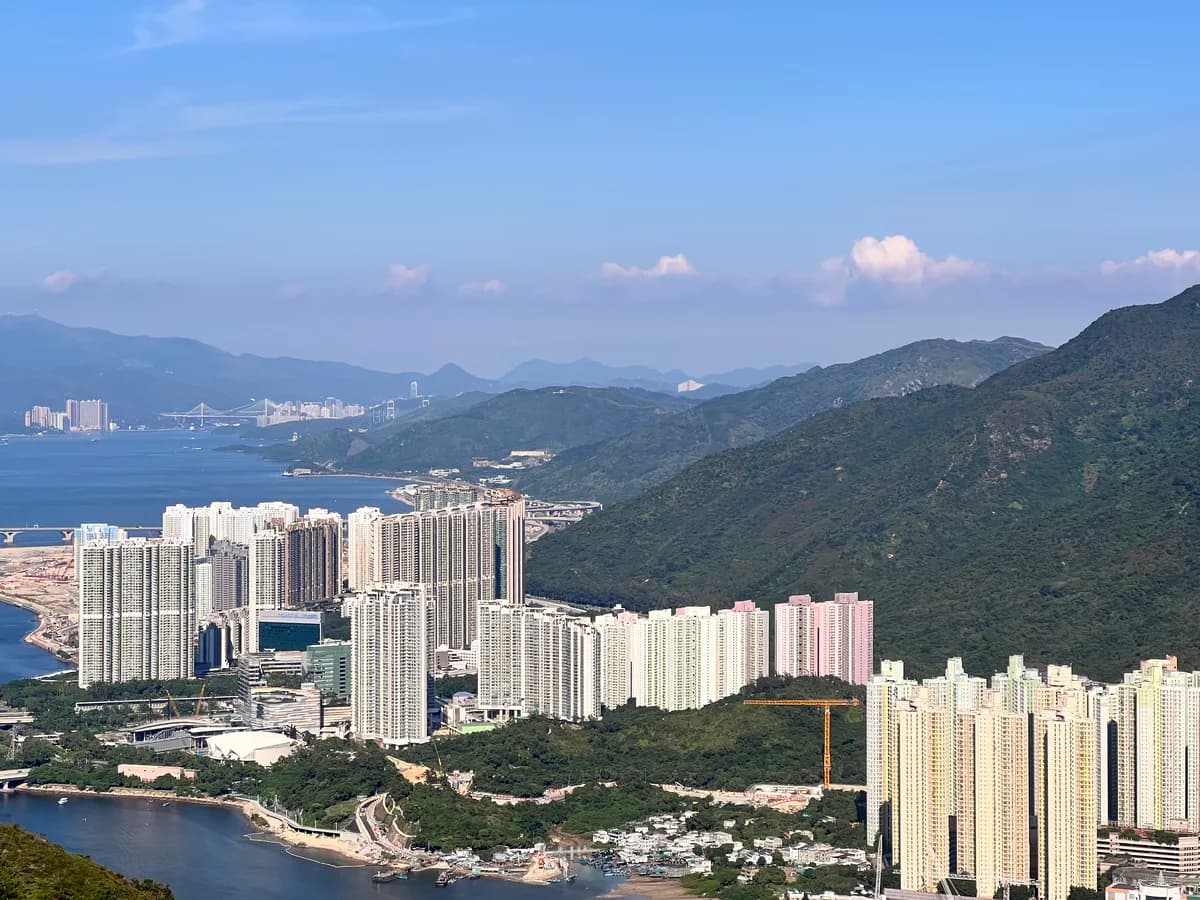
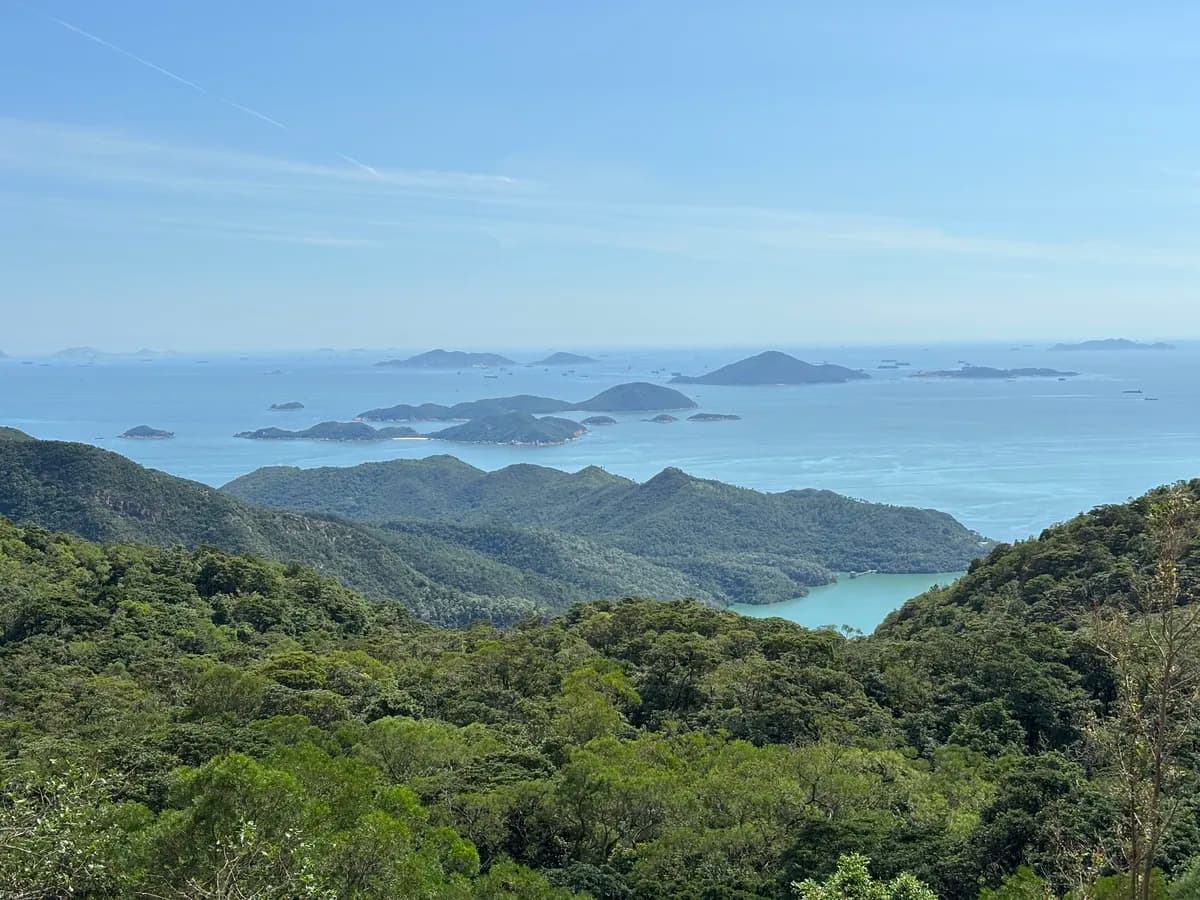
Once you arrive at Ngong Ping Village, there are several attractions within walking distance that can easily fill the next few hours.
- Ngong Ping Viewing Platform: The viewing platform offers a fantastic panoramic perspective of the entire Ngong Ping plateau. From here you can clearly see the Big Buddha, Po Lin Monastery, Ngong Ping Village, and even the cable cars slowly gliding across the mountains. It's a great spot for photos and for getting a sense of the entire area.
- Tian Tan Buddha (Big Buddha): The Tian Tan Buddha is the most iconic landmark on Lantau Island. The massive bronze statue sits on top of a hill and requires climbing around 260 steps to reach the base. The climb is well worth it, as the views from the top stretch across the mountains of Lantau and the surrounding countryside. The peaceful atmosphere around the statue makes it one of the most memorable places in Hong Kong.
- Po Lin Monastery: Located directly opposite the Big Buddha, Po Lin Monastery is one of Hong Kong's most important Buddhist sites. Originally founded in 1906 and officially named Po Lin Monastery in 1924, the complex features beautiful temple buildings, incense-filled courtyards, and traditional Chinese architecture.
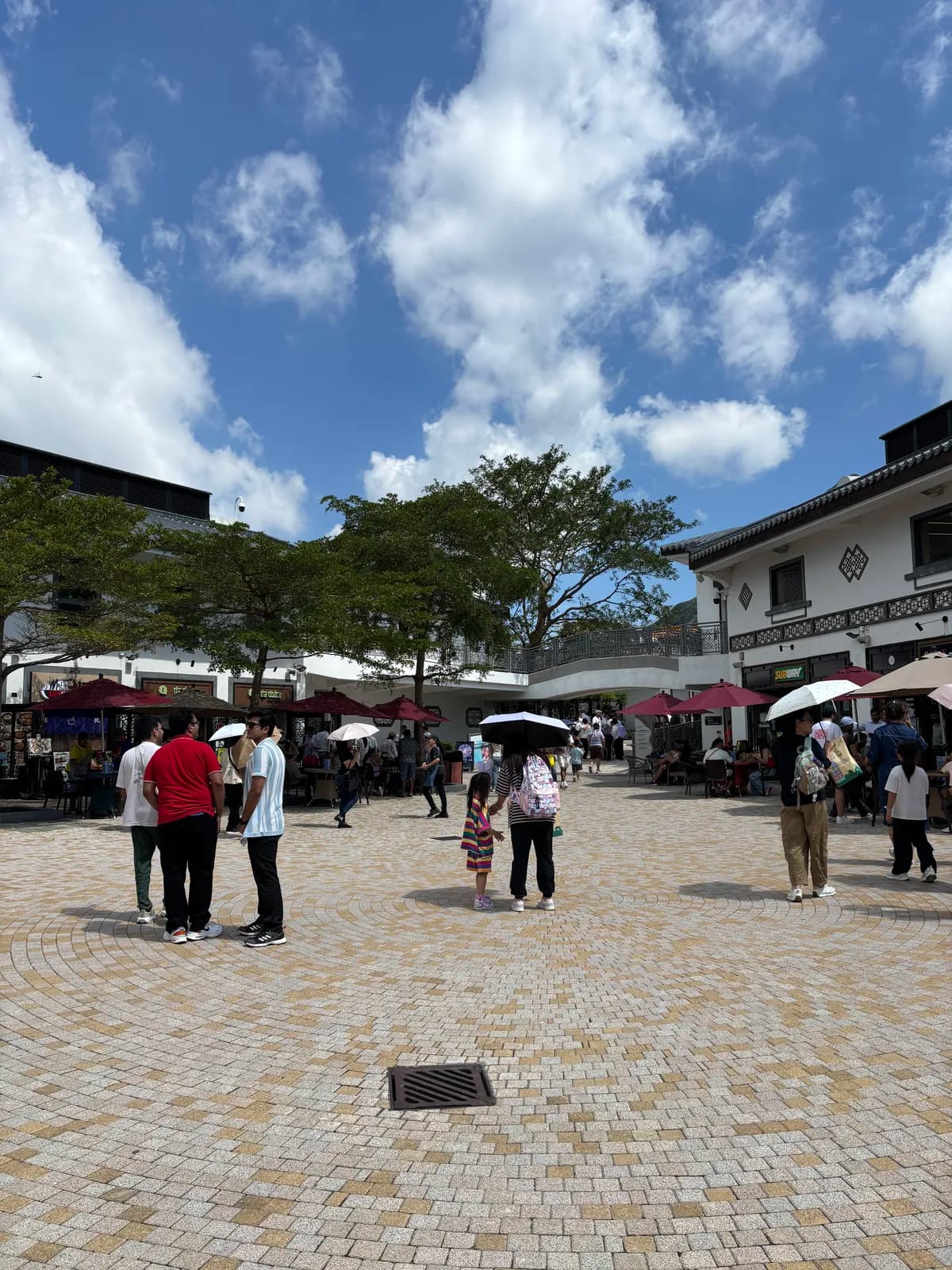
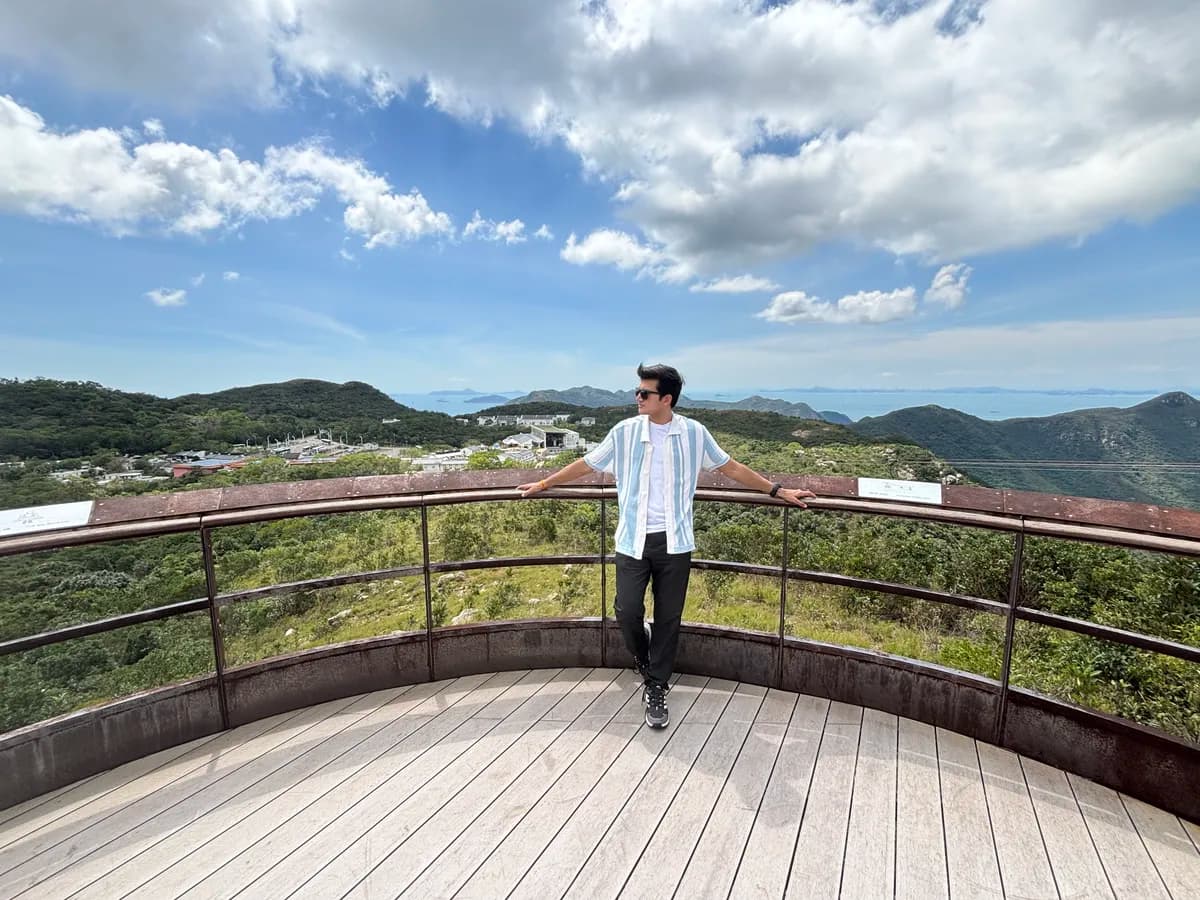
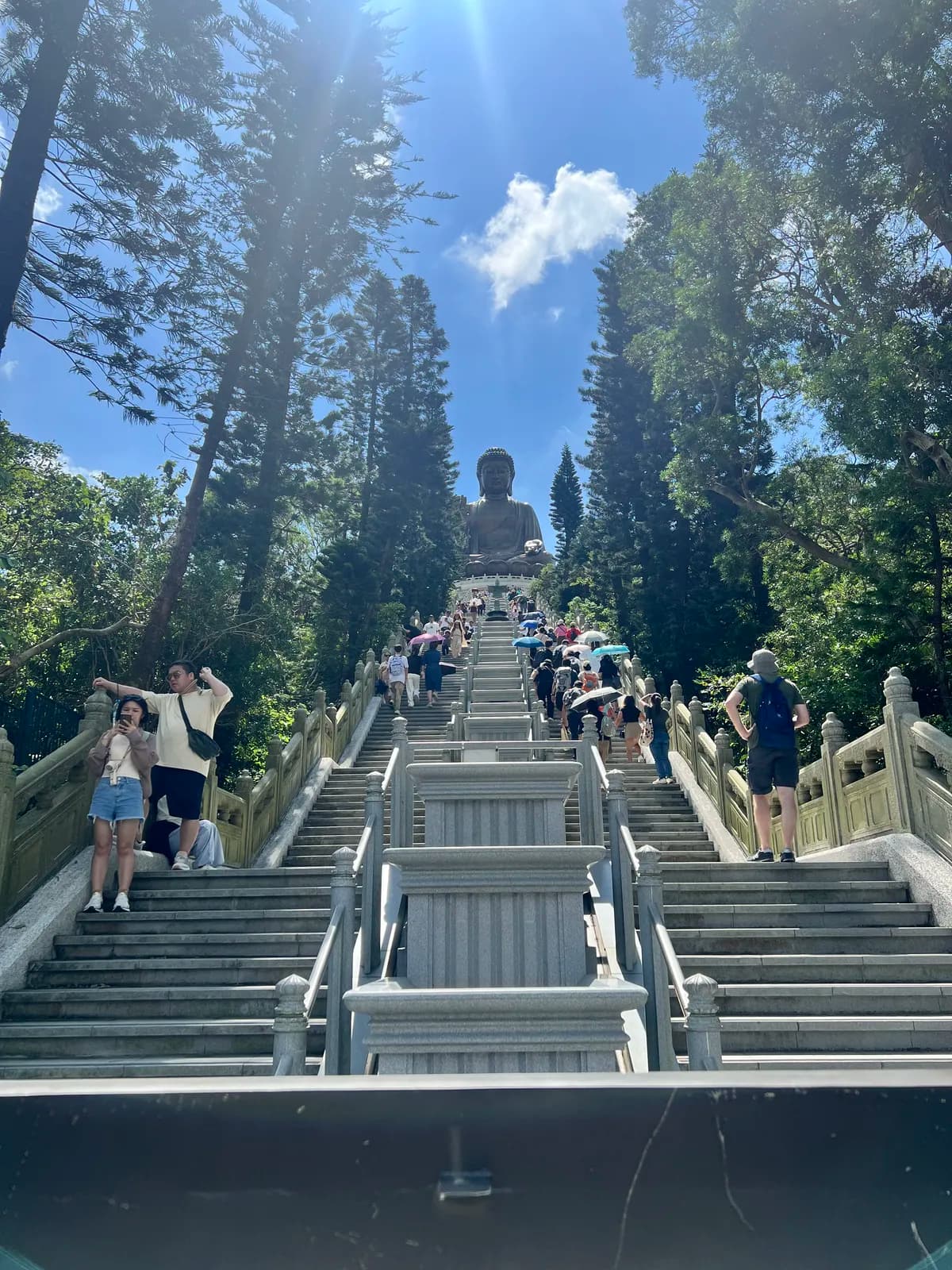
Exploring Ngong Ping Village, visiting the Big Buddha, and taking the cable car ride typically takes around 5-6 hours in total. After finishing the Lantau Island exploration, return to the hotel rest for a bit, and then head out again in the evening for the views of the famous skyline.
Around 6:00 PM, head to the Avenue of Stars in Tsim Sha Tsui for first proper view of the famous Hong Kong skyline. The waterfront promenade offers one of the best vantage points to see the skyscrapers of Hong Kong Island across Victoria Harbour.
Since we were visiting on October 1st, which coincides with China's National Day celebrations, there were fireworks scheduled over Victoria Harbour that evening. As expected, the waterfront area was extremely crowded, but everything was very well organized and managed by the Hong Kong authorities. Watching the fireworks light up the skyline was an incredible experience and a memorable way to end our first day in the city.
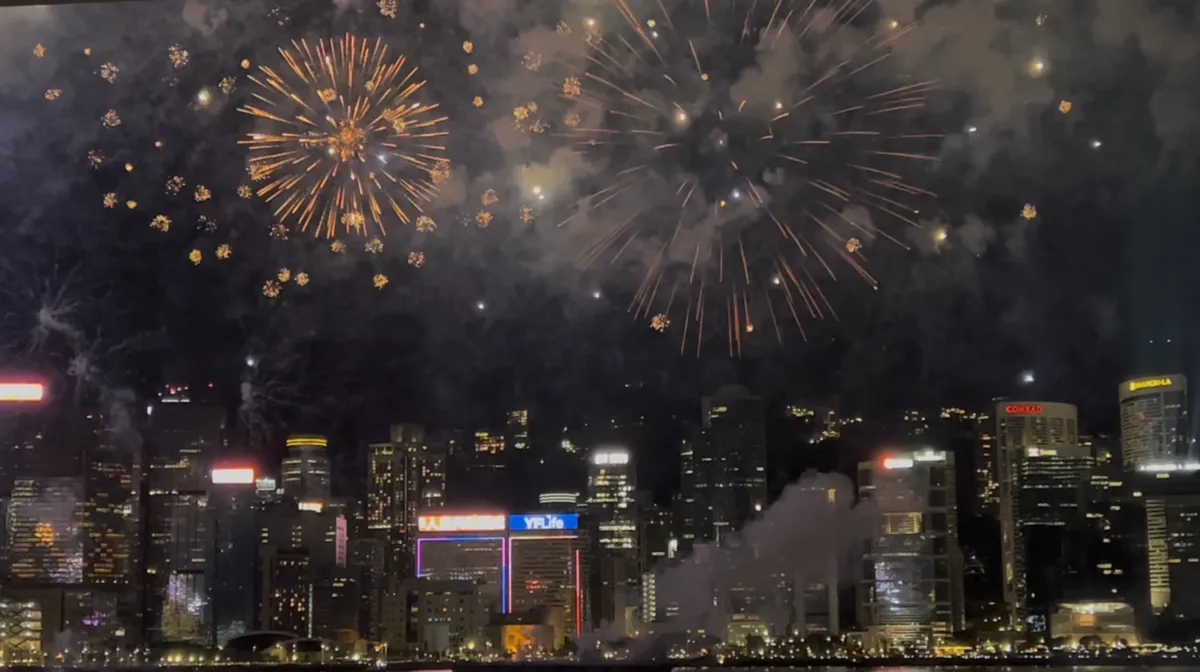
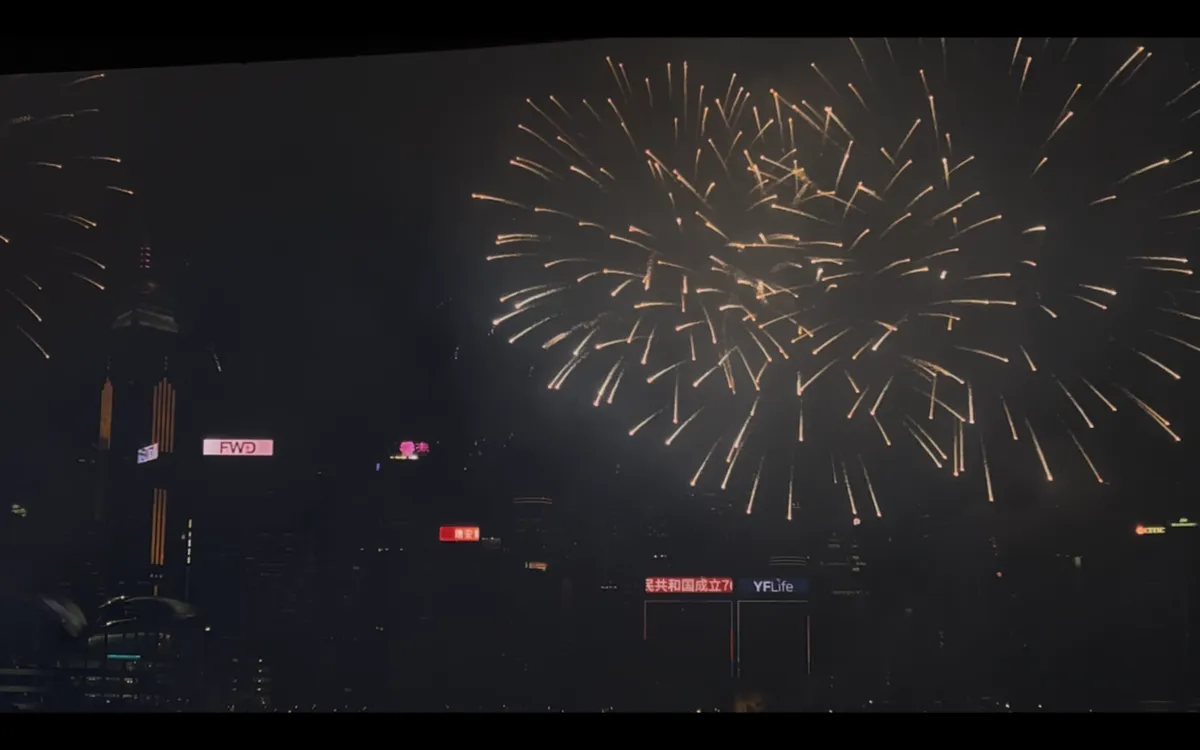
Despite the early flight, it turned out to be a perfect start to the trip. We were able to experience both the peaceful side of Hong Kong on Lantau Island and the vibrant energy of Victoria Harbour at night — a great introduction to the city.
Day 2 - Disneyland
On Day 2, we planned to visit one of the most famous highlights of Lantau Island — Hong Kong Disneyland. Irrespective of whether you are an adult or a child, Disneyland is always an unforgettable experience. Anyone who has visited any of the disney parks knows exactly what I mean. In this itinerary, I'll briefly talk about our visit and how we planned the day. For a more detailed guide on how to cover all the rides strategically, checkout my HK Disneyland guide: Hong Kong Disneyland Complete Guide (2026)
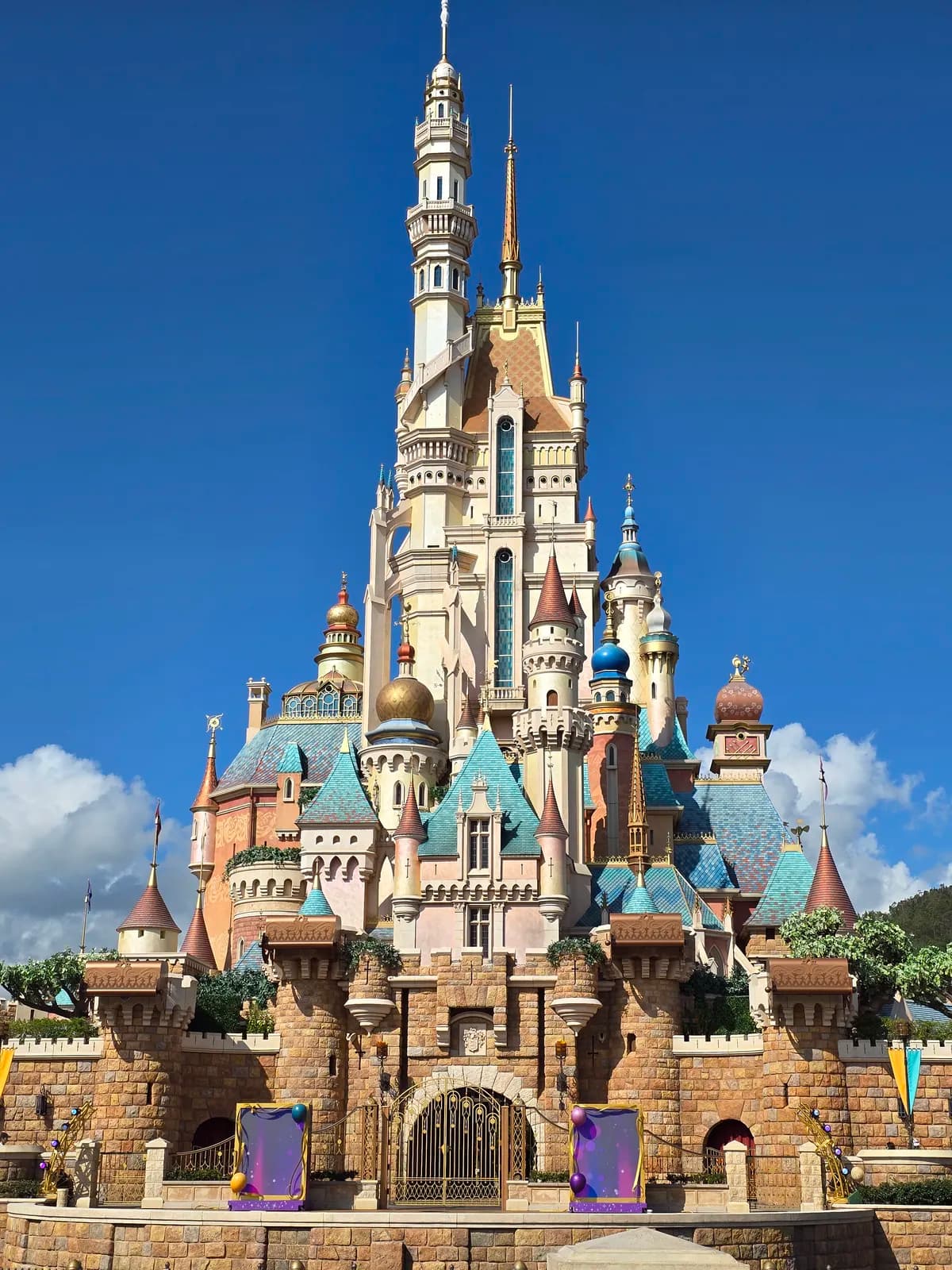
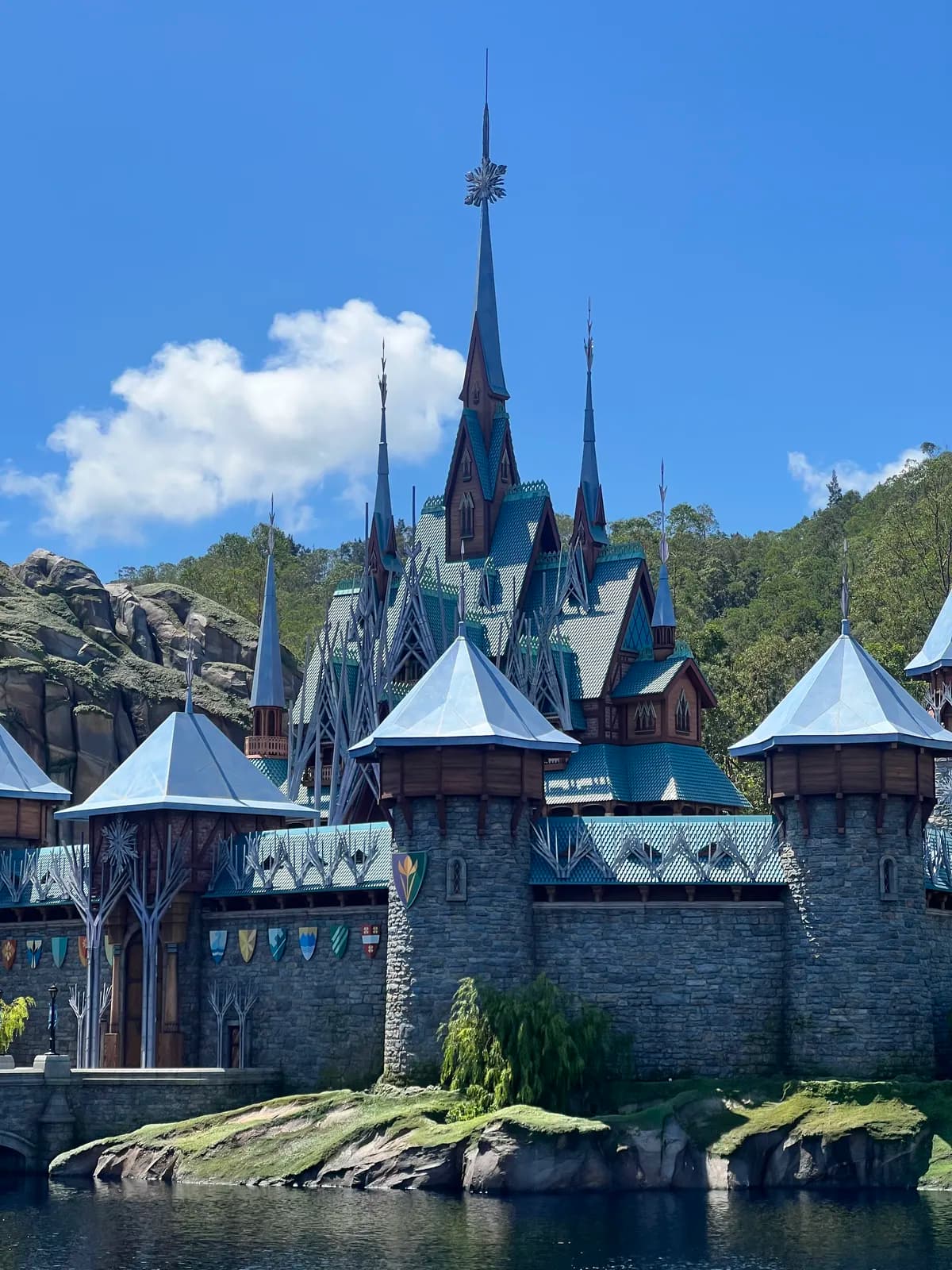
Ticket prices at Hong Kong Disneyland follow a tiered system depending on how busy the park is expected to be. Higher tiers usually correspond to weekends, holidays, and peak travel periods. When we visited, the park was operating at the highest pricing tier. Despite the expected crowds, we managed to cover most of the major attractions by around 3:00 PM without purchasing any of the priority ride passes.
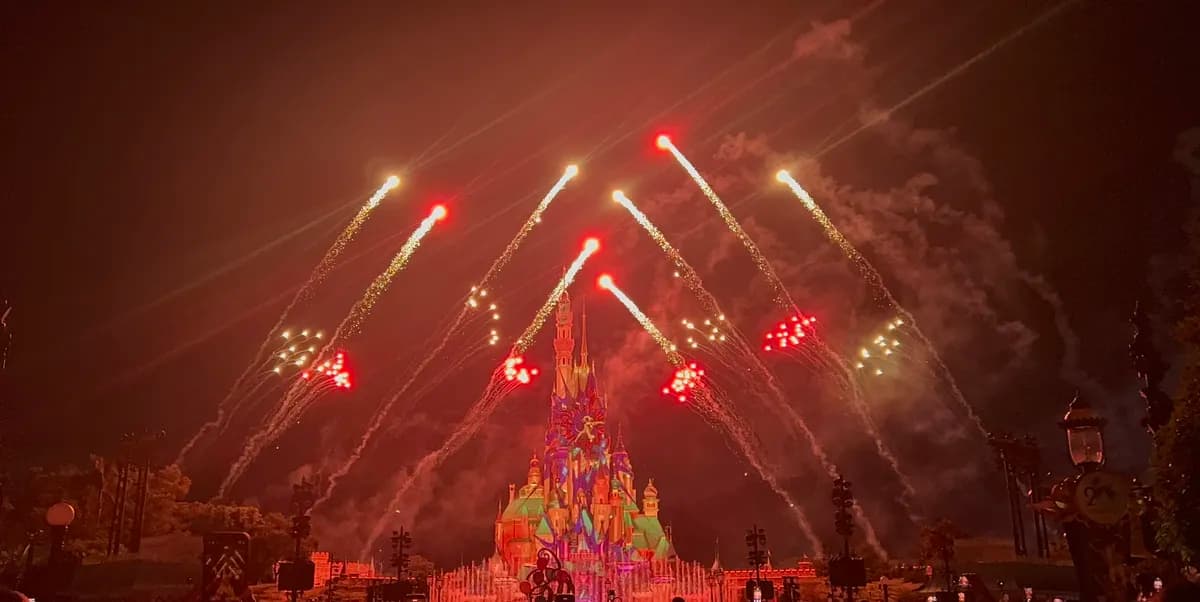
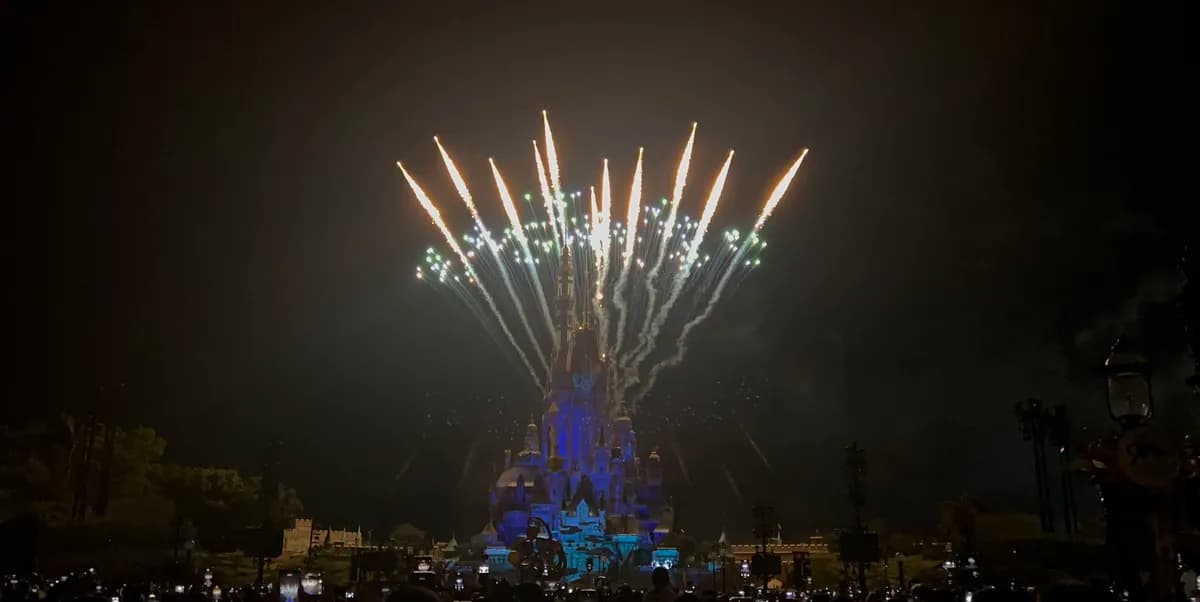
One strategy that helped us a lot was buying the Early Entry Pass. The park normally opens at 10:00 AM, but this pass allows visitors to enter an hour earlier. During this early access window, only a limited number of areas and rides are open, but it still gives you a big advantage before the crowds arrive. We used this time to explore some of the newer themed areas and enjoy a few popular attractions with minimal waiting time. By the time the park officially opened to everyone, we had already completed several rides and could move through the rest of the day at a relaxed pace.
You can create an account, check ticket availability, and purchase both park tickets and add-ons through the official website here: hongkongdisneyland.com
Day 3 - Hong Kong Island & Victoria Peak
After a long but exciting day at Disneyland, keep the morning relaxed. Wake up at your own pace, enjoy breakfast at the hotel, and head out once you are well rested. The main highlight for today is watching the sunset from Victoria Peak, followed by the spectacular night time skyline of Hong Kong. If you want to utilize the first half of the day as well, consider exploring Causeway Bay or visiting LANDMARK Mall for some shopping.
For us, this was also hotel transfer day. We had stayed at the Hong Kong SkyCity Marriott for the first two nights near the airport, so we checked out and moved to Royal View Hotel. This hotel is closer to the main city area, which made it easier to commute to both Kowloon and Hong Kong Island. After checking in and taking a short break, we left the hotel around 2:00 PM to explore Hong Kong Island.
Once you reach Hong Kong Island, head straight to the Peak Tram. This historic tram takes you up to Victoria Peak in about 8 minutes and climbs at a surprisingly steep angle, which makes the ride an experience in itself. While there are other ways to reach the peak, the tram is easily the most iconic.
If you have an Octopus Card, you can skip the ticket purchase queue, but you may still need to wait for the tram itself. On weekends or clear evenings before sunset, the line can easily stretch to 1-2 hours. An alternative option is Bus 15, a double-decker bus from Exchange Square that costs around 10 HKD and takes about 40-60 minutes. Taxis are the fastest option (around 20 minutes) but significantly more expensive.
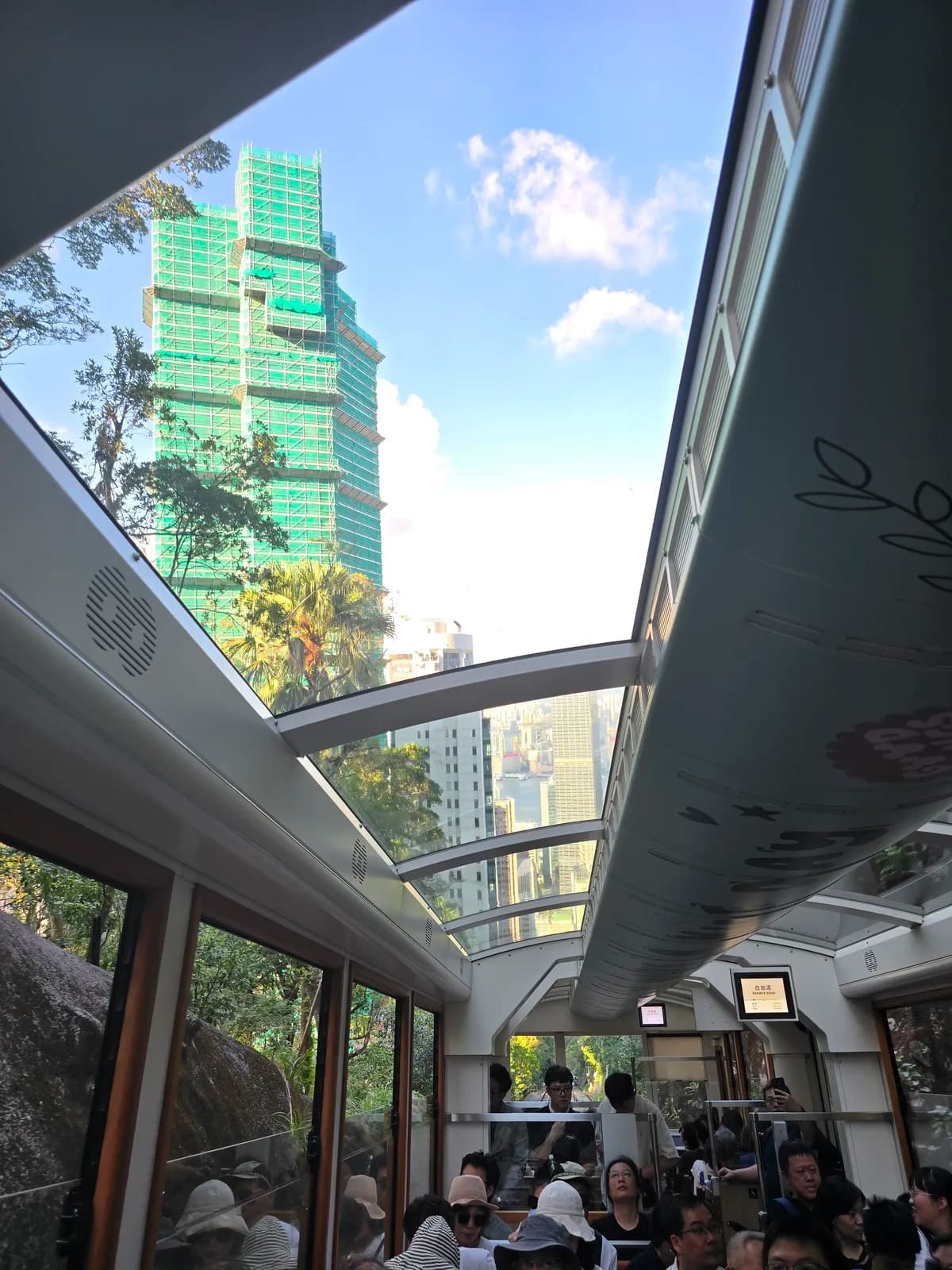
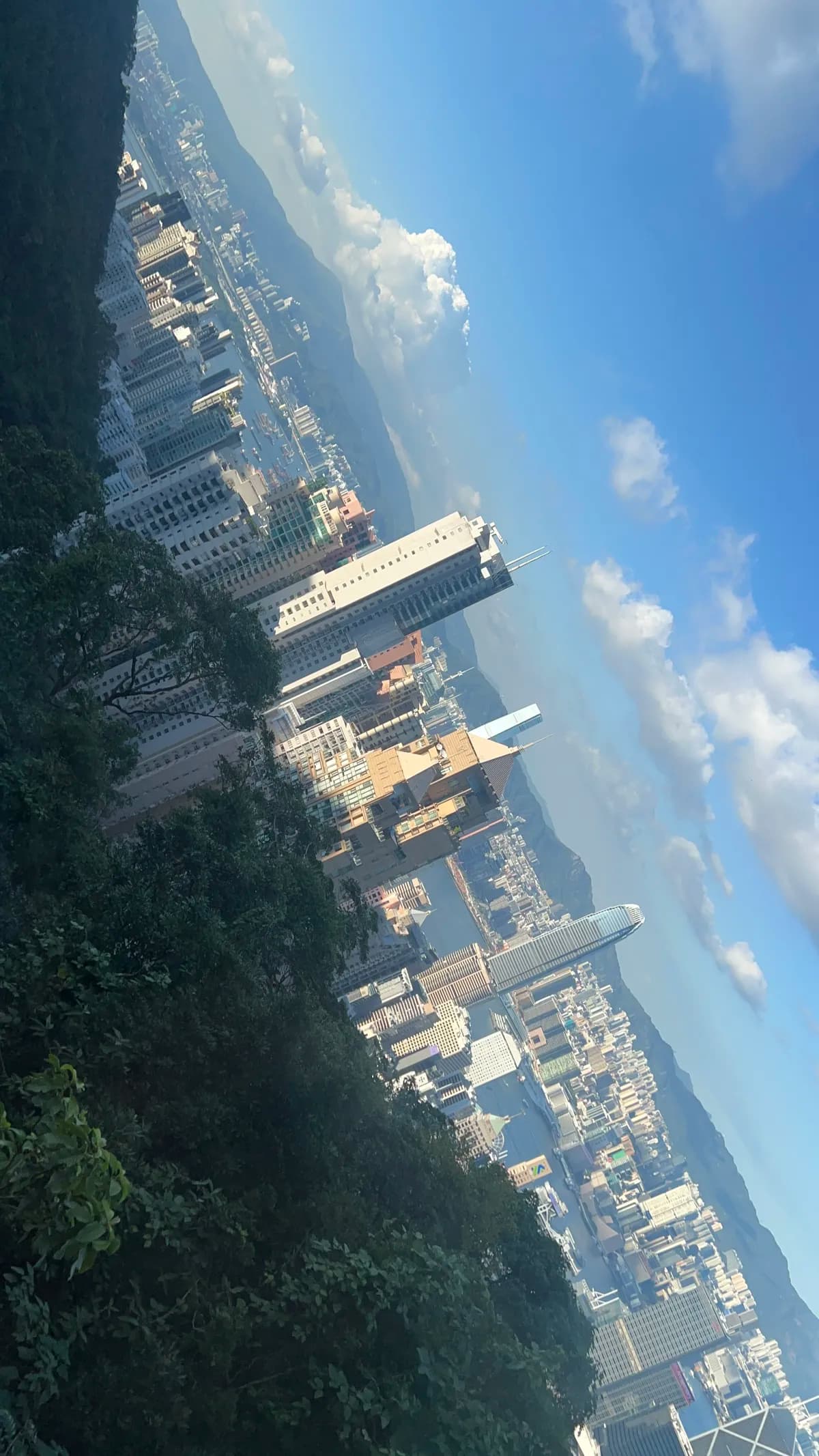
We bought our tickets directly at the counter and eventually opted for the fast-track combo ticket, which allowed us to skip the main tram queue and also included access to the Sky Terrace.
Once at the top, start by visiting Lion’s Pavilion (searchable on Google Maps). It is a free viewing spot and therefore usually quite crowded, but it offers a great first view of the Hong Kong skyline. After spending some time there, walk along Lugard Road — a scenic path that circles around the peak and offers multiple viewpoints of the city.
The full Lugard Road loop is about 3.8 km and can easily take over an hour if you stop for photos along the way. We explored only a part of the trail before heading back toward the Sky Terrace in time for sunset.
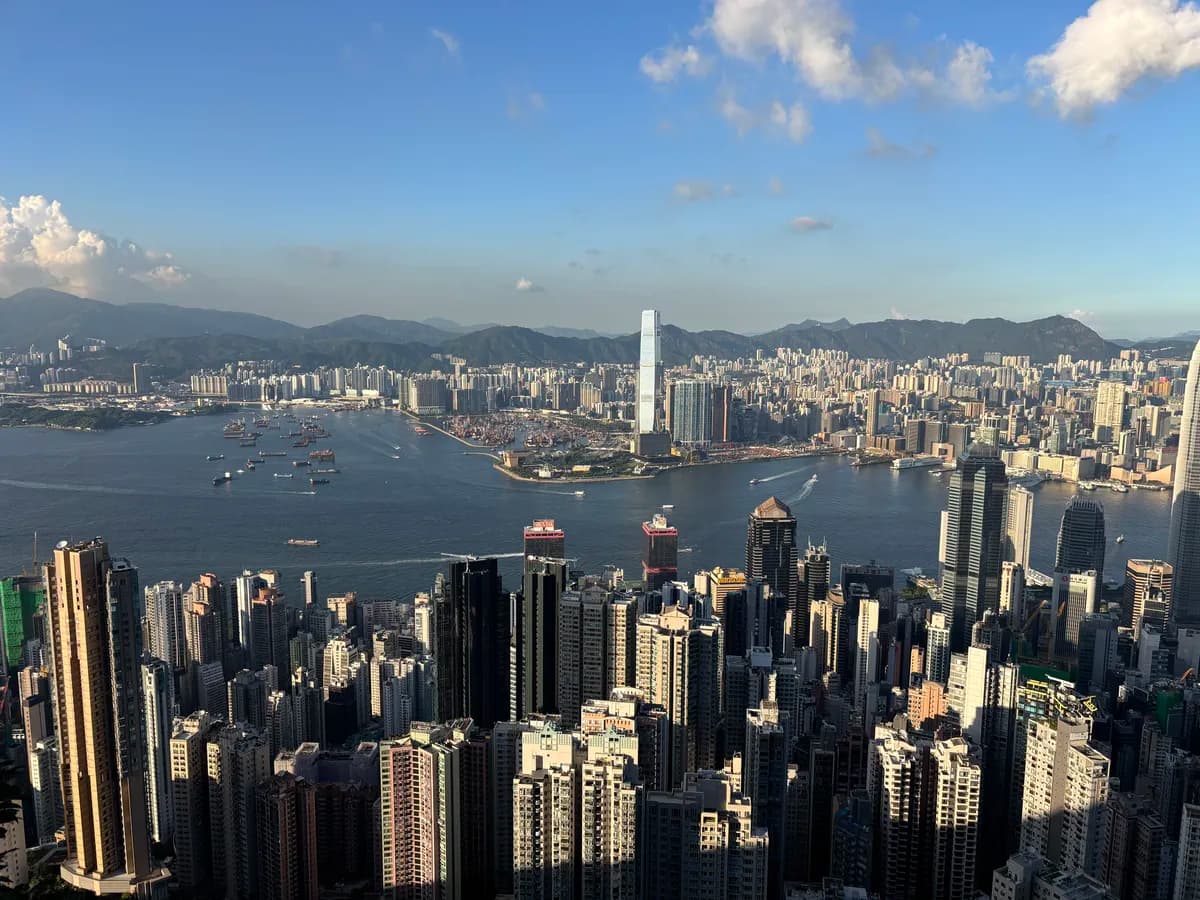
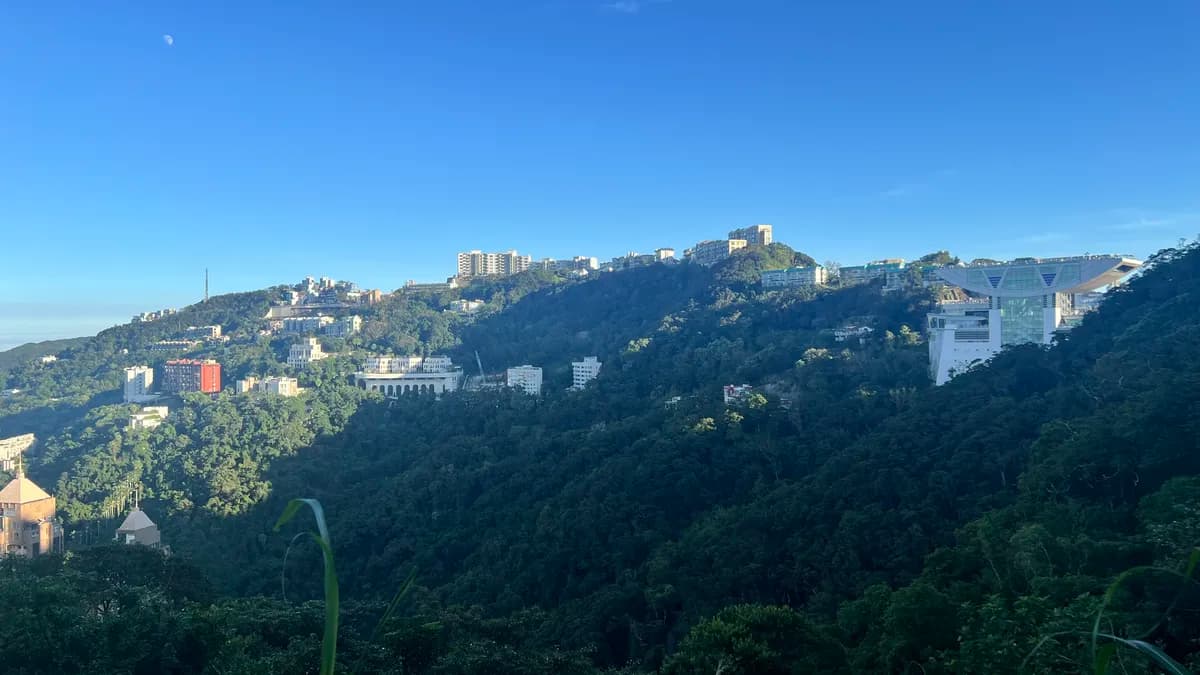
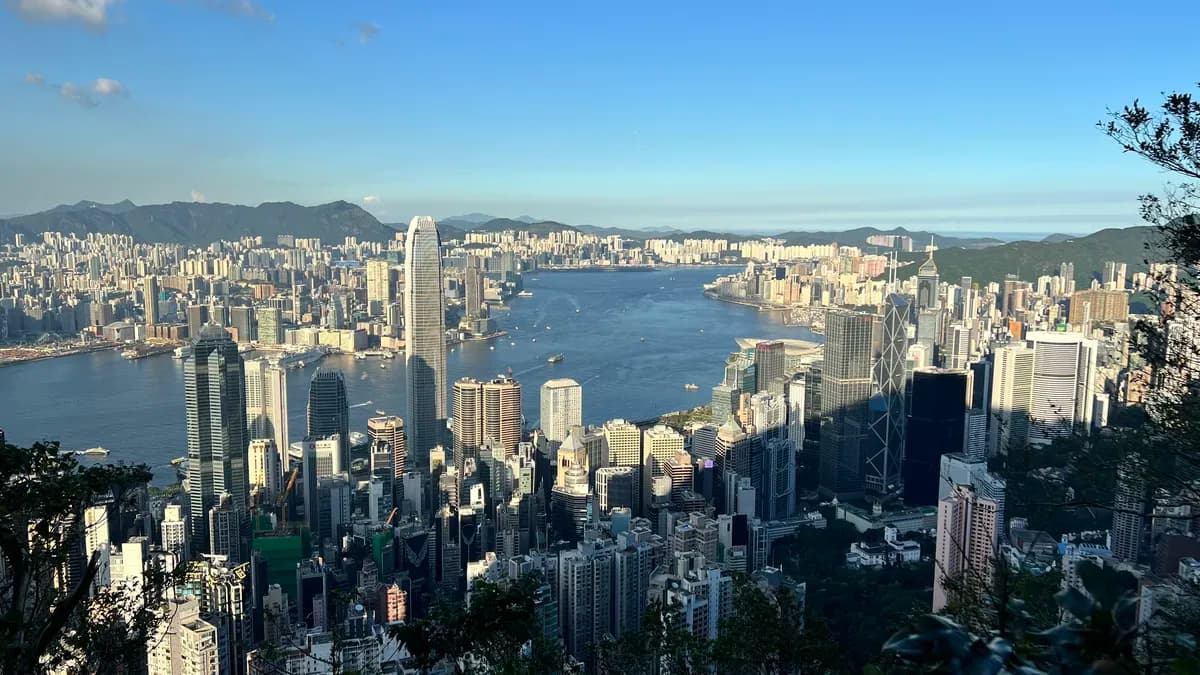
If you purchased the fast-track combo ticket, access to the Sky Terrace is included. The observation deck offers one of the most famous panoramic views of Hong Kong. Watching the city transition from sunset to a fully illuminated skyline is truly unforgettable, so it is definitely worth staying a little longer even after the sun goes down.
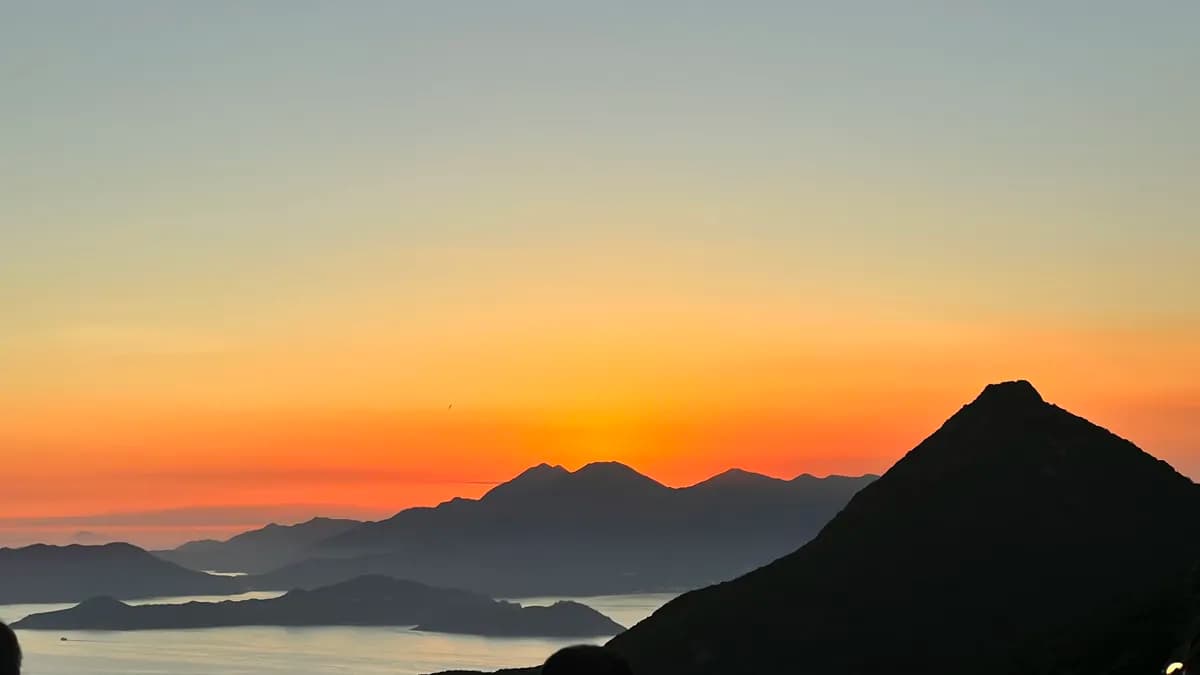
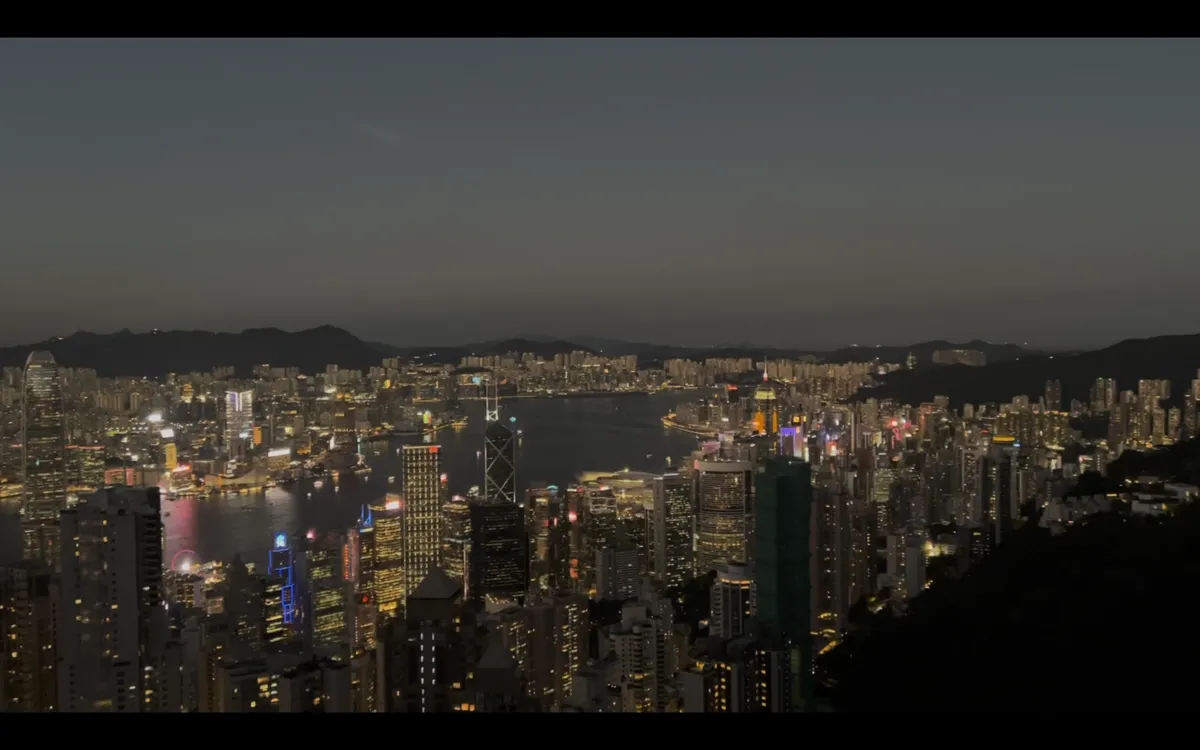
After coming down from Victoria Peak, spend some time exploring Hong Kong Island on foot. Walking through areas like Central and the Mid-Levels is one of the best ways to experience the city's unique character. The streets here are a fascinating mix of ultra-modern skyscrapers, historic buildings, hidden cafes, and narrow stairways connecting different elevations of the city. One of the most interesting things about Hong Kong Island is how vertical it feels, you will constantly move between streets, escalators, and elevated walkways. We spent some time simply wandering around the Mid-Levels area, which turned out to be one of the most memorable parts of the evening.
Day 4 - Macau Day Trip
Day 4 is a simple Macau day trip, and it works best as an early start. In this itinerary, I will briefly cover the overview, but for detailed information, I have covered the full route, transport tips, and more ideas for what to prioritize in my dedicated Macau Day Trip from Hong Kong: Complete Travel Guide.
Start your day by taking the first ferry from Hong Kong. Spend the morning exploring the historic Macau Peninsula, and enjoy the old-world streets, churches, and squares around Senado Square before the crowds build up. This part of the day is all about slowing down, wandering the heritage streets, and getting a feel for Macau's Portuguese influence.
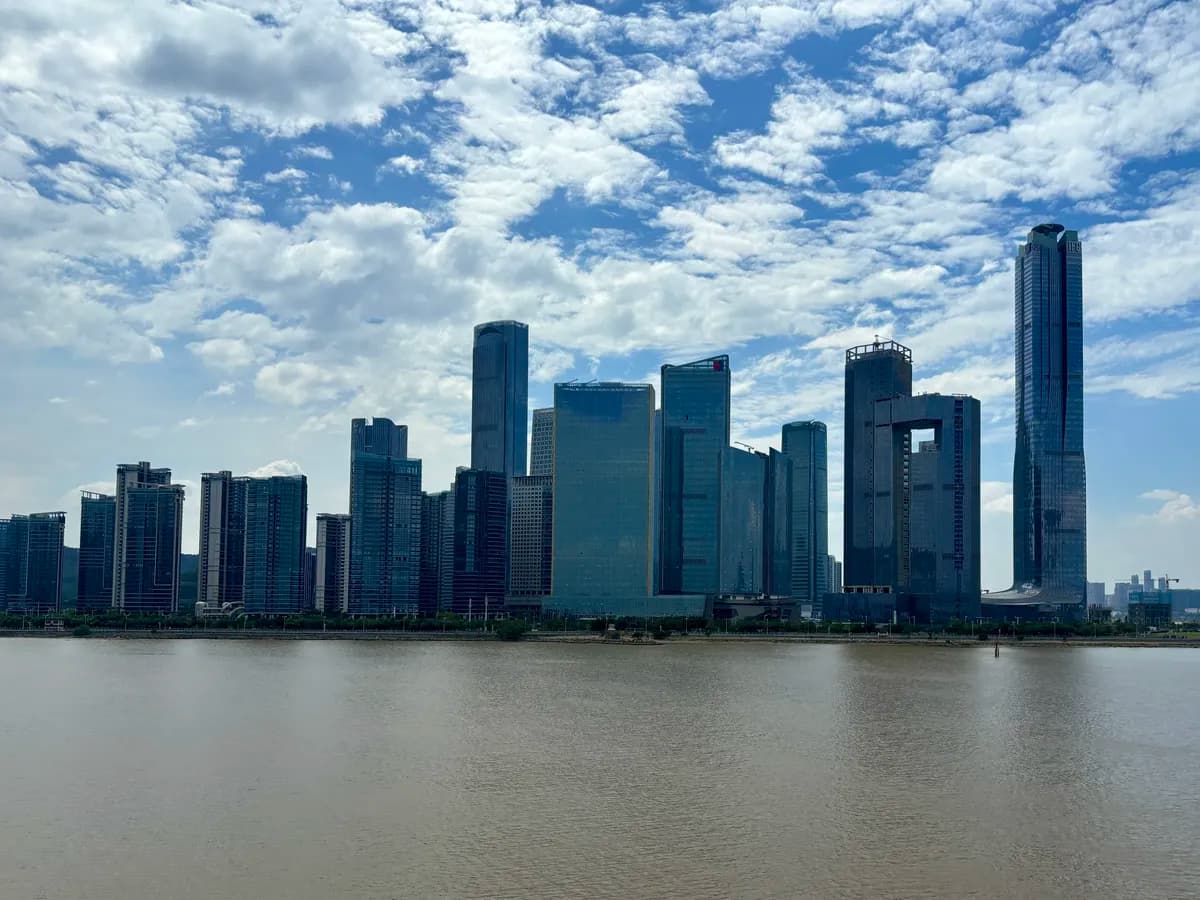
After lunch, shift gears and head toward Cotai for the more modern side of Macau. This is where you will find the grand resorts, indoor canals, luxury hotels, and the larger-scale entertainment areas that feel very different from the historic peninsula. The contrast is what makes the day so interesting: one half is about heritage and old streets, while the other is about spectacle, shopping, and a much more polished cityscape.
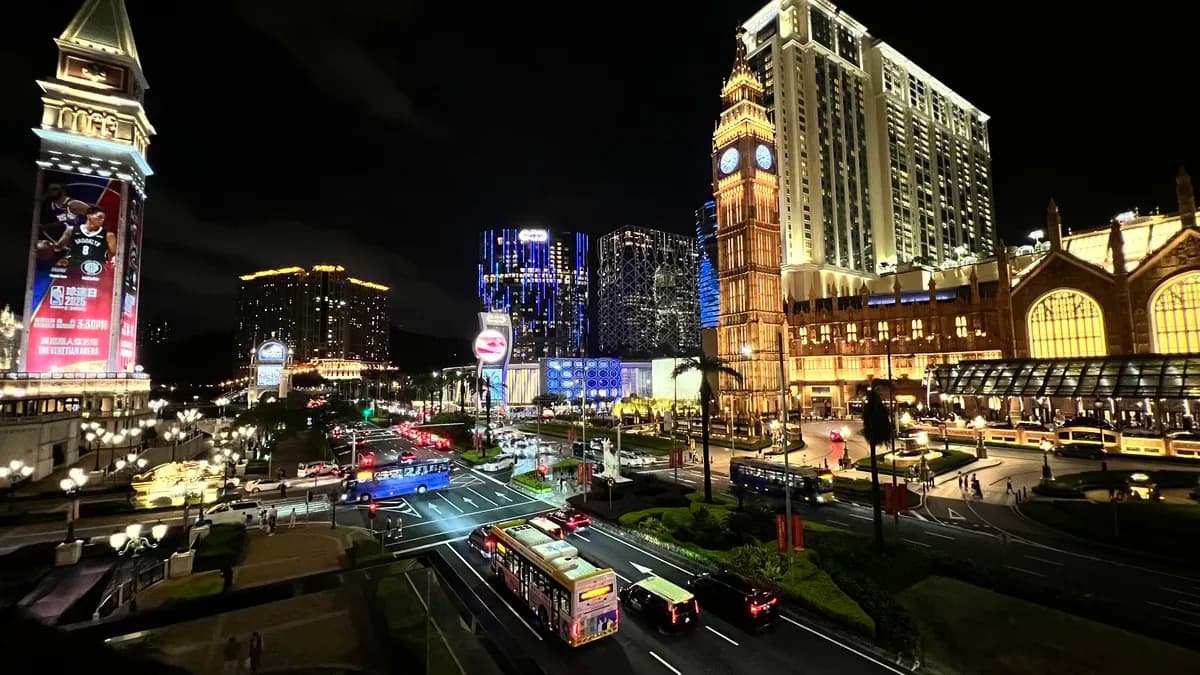
Try to reach the Taipa Ferry Terminal by around 11 PM to catch one of the last ferries back to Hong Kong. The return journey takes about an hour, and although public buses still run late at night, their frequency becomes lower. If you want to save time, taking a taxi back to your hotel is also a convenient option.
Day 5 - Kowloon Island & Other Attractions
Keep the final day of this itinerary relaxed and flexible. It works well as a buffer day for shopping, slow exploration, or visiting any attractions that you may have skipped earlier in the trip. If you stayed overnight in Macau, the first half of the day will likely be spent checking out and traveling back to Hong Kong. Alternatively, you can extend your stay in Macau and skip this day altogether.
Hong Kong is widely known as one of Asia's best shopping destinations. From luxury brands in modern malls to traditional street markets, the city offers a wide variety of shopping experiences. Areas such as Causeway Bay and Tsim Sha Tsui are famous for upscale malls and international brands, while Mong Kok is known for its lively street markets selling everything from clothing to souvenirs. If shopping is not your priority, you can also use this day to explore lesser-visited attractions such as museums, scenic beaches like Repulse Bay, or hiking trails like Dragon's Back.
One attraction you might come across while researching Hong Kong is the famous Monster Building. This densely packed residential complex became popular on social media because of its striking architecture and symmetrical courtyard views surrounded by towering apartment blocks. If you are interested in photography or urban architecture, it can be an interesting quick stop.
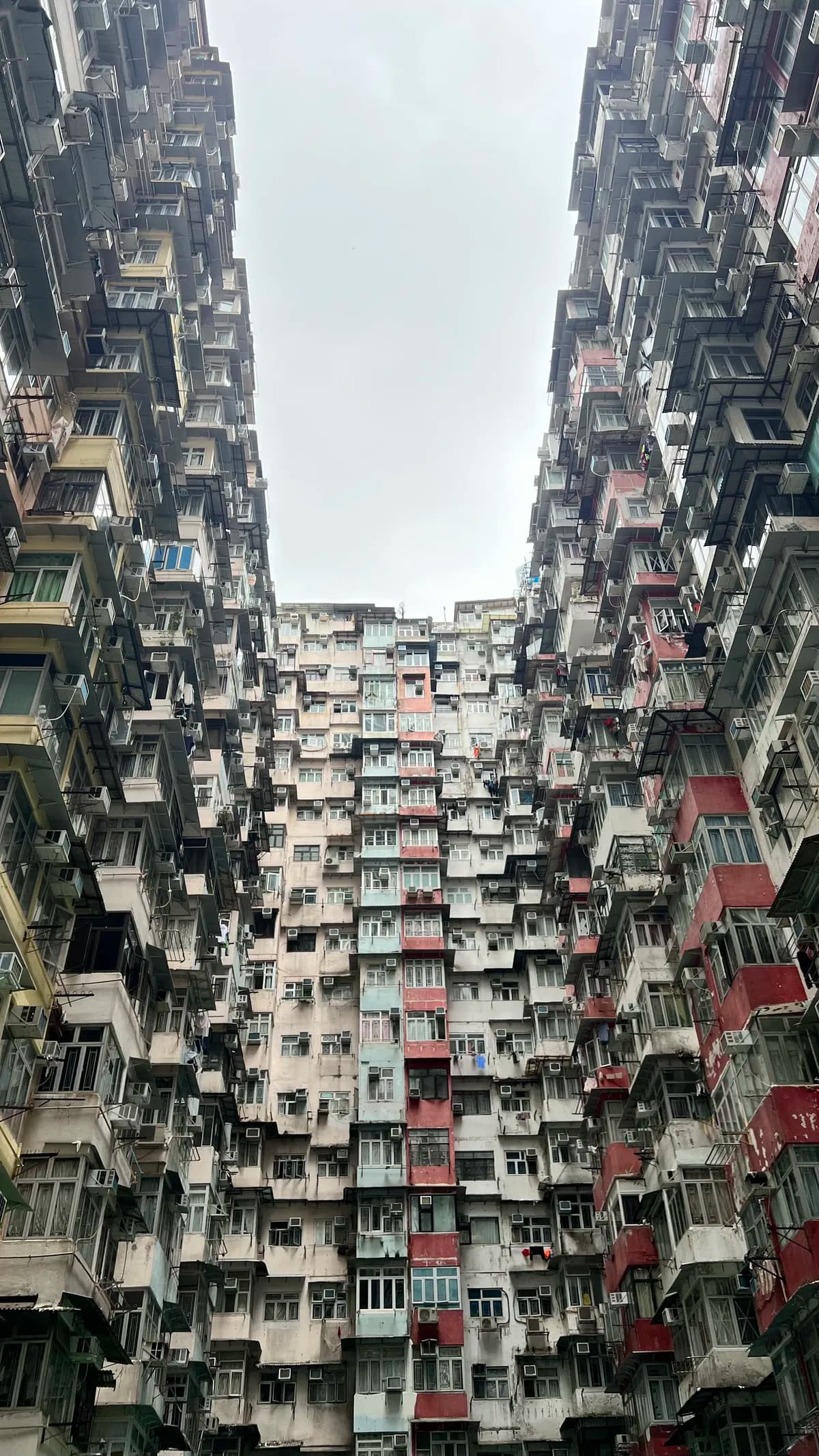
That said, if your time in Hong Kong is limited, it may not be the most rewarding attraction to prioritize. During this trip, we visited it briefly but personally did not find it as captivating as other experiences in the city. If you are short on time, you might prefer spending those hours exploring shopping areas like Causeway Bay or the Mong Kok markets instead.
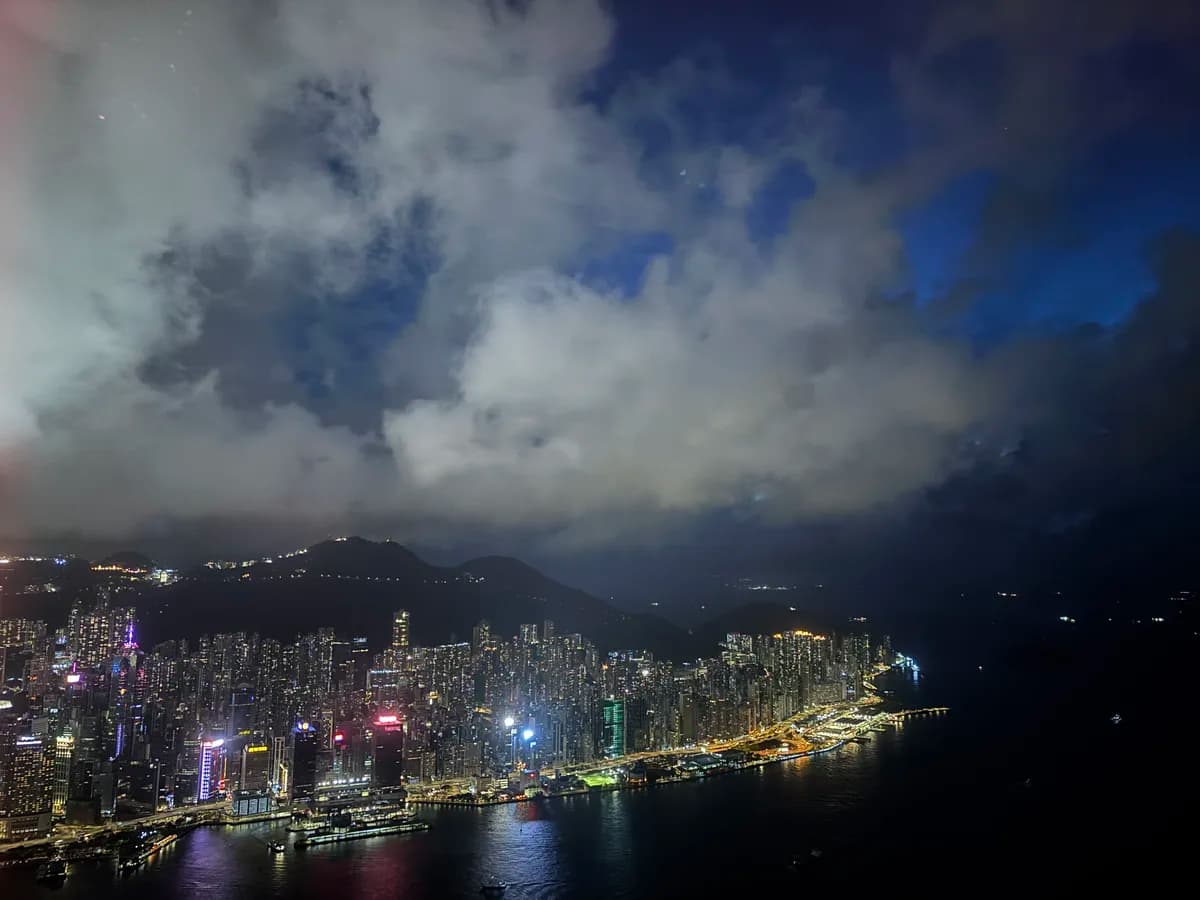
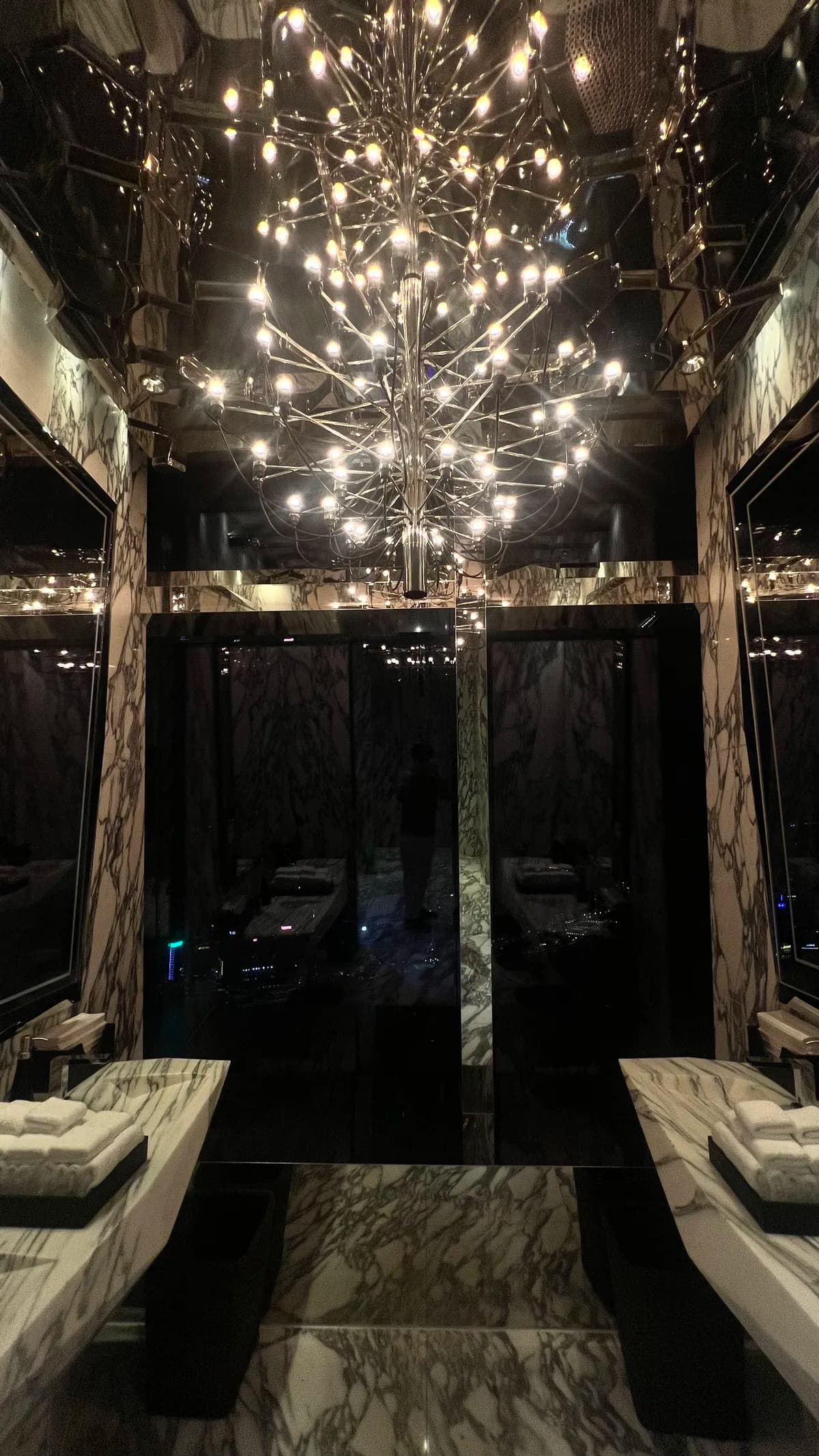
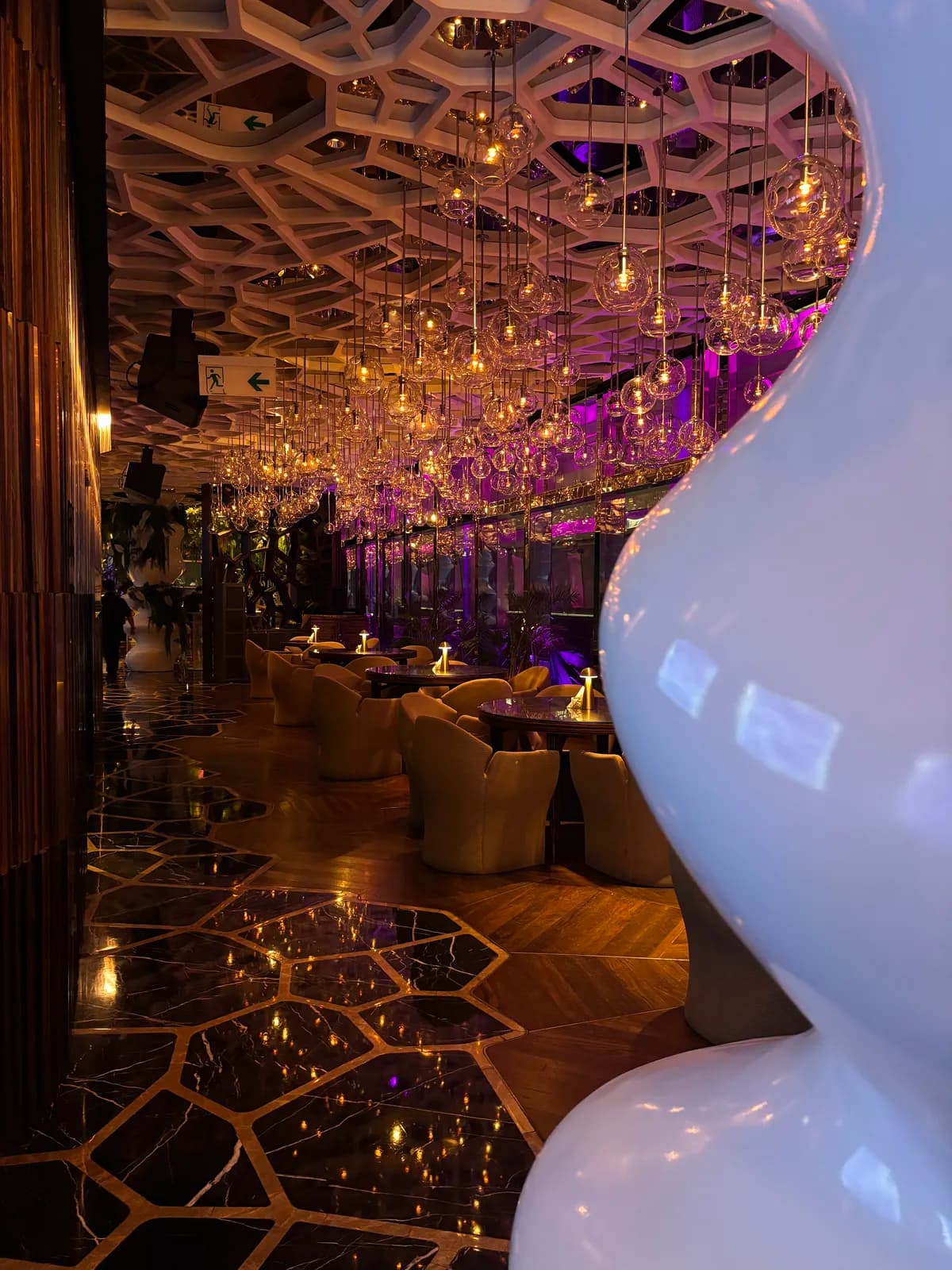
Toward the evening, consider ending your Hong Kong trip with a visit to Ozone, the rooftop bar located at The Ritz-Carlton in Kowloon. Situated on the 118th floor of the International Commerce Centre, Ozone is often described as one of the highest rooftop bars in the world. The panoramic views from here are incredible, offering a sweeping perspective of Victoria Harbour and the illuminated Hong Kong skyline.
Day 6 - Departure
After several exciting days exploring Hong Kong - from the scenic landscapes of Lantau Island and the magic of Hong Kong Disneyland to the stunning skyline views from Victoria Peak and the vibrant streets of Kowloon — it's time to wrap up the trip and head back home.
Depending on your flight schedule, you can keep the morning relaxed. Enjoy a leisurely breakfast at your hotel, take a short walk around the nearby neighborhood, or do some last-minute shopping if you are staying close to areas like Tsim Sha Tsui or Causeway Bay.
When heading to Hong Kong International Airport, plan to leave with sufficient buffer time, especially during peak travel hours. The airport is well connected to the city through the Airport Express train, buses, and taxis, making the journey fairly convenient from most parts of Hong Kong. For international departures, it is recommended to reach the airport at least 3 hours before your flight.
Appendix
Accommodation Details
Hong Kong has accommodation options for every type of traveler, ranging from ultra-luxury hotels with skyline views to compact budget stays in the city's busiest neighborhoods. Below are a few recommended options across different price ranges, along with the two hotels we personally stayed at during this trip.
Hotels We Stayed At
- Hong Kong SkyCity Marriott Hotel Official Website
Located right next to the airport on Lantau Island, this hotel is extremely convenient if you have an early morning arrival or departure. It also provides quick access to attractions like Ngong Ping and Disneyland. We stayed here for the first two nights of the trip, and the location made it very easy to start exploring Lantau Island immediately after landing. - Royal View Hotel Official Website
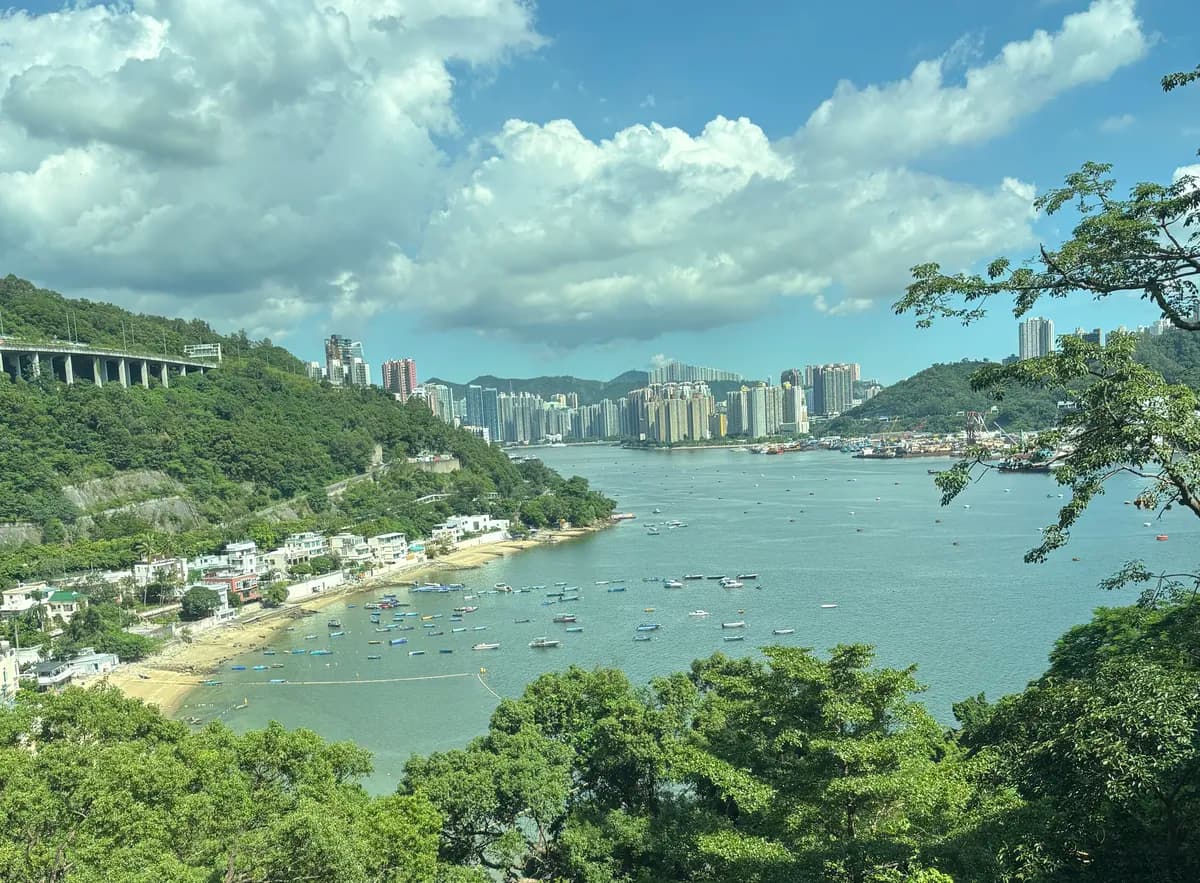
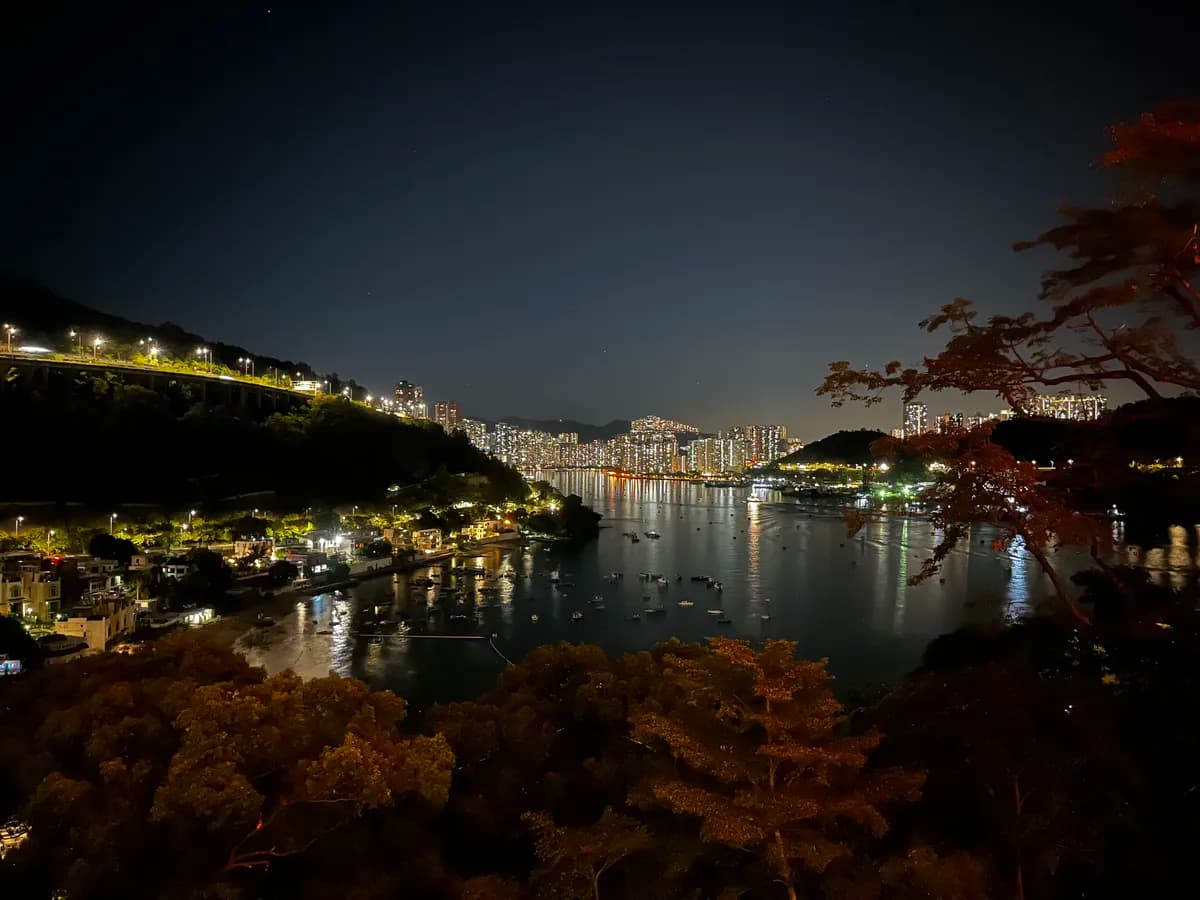
A comfortable mid-range hotel located in Tsuen Wan with sea views and good connectivity to both Kowloon and Hong Kong Island. We stayed here for the remainder of our trip and really enjoyed the views from the room, especially at night.
Luxury Hotels
- The Peninsula Hong Kong Official Website
One of the most iconic hotels in Hong Kong, famous for its historic heritage, harbour views, and legendary service. The hotel has even retained prestigious five-star ratings in global hospitality rankings. - The Ritz-Carlton Hong Kong Official Website
Located in the International Commerce Centre, this hotel occupies some of the highest floors in the city and offers spectacular views of Victoria Harbour along with the famous Ozone rooftop bar. - Rosewood Hong Kong Official Website
A modern ultra-luxury hotel in Tsim Sha Tsui known for its elegant design, harbourfront location, and world-class dining experiences.
Mid-Range Hotels
- Hotel ICON Official Website
A stylish design hotel in Kowloon known for its harbour views and excellent service. It has even received international four-star recognitions from global hospitality rating systems. - Eaton HK Official Website
A vibrant hotel in Kowloon popular among younger travelers for its creative design, great dining options, and proximity to famous markets. - Harbour Grand Kowloon Official Website
A comfortable harbourfront property offering spacious rooms and beautiful views of Victoria Harbour.
Budget Hotels
- Dorsett Mongkok Hong Kong Official Website
A well-rated 4-star city hotel located near Mong Kok markets and public transport, offering good value for travelers exploring Kowloon. - Mira Moon Hotel Official Website
A boutique hotel in Causeway Bay known for its unique design and compact but comfortable rooms. - Tuve Hotel Official Website
A minimalist boutique hotel popular among travelers who want a stylish stay in the Causeway Bay area.
Get in Touch
I'd love to hear from you whether it's to share your travel stories, ask for tips, or just say hello!