The Octopus Card is one of the simplest ways to make a Hong Kong trip feel smoother. It is not just a metro card; it works across public transport, convenience stores, some food outlets, and many small daily payments. If you are planning a first trip, get this sorted early because Hong Kong moves fast and tap-and-go payments save both time and mental energy.
This guide keeps things practical: what to buy, where to use it, how to top up, what mistakes to avoid, and when it is still worth carrying cash. If you are building a full trip, pair this with my Hong Kong and Macau 1-week itinerary.
Quick Summary: Octopus Card for Tourists
Everyday travel
Use it for MTR, buses, trams, ferries, and small purchases.
Start of trip
Sort it out early so your first travel day feels easier.
Keep cash ready
Cash reloads are widely available at stations and retailers.
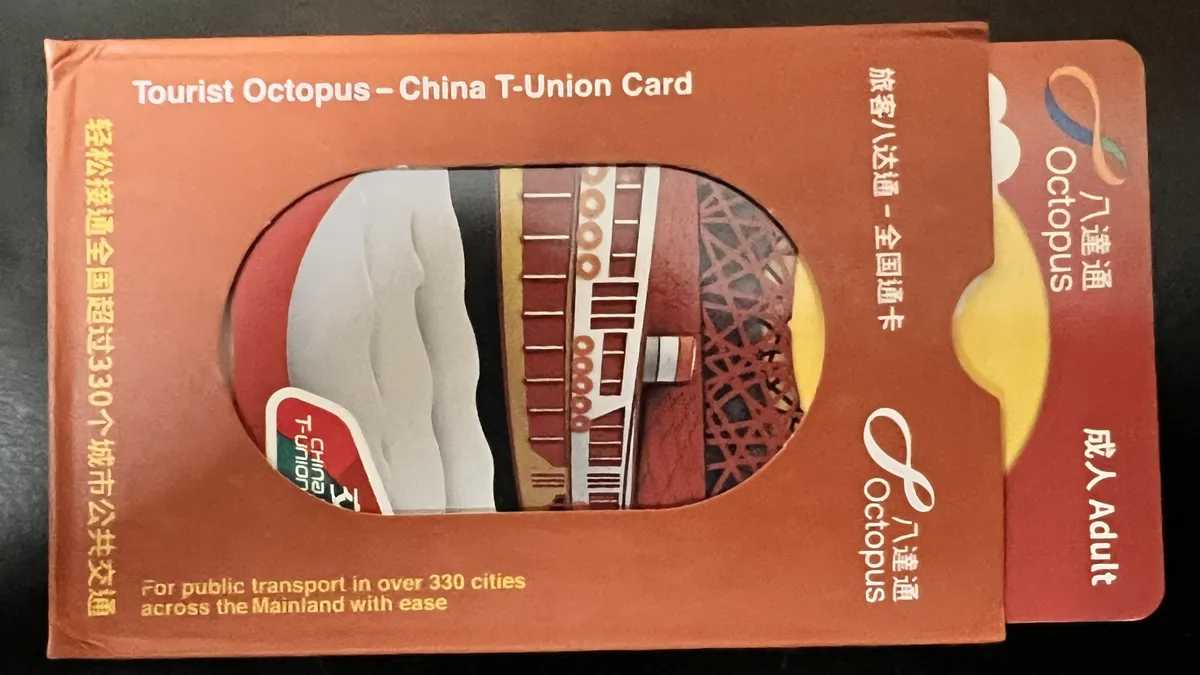
Table of Contents
What is the Octopus Card?
The Octopus Card is a rechargeable stored-value card used across Hong Kong. For tourists, the main use is transport: MTR, buses, trams, many ferries, and other local routes. The biggest advantage is convenience: instead of buying a ticket for each journey or finding exact change for buses, you tap your card and move on.
Think of it as a city convenience card. It will not replace every payment method, but it removes friction from the parts of the trip where you are constantly moving.
Should Tourists Get One?
It is most useful when your day includes more than one transport mode: MTR to Central, a tram ride, a ferry crossing, or a bus toward Lantau.
I would skip it only for a very short layover, an all-taxi trip, or a visit where every transfer is already pre-booked.
Where to Buy and Top Up
The easiest option is to get an Octopus setup at the start of your trip which will most likely be at the airport for most people. Depending on the product available when you travel, you may see a Tourist Octopus or a standard stored-value Octopus option. The Tourist Octopus car is priced at HK$39, with no initial stored value and no deposit, so you will need to add value before using it.
For top-ups, you can visit any 7-Eleven which you can find in every corner of Hong Kong and ask the cashier to reload the octopus card for you. They will reload it for you but make sure to keep some cash handy as they accept only cash for top-ups.
Sort it at the airport or an MTR station before your first full sightseeing day.
Add enough for the next day instead of waiting until the balance is almost empty.
Keep some HKD ready as only cash is accepted.
Tip: Even though credit card can be used for most places, carry a lot of HKD as it is the only currency which you can use to top up octopus card and shop at local Mong Kok markets.
How to Use It
Using the Octopus Card is straightforward. On the MTR, tap when entering and tap again when exiting; the correct fare is deducted automatically. On buses and trams, tap when boarding or at the fare reader. On ferries and retail payments, follow the reader at the gate or counter.
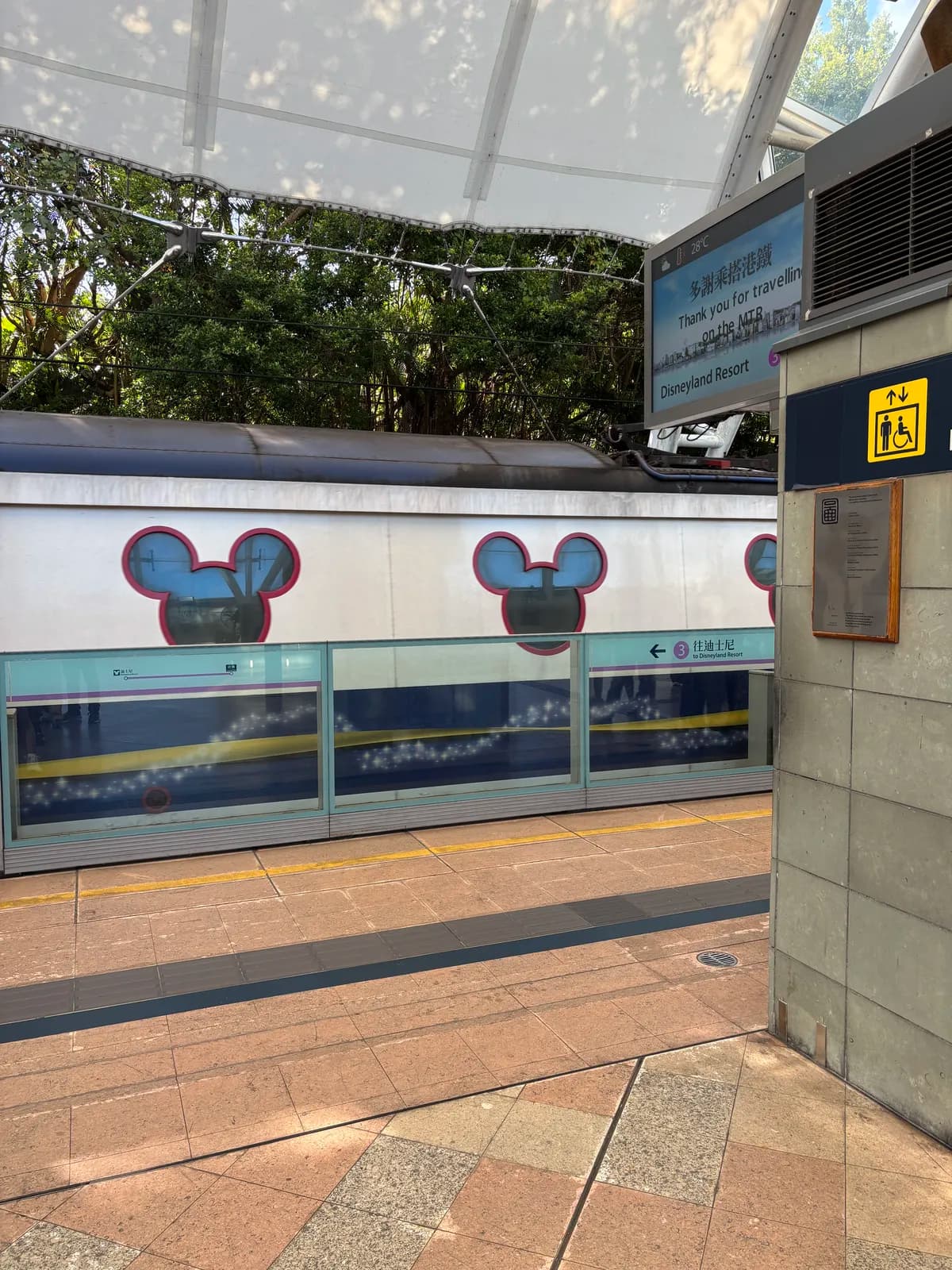
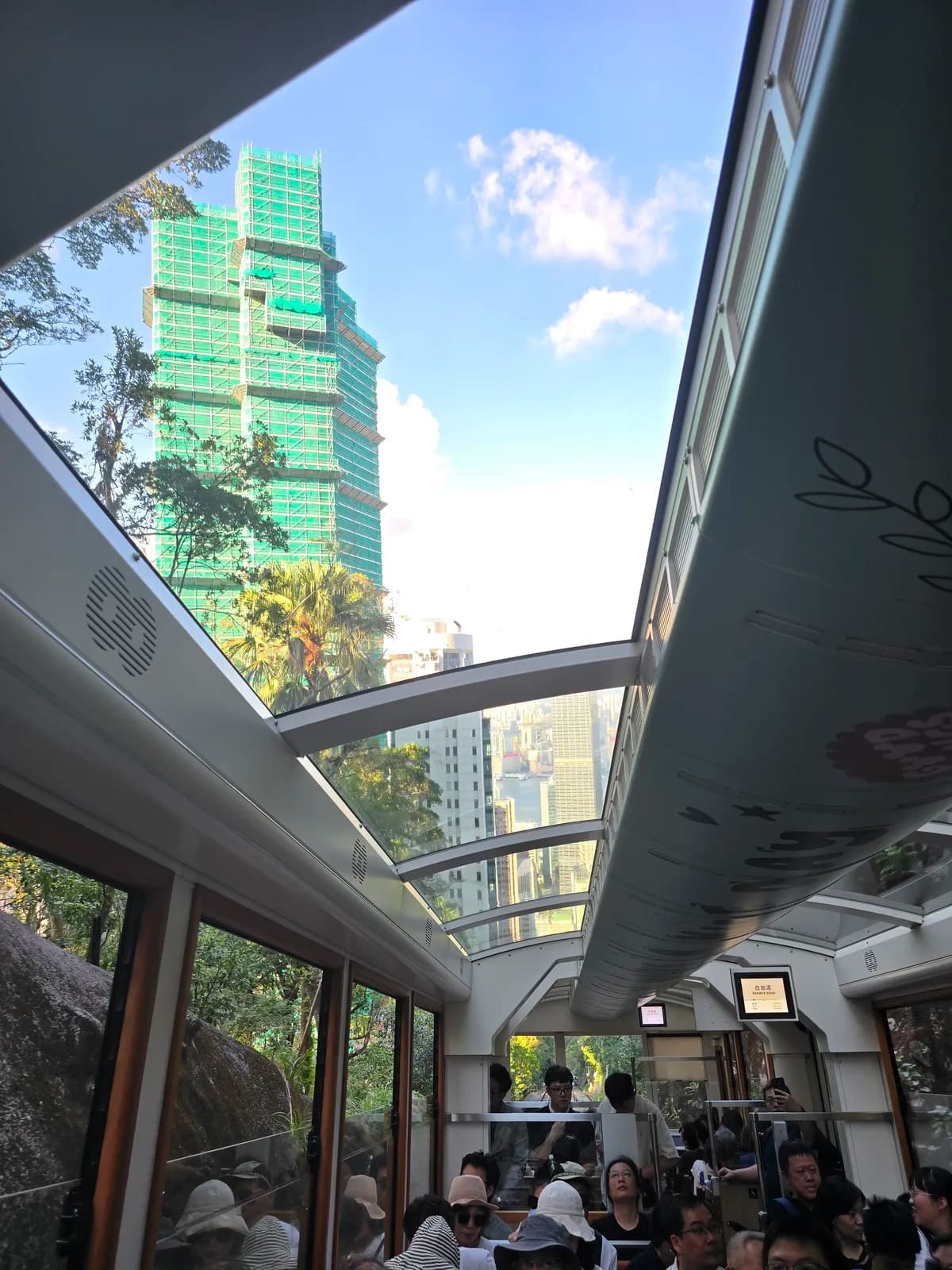
The only detail to remember is that transport rules can vary by mode. For the MTR, you usually tap in and tap out. For buses, trams, ferries, and small purchases, follow the card reader at the gate, vehicle entrance, or counter. Keep the card somewhere easy to reach because Hong Kong stations move quickly, and digging through a backpack at every gate gets old fast.
Tourist Octopus vs Standard Octopus
Tourists may come across different Octopus products, and the exact best choice depends on what is available when you arrive. If you want the easiest path, ask staff for the best option for a short visitor trip and confirm how stored value and refunds work before buying.
For the sold Tourist Octopus, the card cost itself is separate from stored value. I found that remaining value on a sold Octopus can be refunded, but the cost of the card is not refunded and the card can no longer be used afterward. If you like souvenirs, keeping the card is simple. If you care more about unused balance, ask about the refund process before you leave Hong Kong.
Good if you want a simple visitor-friendly option and do not mind that the card cost itself is not refunded.
Useful if that is what staff recommend when you arrive. Ask about deposit, stored value, and refund rules before buying.
Common Mistakes
Buying it too late: If you wait until day 2 or 3, you miss the main convenience benefit.
No cash backup: Cash is very important for top-ups.
Thinking it is only for trains: It is most useful on transport, but the small-purchase use is a real bonus.
Quick Tips
- Buy or set up Octopus before your first full sightseeing day.
- Keep it in a wallet pocket or pouch you can access quickly.
- Check the displayed balance when you pass through MTR gates.
- Top up before airport transfers, Lantau days, or late nights.
- Carry backup cash and one regular bank card as well.
The best Octopus strategy is boring in the best way: buy early, keep it topped up, and stop thinking about tickets.
FAQ
Yes, if you will use public transport regularly. It is especially useful for first-time visitors who want to move around Hong Kong without buying separate tickets all day.
Octopus can be used across many transport services, but always compare airport transfer options before deciding what works best for your route and budget.
Some electronic options exist, but tourists should not rely only on cards. Cash reloads are widely available and are the safest backup.
In normal transport use, each traveler should have their own card so everyone can tap through gates independently.
If you have meaningful unused balance, ask about refund options. If you like souvenirs, you may prefer to keep the card.
Final Thoughts
The Octopus Card is not complicated, but it is one of those small things that makes Hong Kong easier. It helps with the MTR, buses, trams, ferries, quick snacks, and those moments when you just want to move without buying another ticket. Get it early, keep some cash for top-ups, and use it as your everyday movement card. That is enough to make most Hong Kong itineraries feel smoother.
Get in Touch
I'd love to hear from you whether it's to share your travel stories, ask for tips, or just say hello!